Types of Italian Pesto: A Friendly Guide to Italy’s Most Versatile Sauce
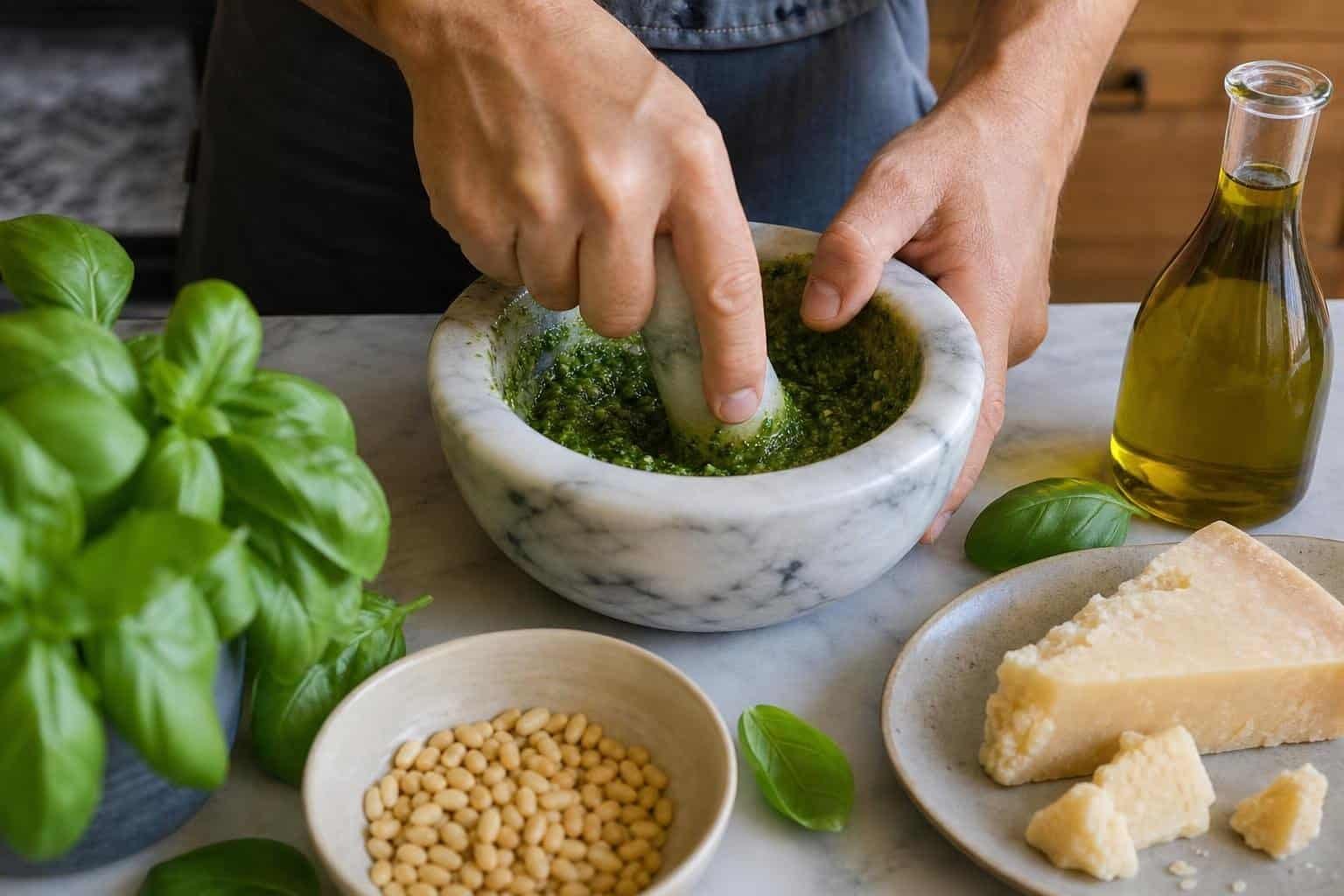
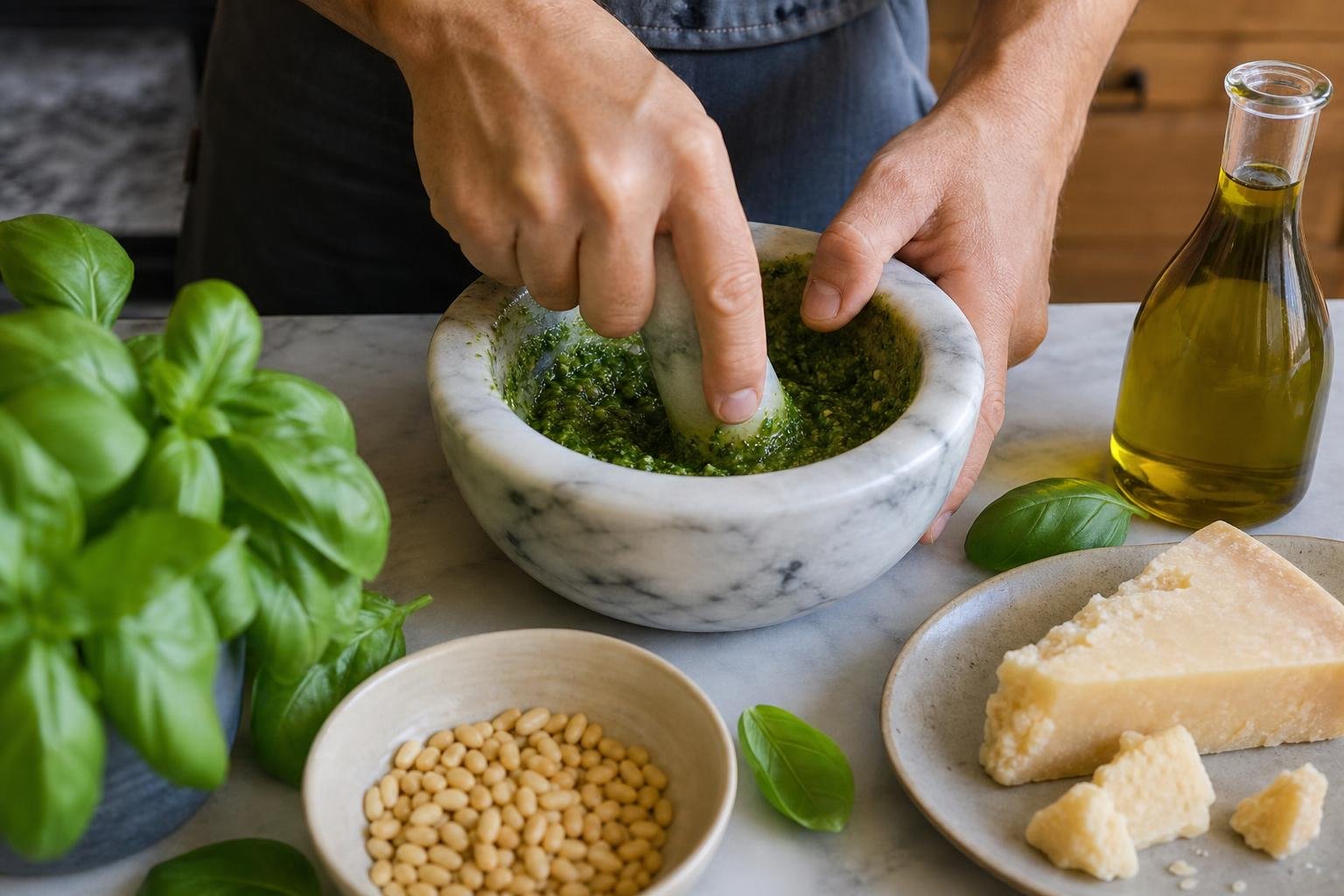
There are far more types of Italian pesto than most people realise — and once you start exploring beyond the classic green jar, Italian cuisine opens up in a whole new way. According to Wikipedia’s entry on pesto, the word itself comes from the Genoese verb pestâ, meaning “to pound” or “to crush” — which is exactly what makes pesto so flexible: almost any combination of herbs, nuts, cheese, and good extra virgin olive oil can become one.
Italy’s regional traditions have produced a wonderful variety of pestos, each rooted in the local landscape and produce. This guide walks you through the main ones — where they come from, what goes into them, and how best to enjoy them.
Pesto alla Genovese: The One That Started It All
If there is a gold standard in the world of pesto, it is pesto alla genovese. Wikipedia notes that the earliest printed recipe — titled Pesto d’Aglio e Basilico — appeared in Emanuele Rossi’s La Vera Cucineria Genovese in 1852, making it a sauce with documented roots going back over 170 years.
The traditional recipe is beautifully simple. It calls for just seven core ingredients:
-
Genovese basil (ideally DOP-certified, with small, concave, intensely aromatic leaves)
-
Pine nuts (European variety, sometimes lightly toasted)
-
Garlic (traditionally from Vessalico, Liguria, for its mild flavour)
-
Parmigiano Reggiano or Grana Padano
-
Pecorino Sardo or Pecorino Romano
-
Coarse sea salt
-
Extra virgin olive oil — preferably from Liguria (Taggiasco variety)
The combination of Parmigiano Reggiano and Pecorino is key: the Parmigiano adds nuttiness and depth, while the Pecorino brings a pleasant sharpness. The result is that instantly recognisable bright green, herb-forward sauce. The Palatifini Association is even preparing a proposal to have pesto alla genovese included in UNESCO’s intangible cultural heritage list — a sign of just how seriously Italians take it.
A good quality extra virgin olive oil makes a real difference here. A fruity, mild oil — like a well-made Tuscan extra virgin — lets the basil shine without overpowering it. You can read more about how olive oil affects everyday Italian dishes in this guide to using extra virgin olive oil in the kitchen.
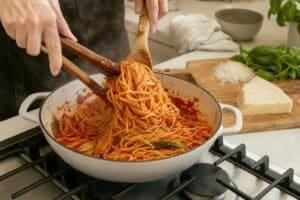
Classically, pesto genovese is paired with trofie or lasagne — and tossed, not cooked, since heat destroys the fresh herb flavour. A spoonful of pasta cooking water stirred in at the end makes the sauce beautifully creamy.
Italian Pesto: Types, Uses and How to Choose the Best One
If you look for some easy recipes maybe you will find an idea here: How to Use Pasquini Olive Oil in the Kitchen: 10 Simple Ideas for Everyday Meals
or here: Authentic Italian Meal with Mancini Pasta & Premium Ingredients
Regional Variations: How Italy’s Regions Put Their Own Spin on Pesto
Once Genovese sailors and traders began travelling along Italy’s coasts, they brought their beloved pesto recipe with them — and local cooks inevitably started adapting it to the ingredients they had at hand. The result is a whole family of regional pestos, each with its own personality.
Pesto alla Trapanese (Sicily)
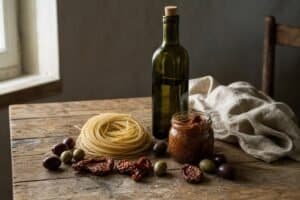
Pesto alla trapanese — sometimes called pesto rosso or agghiata trapanisa — originates from the port city of Trapani in western Sicily. According to Włoska Akademia Kulinarna, Genovese sailors stopping in Trapani brought the Ligurian recipe with them, which local cooks then transformed using regional produce: ripe fresh tomatoes, almonds (in place of pine nuts), Pecorino, red garlic, and a smaller amount of basil. The tomatoes give it a vivid red colour and a slightly sweet, sun-ripened flavour that clings beautifully to pasta. It is traditionally served with busiate, a corkscrew-shaped pasta from the same region.
Pesto alla Siciliana
Closely related to pesto alla trapanese, pesto alla siciliana uses sun-dried tomatoes for a more intense, concentrated flavour. Some versions include ricotta for creaminess, while others skip the cheese entirely. As La Cucina Italiana magazine points out, Sicilian pesto varies considerably by city, family, and seasonal ingredients — which is part of its charm.
Pesto al Pistacchio
Sicily is the only region in Italy that cultivates pistachios, with the most prized variety coming from Bronte, near Catania. Pistachio pesto — made with pistachios, olive oil, salt, and Grana Padano — has a rich, sweet, deeply savoury character that pairs beautifully with short pasta, fish, or bruschetta.
Pesto alla Calabrese
Pesto alla calabrese is a spicier, more robust take on the concept. It typically uses grilled or roasted bell peppers, ricotta, and chilli flakes — giving it a warm, smoky edge and a creamy, spreadable texture. It works as a pasta sauce and equally well as a dip or bruschetta topping.
Pesto Modenese
A real departure from the herb-based versions, pesto modenese comes from the Emilia-Romagna region. Its main fat is lardo — cured pure pork fat — combined with Parmigiano Reggiano, garlic, and rosemary. It is not a pasta sauce but a rich, creamy spread, traditionally served on regional flatbreads like tigelle or piadina.
Pesto di Rucola (Rocket Pesto)
Rocket pesto is one of the most versatile and quick-to-make variations in the Italian repertoire. Rocket’s naturally peppery, slightly bitter character creates a pesto with real presence — bolder than basil, but equally at home tossed with pasta, spread on crostini, or drizzled over grilled meat and fish. It pairs especially well with strong cheeses and hearty pasta shapes like bucatini.
What Makes a Great Pesto? Ingredients That Matter
Across all these regional variations, a handful of principles hold true. The quality of your starting ingredients shapes the final result more than technique does.
-
Extra virgin olive oil: Use a good one — this is the backbone of any pesto. A mild, fruity olio extra virgin lets the other ingredients speak. Avoid heavily peppery or bitter oils for delicate herb pestos.
-
Parmigiano Reggiano: Freshly grated, not pre-packaged. Its nutty, complex flavour is what gives pesto its depth.
-
Pecorino Romano: Adds a savoury sharpness and a subtle tang that balances the richness of the oil and cheese.
-
Fresh herbs or greens: Italian basil, rocket, or whatever the recipe calls for — freshness makes all the difference.
-
Nuts: Pine nuts for Genovese, almonds for Trapanese, pistachios for Sicilian pistachio pesto. Each brings a different texture and flavour.
One worth noting: supermarket pestos sometimes replace extra virgin olive oil with cheaper vegetable oils and add fillers like potato flakes — which can significantly change both flavour and quality. When the pesto matters, the ingredients matter.
For a deeper look at how olive oil affects flavour in Italian cooking, this guide on Tuscan extra virgin olive oil is worth a read.
Two Pestos Worth Trying: Basil and Rocket
Whether you’re a devoted fan of the Genovese classic or curious about bolder alternatives, having a good ready-made pesto on hand makes weeknight cooking genuinely enjoyable. The key is finding one made with real Italian ingredients — proper basil, quality oil, and aged cheese.
These two are a great place to start:

Which Pesto Should You Choose?
The short answer: it depends on the dish — and your mood. If you want the most classic, herb-forward experience, pesto alla genovese with good Italian basil, Parmigiano Reggiano, and extra virgin olive oil is hard to beat. Toss it with trofie or linguine, add a splash of pasta water, and you are done.
If you want something with more character — a sauce that stands up to stronger pasta shapes, grilled fish, or bruschetta — rocket pesto is a genuinely exciting option. The peppery notes of Italian rocket create a sauce that feels both fresh and bold at the same time.
For those drawn to southern Italian flavours, pesto alla trapanese or a pistachio pesto from Sicily will open up a different side of la cucina italiana entirely — one shaped by sun, volcanic soil, and centuries of Mediterranean cooking tradition. As explored in detail at Smakiem po Mapie’s guide to pesto varieties, each regional version tells a story about the place it comes from.
Whichever type of Italian pesto you choose, the biggest upgrade you can make is simply using better ingredients — especially the oil and the cheese. Those two details, more than anything else, are what separate a pesto that tastes good from one you actually want to talk about.
FAQ
Q: What is the difference between pesto alla genovese and pesto rosso?
A: Pesto alla genovese is a herb-based green sauce made with fresh basil, pine nuts, Parmigiano Reggiano, Pecorino, garlic, and extra virgin olive oil. Pesto rosso (red pesto) is typically made with sun-dried tomatoes and almonds, and originates from Sicily — the tomatoes give it a deeper, richer, and slightly sweeter flavour profile.
Q: Can I use pesto with pasta shapes other than trofie?
A: Absolutely. While trofie is the traditional Ligurian pairing for pesto genovese, pesto works well with linguine, spaghetti, fusilli, and even hearty shapes like bucatini. The key is to toss rather than cook the pesto, and add a spoonful of pasta water to loosen it into a creamy sauce.
Q: What makes Italian basil pesto different from supermarket versions?
A: Traditional Italian pesto uses extra virgin olive oil, Parmigiano Reggiano, Pecorino, and fresh basil — whereas many supermarket versions replace the olive oil with cheaper vegetable oils and add fillers like potato flakes. The flavour difference is noticeable: artisan pestos made with quality Italian ingredients tend to be more aromatic, balanced, and genuinely fresh-tasting.