Jams, Confits & Marmalades: Your Complete Guide to Jams and Fruit Preserves
Jams and fruit preserves are one of the simplest and most rewarding things you can make at home — a way to lock the flavour of peak-season fruit into a jar and enjoy it for months. Whether you’re drawn to a deep pumpkin confit spiced with cinnamon, a golden pear jam, or a tangy blood orange marmalade, understanding the basics helps you get consistent results. The Food Safety Authority of Ireland provides a clear overview of how these categories are legally defined across Europe.
Jam, Confit, Marmalade — What’s the Real Difference?
The names on the label mean more than most people realise. Each category has a distinct texture, preparation method, and — in the EU — a legal minimum fruit content.
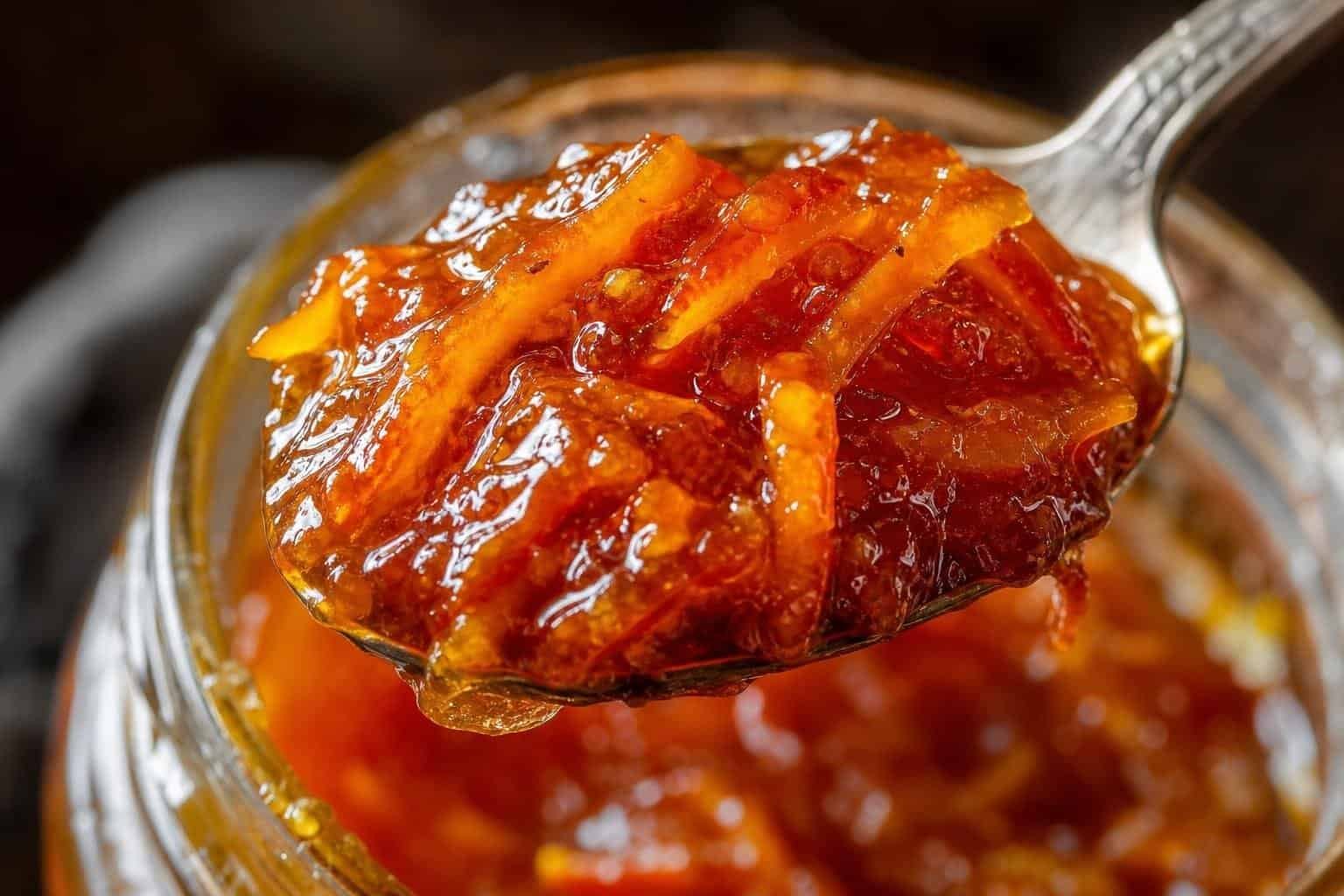
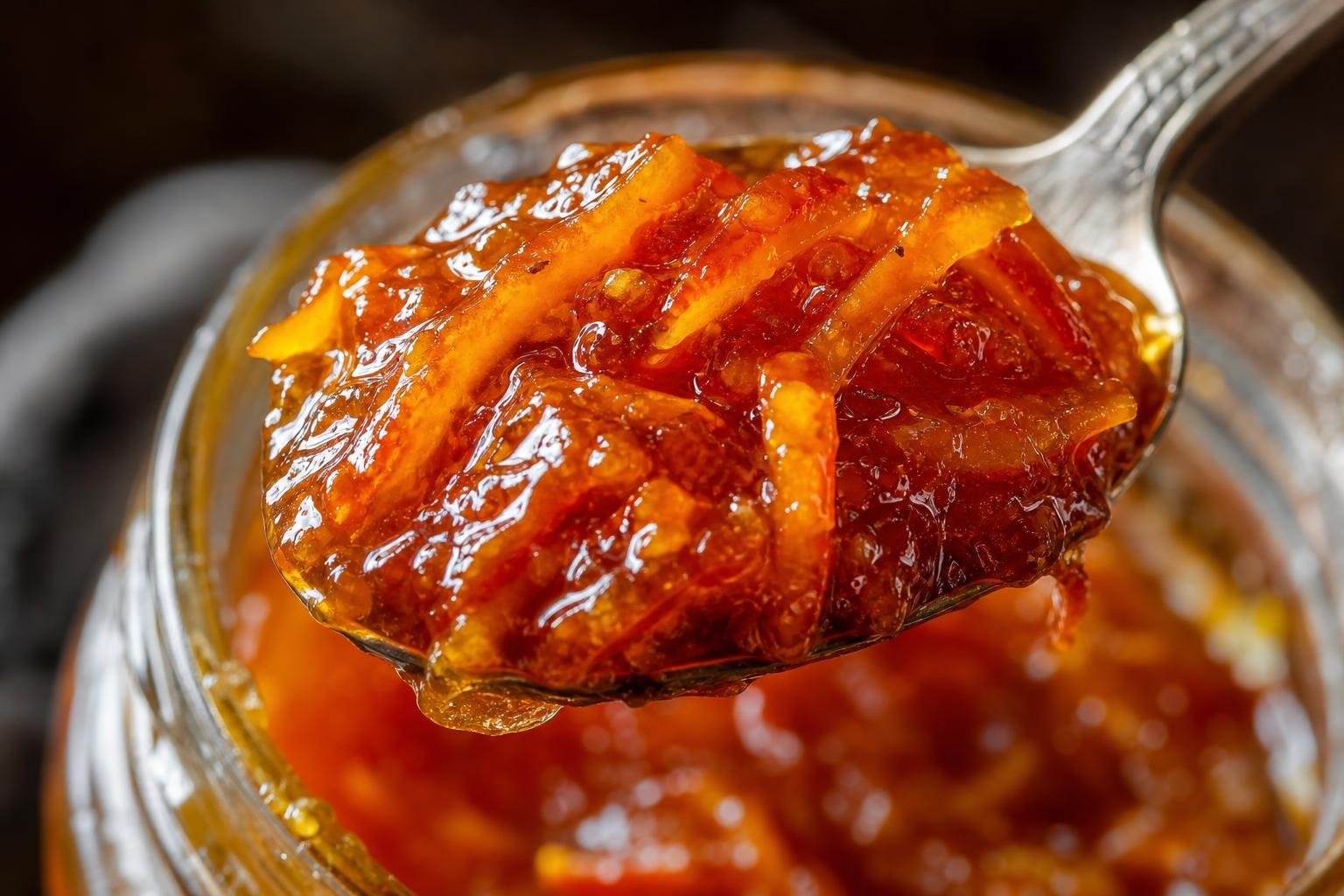
Jam is made from crushed or puréed fruit cooked down with sugar until it thickens. Preserves (or confits) go a step further, keeping larger pieces — or even whole fruit — suspended in syrup, giving you distinct bites of fruit rather than a smooth spread. Marmalade is citrus-based: the peel goes in too, which is what gives it that signature bittersweet edge.
Here’s a quick breakdown:
-
Jam — crushed or puréed fruit, smooth-ish, spreadable
-
Confit / preserves — whole fruit or large pieces suspended in their own syrup
-
Jelly — made from strained fruit juice only, fully clear and firmly set
-
Marmalade — citrus fruit including peel, sweet with a bitter note
-
Extra jam — higher fruit content, finer fruit (unconcentrated pulp only), no artificial gelling agents
The distinction between jam and confit comes down to how much of the fruit’s original structure survives cooking. A classic apple or pear confit, for example, holds tender chunks that melt on the tongue rather than blending into a uniform paste.
EU Fruit Content Rules — and Why They Matter
If you buy jarred preserves regularly, it’s worth knowing what’s changed on the regulatory side. EUR-Lex summarises the updated EU framework: under Directive 2024/1438, the minimum fruit content in standard jams rose from 350 g to 450 g per kg of finished product, while “extra jam” must now contain at least 500 g of fruit per kg — up from 450 g.
The aim is straightforward: more fruit means less added sugar needed to hit the required 60% soluble dry matter. In practice, that tends to result in a more intensely flavoured spread with a cleaner finish.
Two categories that often confuse shoppers:
-
Standard jam — minimum 450 g of fruit per kg (new threshold from June 2026)
-
Extra jam — minimum 500 g of fruit per kg; only unconcentrated pulp; no artificial gelling agents
There is one notable exception: fruits with naturally lower water content or higher pectin — including quince, sea-buckthorn, and blackcurrant — are allowed lower minimums under the directive. That’s worth keeping in mind when you’re shopping for quince preserves or blackcurrant jam and comparing labels.
For low-sugar versions, EU rules require that a “reduced sugar” claim only applies when sugar is reduced by at least 30% compared to a comparable product — so those labels carry real weight.
Seasonal Fruits Worth Preserving — From Pumpkin to Pear
Part of the appeal of making (or buying) preserves is working with the seasons. Each fruit brings its own character to the jar, and some combinations are genuinely surprising.
Autumn and winter favourites
Pumpkin confit is a great starting point for autumn. Smaller culinary varieties — hokkaido, butternut, sugar pumpkin — deliver more flavour and sweetness than large carving pumpkins. One practical tip: pumpkin is a low-acid vegetable, so adding citrus juice (orange or lemon) during cooking serves double duty — it lifts the flavour and helps the preserve set safely. Spices like cinnamon, ginger, vanilla, or cardamom work well here; add them gently and taste as you go, since their intensity deepens as the jar rests.
Quince preserves are a revelation if you’ve never tried them. Raw quince is astringent and hard, but long, slow cooking transforms it into a deep rose-amber jelly or chunky confit with a floral, slightly honeyed flavour that pairs beautifully with aged cheeses. Quince is naturally high in pectin, which means it sets easily without added gelling agents.
Pear and apple jams are gentler — mellow, sweet, and endlessly versatile. They work as a base for more complex flavours (vanilla bean, star anise, lemon zest) or simply on their own.
Citrus season
Blood oranges, Seville oranges, and mandarins are best in winter to early spring — exactly when there’s less fresh fruit around. Their high pectin content in the peel makes them ideal for marmalade. If you enjoy exploring less familiar preserves, the guide to prickly pear confit kitchen uses is a great read — ten creative ideas that show just how versatile fruit confits can be beyond toast.
Three Preserves Worth Having in Your Pantry
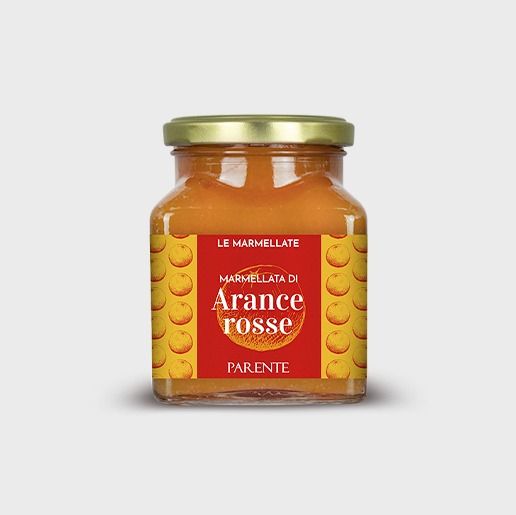
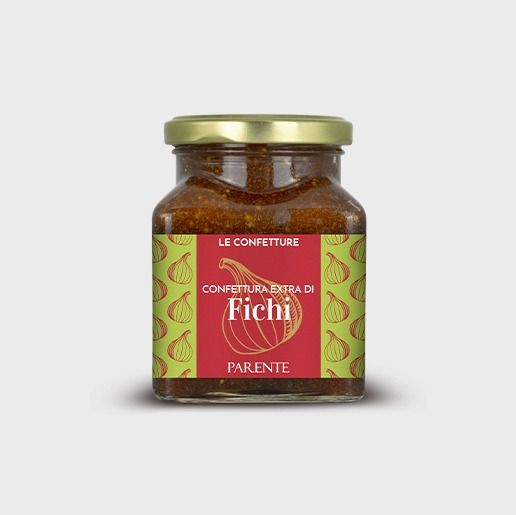
When making preserves from scratch isn’t an option — or when you want a benchmark for quality — artisan-style jars from smaller producers are a solid choice. These three from Parente cover a nice range: one bittersweet citrus marmalade, one intensely fruity fig jam, and one classic blood orange for everyday use.

Getting the Most from Your Jams and Preserves
A good fruit preserve deserves to be used well — not just spread on toast (though that’s always a fine idea). Here’s where they genuinely shine in the kitchen:
-
Cheese boards — chunky pear, fig, or pumpkin confit alongside aged hard cheeses is a classic pairing; the sweetness balances the salt and funk
-
Meat glazes — thinned slightly with a little warm water, marmalade or pear jam makes a quick glaze for roast pork, duck, or chicken
-
Pastry fillings — thick preserves work beautifully inside croissants, thumbprint biscuits, or tart cases
-
Yogurt and porridge — a spoonful of extra jam stirred through plain yogurt is an easy upgrade to breakfast
-
Dressings and marinades — a small amount of citrus marmalade whisked into a vinaigrette adds depth and a hint of sweetness
For home canning, always use sterilised jars (clean jars in a 140°C oven for 20 minutes works well) and fill while hot. High-sugar preserves don’t always need a water-bath process, but local food safety guidelines vary — it’s worth checking the official advice for your country before long-term room-temperature storage.
Under EU Directive 2024/1438 — summarised on EUR-Lex — producers have until June 2026 to comply with the updated composition rules. That means labels may still reflect the old fruit content standards for a short window, so reading the nutritional panel alongside the category name is a useful habit when comparing jars.
Whether you reach for a shop-bought jar or spend an afternoon at the stove, jams and fruit preserves reward curiosity. Trying a quince confit, a blood orange marmalade, or an autumnal pumpkin spread with spices is a low-effort way to bring something genuinely interesting to the table.
Frequently Asked Questions
Q: What is the difference between a jam and a confit (preserve)?
A: Jam is made from crushed or puréed fruit cooked to a smooth, spreadable consistency; a confit (or preserve) keeps larger fruit pieces — sometimes whole fruit — suspended in syrup, giving it a chunkier texture and more pronounced fruit character.
Q: Can I use any pumpkin variety for pumpkin jam?
A: Smaller culinary varieties like hokkaido, butternut, or sugar pumpkin work best and give a richer flavour; large carving pumpkins tend to be watery and bland by comparison. Adding citrus juice helps the preserve set, since pumpkin is naturally low in both acid and pectin.
Q: What does “extra jam” mean on the label?
A: Under EU rules, “extra jam” must contain a minimum of 500 g of fruit per kg of finished product (up from 450 g under the 2024 directive), use only unconcentrated fruit pulp, and contain no artificial gelling agents — making it the highest-fruit, least-processed category of the main jar spreads.