Mancini Spaghetti – Artisan Italian Pasta with Authentic Flavour
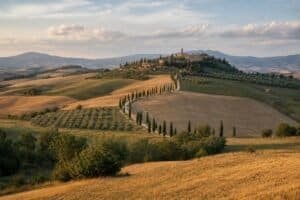
When it comes to Mancini artisan Italian pasta, the story starts not in a factory, but in the wheat fields of Mancini Pastificio Agricolo in Le Marche, central Italy. Understanding what sets this pasta apart helps you make more informed choices in the kitchen — and appreciate every forkful a little more.
From Wheat Field to Plate: The Mancini Story
Mancini Pastificio Agricolo was founded in 2010 by Massimo Mancini, grandson of Mariano Mancini who began growing wheat in 1938. The family tradition runs deep — and so does its commitment to quality.
What makes Mancini genuinely different is full control over the entire process. The pasta is produced exclusively from durum wheat grown and harvested on the family’s own fields in Le Marche. No purchased grain, no anonymous suppliers — just wheat from one specific, well-tended region.
Le Marche turns out to be ideal terrain for durum wheat: rich clay soil and the ventilation between the mountains and the Adriatic Sea create clean, favourable growing conditions. Each year’s harvest naturally varies, so every batch of pasta is, in a sense, a seasonal product — much like wine from a good vineyard.
What Is Durum Wheat Semolina — and Why Does It Matter?
Durum wheat (Triticum durum) is a hard variety of wheat with a higher gluten content and a naturally yellow endosperm. When milled into semolina, it produces a coarse, golden flour that forms the backbone of traditional Italian dry pasta.
The deep yellow colour of quality durum pasta comes from natural carotenoids — especially lutein — present in the grain. As explained in a guide to recognising durum wheat pasta quality, an uneven or pale colour can indicate the use of cheaper flours blended into the mix.
Mancini pasta contains just two ingredients: durum wheat semolina and water. That simplicity is intentional — it lets the quality of the raw material speak for itself.
- High gluten content — gives the pasta structure and helps it hold its shape during cooking
- Natural yellow colour — a visual sign of genuine semolina with no artificial dyes
- Good protein and fibre content — naturally present in durum wheat
- Al dente texture — durum semolina pasta firms well under heat, making it easy to cook to the ideal bite
Bronze Dies and Slow Drying: The Craft Behind the Texture
Two production choices define the texture and quality of Mancini spaghetti more than anything else: bronze dies and slow, low-temperature drying.
Bronze dies — the moulds through which pasta dough is pressed — give the strands a rough, porous surface. In contrast, industrial Teflon dies produce a smooth, shiny pasta. That roughness matters: it helps sauces cling to the pasta rather than sliding off. This method is known in Italian as trafilato al bronzo, and it is one of the markers of artisan production, as noted in an expert overview of Italian pasta traditions.
After shaping, the pasta is dried slowly — at temperatures between 36°C and 46°C for around 36 hours. This gentle process protects the natural flavour and nutritional integrity of the semolina, which high-temperature industrial drying would otherwise diminish.
- Bronze dies — rough, porous surface that holds sauce well
- Low-temperature drying — preserves flavour and texture over 36 hours
- Estate wheat, milled fresh — the grain is ground several times a week for fresh semolina
- Harvest year on the pack — full transparency, like a vintage on a wine label
Mancini Spaghettini – A Finer Take on a Classic Shape
Spaghettini is the slimmer sibling of spaghetti — slightly thinner, quicker to cook, and wonderfully versatile. It pairs well with lighter, more delicate sauces: a simple olive oil and garlic aglio e olio, fresh tomato, seafood, or even a drizzle of quality extra virgin olive oil to finish.
If you enjoy cooking Italian dishes at home, pairing Mancini spaghettini with a well-chosen olive oil can make a real difference — a good starting point is learning what to look for in an extra virgin olive oil before buying.
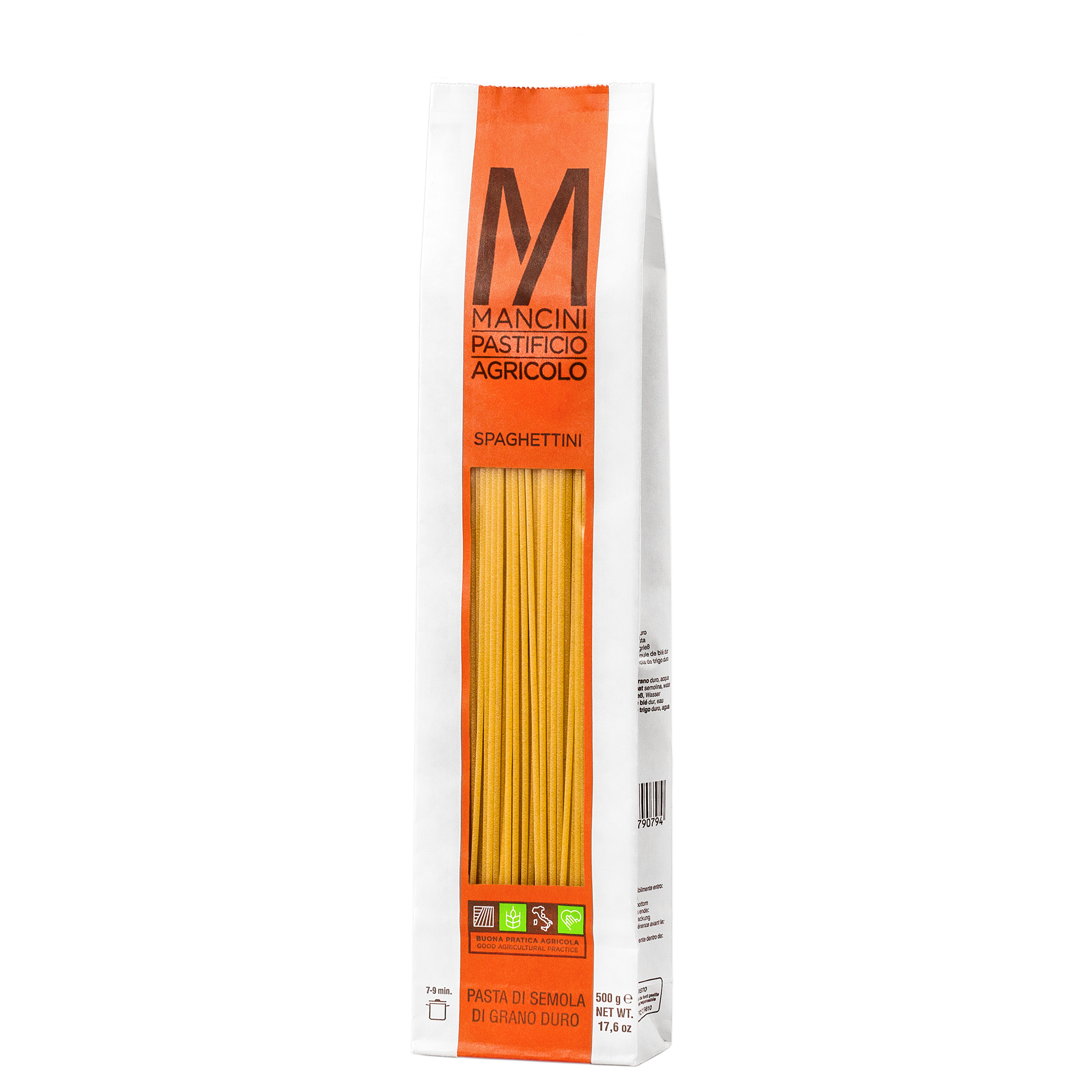
Mancini Spaghettini comes in a 500g pack — a practical size for two to four servings, ideal for weeknight dinners or when you want to cook something genuinely Italian with minimal effort.
Why Choose Artisan Italian Pasta?
Not all pasta is the same — and once you understand the differences, it is hard to go back. Mancini spaghetti is a clear example of what happens when a producer controls every step: field, mill, die, drying room, and pack.
Five of Italy’s eleven three-Michelin-star restaurants use Mancini pasta — not because of commercial contracts, but by genuine preference. That kind of endorsement says something about consistency and flavour that marketing alone cannot replicate.
For anyone curious about authentic Italian cooking, starting with a quality durum wheat spaghetti from Italy is a straightforward first step — and Mancini makes that step easy to take.