Pasquini Extra Virgin Olive Oil: Why This Italian Olive Oil Belongs in Your Kitchen
Not all olive oils are equal — and that difference is most obvious the moment you taste a genuine extra virgin. Pasquini extra virgin olive oil is a Tuscan-style Italian olive oil that holds up under scrutiny: low acidity, rich polyphenol content, and a flavour that works equally well on a salad as it does finished over pasta. For an authoritative overview of how olive oil categories and health properties are defined, the classification framework set by EU norms is the clearest starting point.
What Makes an Olive Oil Truly Extra Virgin?
The designation extra virgin is not marketing — it is a legally defined quality category under EU regulations. To qualify, an olive oil must be obtained exclusively by mechanical means, without any chemical treatment, and must meet strict physicochemical and sensory thresholds.
The most critical parameter is free fatty acid content (acidity). Extra virgin olive oil must not exceed 0.8% acidity; the finest oils typically fall below 0.3%. The oil must also pass an organoleptic panel test — tasters evaluate aroma, taste, and the absence of defects.
In practice, this means:
- Cold-pressing within hours of harvest to preserve volatile aromatics
- Processing at temperatures below 27°C to retain polyphenols
- No solvents, no heat refining, no blending with lower-grade oils
- Verified absence of sensory defects (rancidity, mustiness, vinegar notes)
Oils that do not meet these criteria are downgraded to virgin, ordinary virgin, or lampante — the last of which cannot legally be sold for direct consumption.
Polyphenols and the Health Case for Extra Virgin
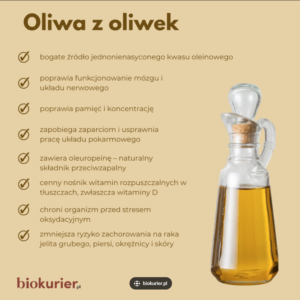
Extra virgin olive oil stands apart from refined oils primarily because of its polyphenol content. Polyphenols — including oleocanthal, oleuropein, and hydroxytyrosol — are bioactive compounds linked to antioxidant and anti-inflammatory activity in peer-reviewed research. According to findings published by the National Institutes of Health, these compounds may support cardiovascular health and help protect cells from oxidative stress — though researchers note that definitive findings still require further large-scale study.
Refined olive oil, by contrast, loses most of its polyphenols and vitamins during processing. Only cold-pressed extra virgin oils retain meaningful concentrations of these compounds.
A few practical points worth knowing:
- Polyphenol levels vary by olive cultivar, harvest timing, and extraction method
- Earlier-harvest oils tend to have higher polyphenol counts but more pronounced bitterness
- Storage in a dark, sealed container preserves polyphenols — light and heat accelerate degradation
- After opening, an extra virgin olive oil is best consumed within three months
How to Use Extra Virgin Olive Oil in the Kitchen
The label on Pasquini’s bottle reads extra vergine — and that matters for how you use it. Its full flavour profile is best preserved at lower temperatures, which makes it ideal for cold applications and gentle finishing.
Market quality controls are increasingly scrutinised: a 2025 inspection by the Polish food inspection authority IJHARS, covered by Portal Spożywczy, found mislabelling irregularities in a significant share of tested olive oil batches — underlining why choosing a trusted brand genuinely matters.
Where Pasquini extra virgin olive oil works best:
- Salads — as a dressing base on its own or with lemon juice; it coats leaves without overpowering them
- Pasta finishing — a drizzle over cooked pasta just before serving adds depth without heaviness
- Bruschetta and bread — direct on toasted bread with a pinch of sea salt
- Soups and legumes — a few drops on a finished bean soup or minestrone
- Light sautéing — stable enough for medium heat; its smoke point around 190°C means it handles a gentle sauté without breakdown
If you frequently prepare Italian-inspired dishes, you may also want to read about what makes Tuscan extra virgin olive oil particularly distinctive — the regional context adds useful perspective on the flavour characteristics.
Pasquini Olive Oil Extra Virgin 3L — Practical Value at Scale
For households and small food businesses that use quality olive oil regularly, the 3-litre format makes practical sense. You get the same cold-pressed extra virgin quality as in smaller bottles — without the price premium of frequent small-bottle purchases.
Pasquini Olive Oil Extra Virgin 3L is well-suited to everyday Italian cooking: morning drizzles on bread, salad dressings throughout the week, and finishing touches on pasta or grilled vegetables. The larger volume also makes it easier to be generous — which is, arguably, the right way to use a good Italian olive oil.
If this format fits your kitchen habits, the product details below give you the full picture before you decide.
Choosing Well and Storing Right
Extra virgin olive oil is one of the most frequently mislabelled products in the EU food market — a reality confirmed by multiple inspection rounds in recent years. When selecting a bottle, look for a stated harvest year, a declared origin, and acidity well below 0.8%. Pasquini extra virgin olive oil addresses all three.
Once opened, store the bottle sealed, away from direct light and heat sources. Used consistently and stored correctly, a quality extra virgin olive oil — including the extra virgin category as defined by EU nutritional standards — is among the most versatile and well-researched dietary fats available. That combination of culinary utility and documented nutritional profile is what makes Pasquini extra virgin olive oil a reliable choice for an Italian olive oil at this quality level.