How to Build an Authentic Italian Meal with Pasta Mancini: From Grain to Table
An authentic Italian meal is defined by its ingredients long before it reaches the table — and few pasta producers illustrate that principle more clearly than Mancini Pastificio Agricolo, whose estate in the heart of Le Marche has grown, milled, and shaped its own durum wheat since 1938. This guide walks through what separates a genuine Italian pasta meal from an approximation of one: the grain, the method, the structure of the meal, and the supporting ingredients that make every element cohere.
The foundation of any great pasta dish is traceable, single-origin wheat — and that is precisely where the Mancini story begins.
What Makes Mancini Pasta Different: Estate Grain and Bronze Extrusion
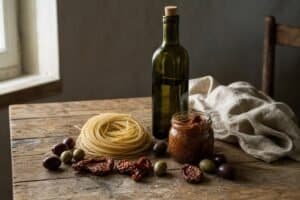
Most pasta manufacturers buy commodity semolina on the open market. Mancini does not. Mancini Pastificio Agricolo produces pasta exclusively from durum wheat grown and harvested annually on its own fields in the heart of Le Marche, Italy — making every batch a genuinely seasonal product tied to one estate’s single crop year.
The family has farmed wheat on this land since 1938. Massimo Mancini, an agronomist by training, built a modern pasta factory directly in the middle of those fields — so milling, extrusion, and slow-drying all happen steps from where the grain was harvested. The result is a closed production loop that very few pasta makers in Italy can claim.
Two technical choices reinforce that traceability at the production level:
-
Bronze-die extrusion: the dough is pressed through bronze plates rather than Teflon, giving each shape a rough, porous surface that holds sauce far better than a smooth, factory-extruded alternative.
-
Slow low-heat drying: drying occurs at temperatures between 36 °C and 55 °C for up to 44 hours, depending on shape — a slower process that preserves the wheat’s natural flavour and nutritional properties.
-
Two-ingredient simplicity: estate-grown durum wheat semolina and water. Nothing else.
-
Seasonal character: because every batch begins with one annual harvest from one estate, the pasta changes subtly from crop year to crop year — a level of specificity more associated with wine than with pasta.
As the French Pantry’s editorial guide to Mancini explains, the rough bronze-drawn surface means sauces cling to every ridge and spiral rather than pooling at the bottom of the bowl — a difference that is immediately apparent when you cook with a good ragù or a well-emulsified aglio e olio.
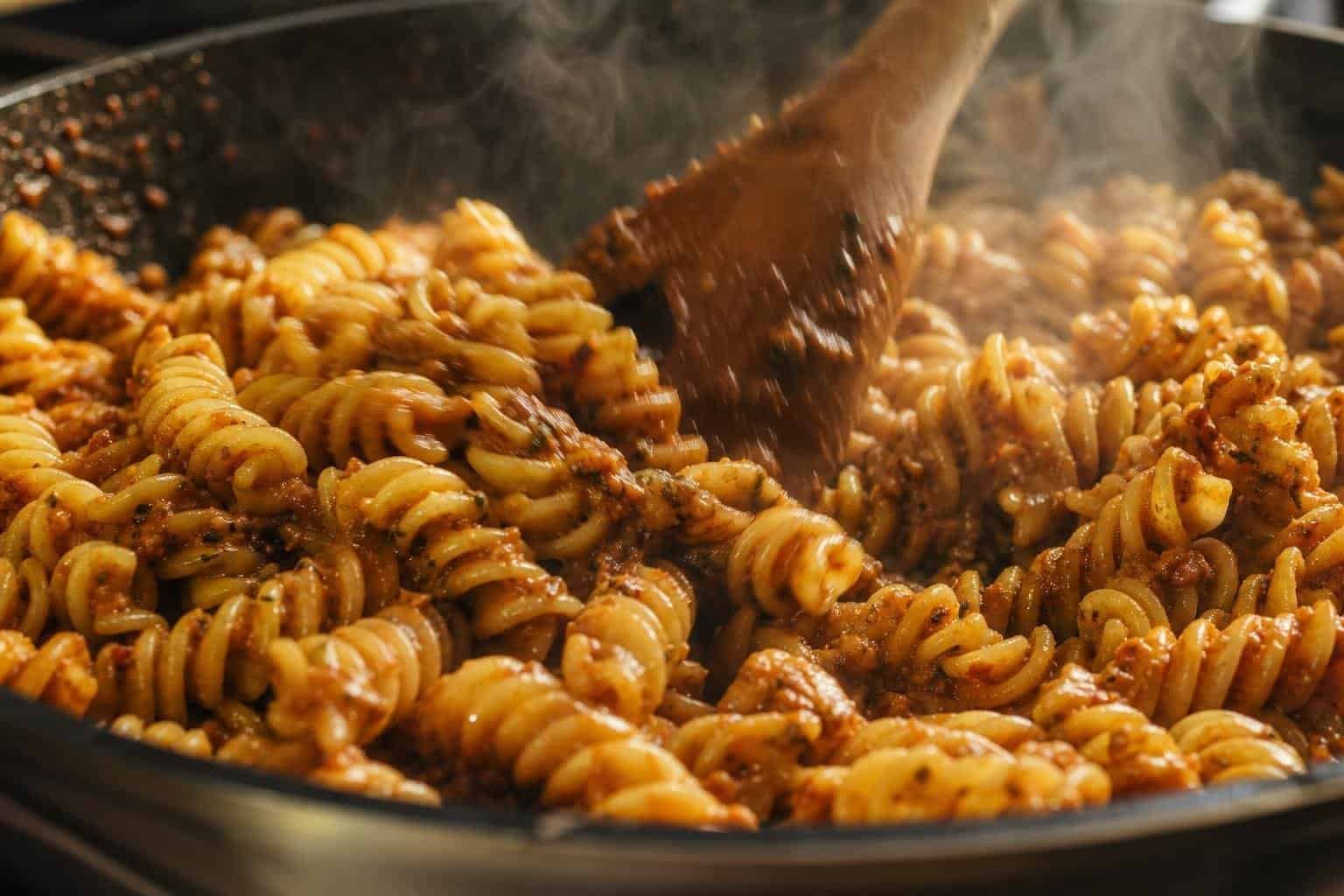
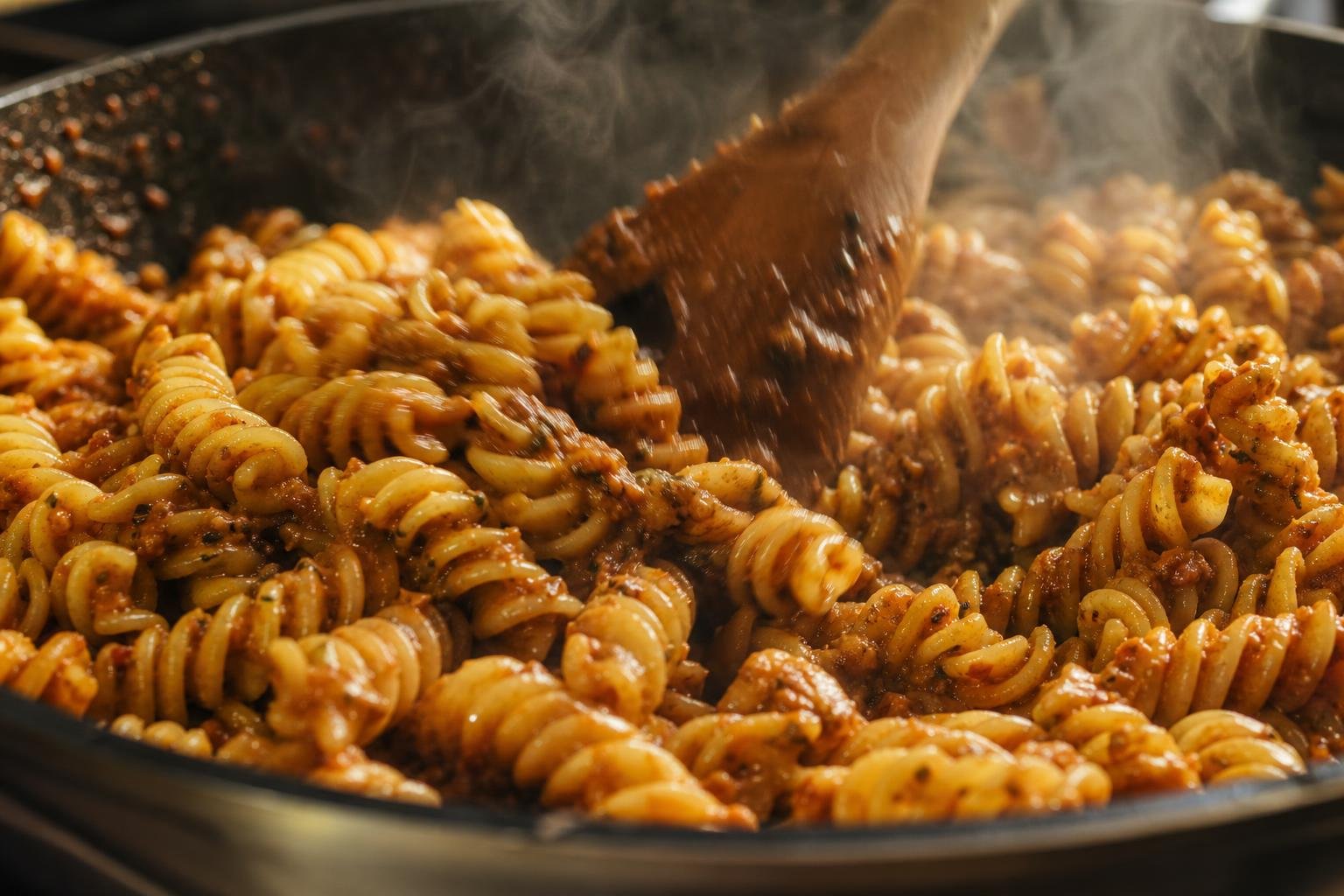
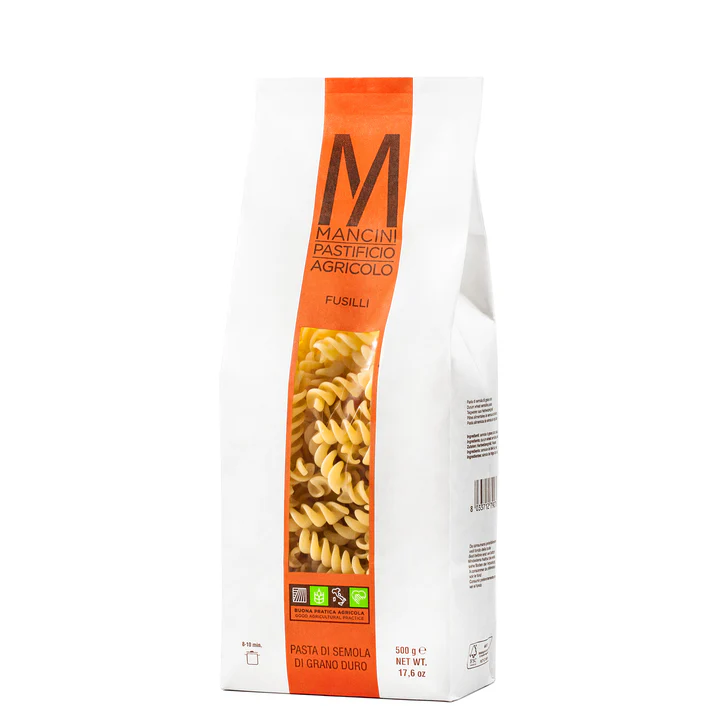
The fusilli shape is a particularly strong example of this principle at work. The tight spiral traps sauce inside each coil, delivering a consistent ratio of pasta to condiment in every forkful — which is precisely why Mancini Fusilli has earned a following among cooks who are serious about texture and flavour integration.
The Architecture of an Authentic Italian Meal: Courses, Logic, and Balance
Understanding where pasta sits in the Italian meal structure explains a great deal about how Italian recipes are proportioned and flavoured. In the traditional Italian meal, pasta occupies the primo — the first substantial course, served after antipasti and before the secondo (the protein course).
This sequence is not merely ceremonial. As documented in research from Emory University’s Noodle Narratives project, no other course in the Italian meal structure commands the same dedicated position that pasta holds as the primo — a reflection of the cultural weight Italian cuisine assigns to this single ingredient.
The practical consequence is that Italian pasta sauces are designed to complement the pasta itself, not overwhelm it. Sauces at the primo stage are balanced — enough to coat and flavour, not so rich or heavy that they preclude a secondo. This is why a well-made aglio e olio, a simple tomato sauce, or a pesto requires high-quality pasta as a partner: when the sauce is restrained, the grain has to do significant work on its own.
The full structure of an authentic Italian meal typically runs:
-
Aperitivo — a light drink, often wine or Aperol, sometimes with small bites
-
Antipasto — starters: cured meats, bruschetta, seasonal vegetables, cheeses
-
Primo — pasta, risotto, or soup; the course where Mancini pasta excels
-
Secondo — a protein: meat, fish, or a substantial vegetable preparation
-
Contorno — a side dish, typically sautéed greens or roasted vegetables, served with the secondo
-
Dolce — dessert; in a home setting, often fruit, a small pastry, or a spoonful of preserved citrus
Most weekday Italian meals at home are simpler — an antipasto, a primo, and perhaps a dolce. The complete sequence is typically reserved for Sunday lunch, celebrations, and festive occasions. The important point is that the logic of the structure — separate courses, restrained portions, quality over quantity — applies even in abbreviated form.
For a detailed look at how pasta shapes pair with specific sauces within this structure, see the practical guide on how to match Mancini pasta shapes to sauces.
The Role of Olive Oil and Supporting Ingredients
Pasta is rarely the only ingredient worth scrutinising. In an authentic Italian pasta meal, the supporting cast — olive oil, aromatics, cheese, and any condiment served alongside — shapes the final result just as significantly as the pasta itself.
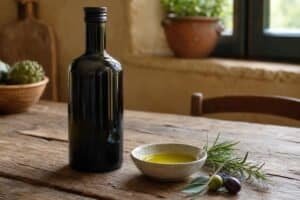
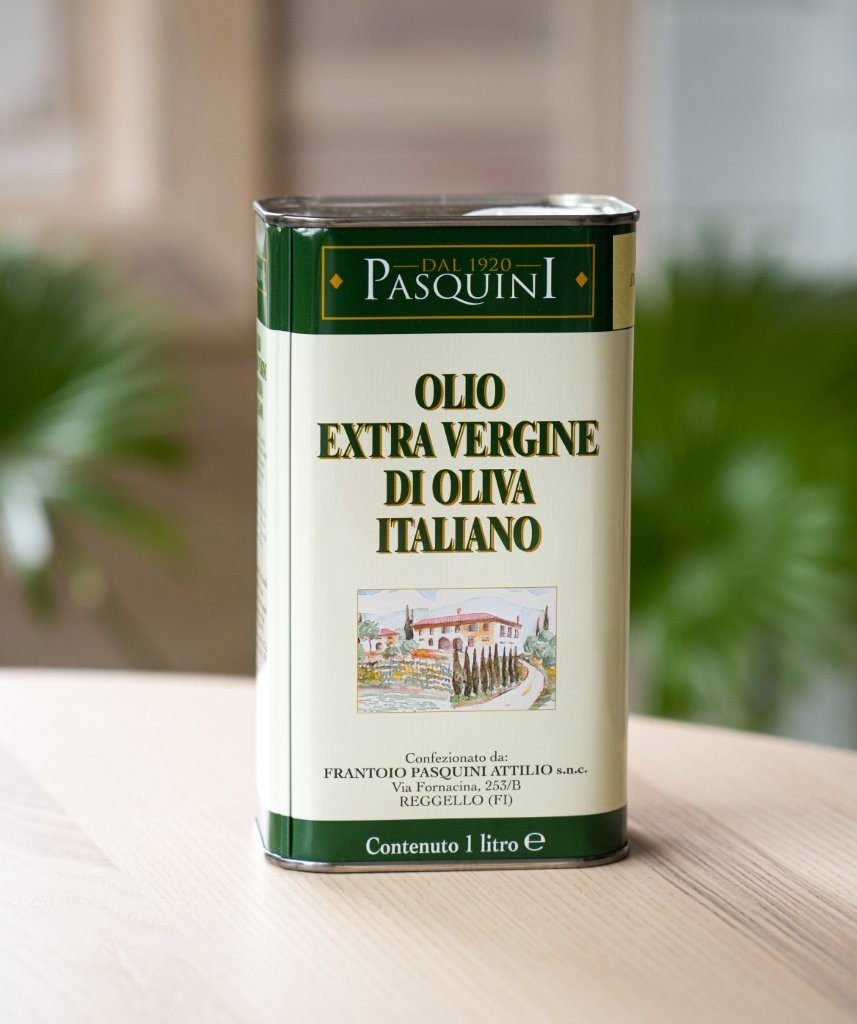
Extra virgin olive oil is the backbone of most Italian pasta condiments. It functions as both a cooking medium and a finishing element: used to build a soffritto, to emulsify a sauce, or drizzled raw over a finished bowl of pasta to add bitterness and depth. The quality differential between a freshly pressed, cold-extracted extra virgin oil and a generic supermarket alternative is substantial and detectable in the final dish.
Freshly pressed oils — particularly those from the 2025 harvest — contain significantly higher polyphenol concentrations than oils that have sat in a warehouse for a year or more. Polyphenols are the compounds responsible for olive oil’s characteristic peppery finish and its stability during gentle cooking. Using a high-quality, recently harvested oil to finish a Mancini pasta dish is not indulgence; it is structurally important to the flavour.
For a detailed breakdown of how to evaluate and use a quality Tuscan extra virgin olive oil in everyday pasta cooking, the guide on using Pasquini Olive Oil in the kitchen is a practical starting point.
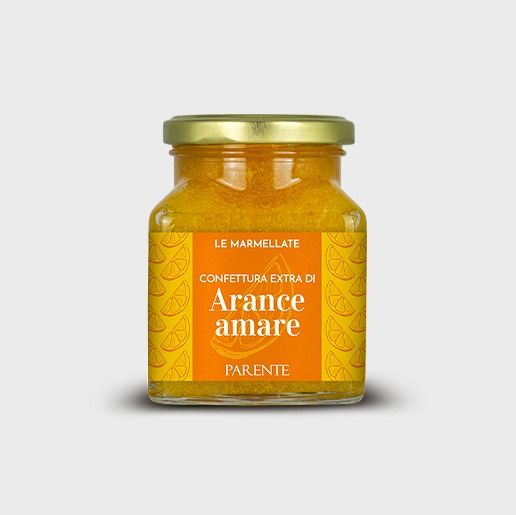
At the dessert stage, a quality bitter orange marmalade — served with cheese, stirred into yoghurt, or used as a condiment alongside pastry — completes the meal with the kind of preserved citrus note that has featured in Italian table traditions for centuries. The interplay of bitter orange against aged cheese or alongside a digestivo is a small but precise detail that distinguishes a considered meal from a casual one.
Products That Build the Authentic Italian Meal
The three products below represent the core components of a genuine Italian pasta meal: the pasta itself, the olive oil that carries the sauce, and the preserved citrus that closes the table with an Italian character. Each is selected for traceability, production method, and the role it plays within the meal structure described above.
Putting It Together: Practical Notes for the Home Cook
Building an authentic Italian meal with Mancini Pasta at the centre is, in practice, a matter of proportion and restraint. The grain does the structural work; the condiment’s job is to complement, not mask.
A few principles that apply consistently:
-
Salt the pasta water generously — it should taste distinctly seasoned. Under-salted water is the single most common source of flat-tasting pasta.
-
Reserve pasta water — the starchy cooking water is essential for emulsifying a sauce and adjusting consistency without diluting flavour.
-
Finish in the pan — drain the pasta a minute before it reaches the texture you want, then finish it in the sauce over heat. This is how the rough surface of bronze-drawn pasta does its work: the sauce penetrates the pores as the pasta finishes cooking.
-
Match shape to sauce viscosity — fusilli suits medium-bodied sauces (pestos, chunky tomatoes, vegetable-based condiments) that lodge in the spirals. Long shapes like spaghetti or linguine work better with emulsified or oil-based sauces.
-
Use olive oil twice — once during cooking or sauce preparation, once as a finishing drizzle just before serving. The two applications perform different functions, and both matter.
For further context on the Mancini production philosophy and its place in the broader landscape of Italian pasta tradition, the complete guide on building an authentic Italian meal with Mancini Pasta covers shapes, sauces, and the grain story in greater depth.
Conclusion: Authenticity Starts with the Grain
A genuine authentic Italian meal with pasta is not primarily about technique — it is about the integrity of the ingredients and the logic of the structure they inhabit. Mancini Fusilli brings estate-grown durum wheat, bronze-die texture, and seasonal character that commercial pasta cannot replicate. A freshly pressed extra virgin olive oil completes the condiment. A well-chosen preserved citrus at the table closes the meal on an Italian note.
The research framework behind Italian pasta’s cultural importance — including the long scholarly record of how the primo evolved as the heart of the Italian meal — is documented in academic work such as the Emory University Noodle Narratives project on pasta and Italian meal structure. The practical upshot is simpler: when the grain is traceable, the extrusion method is honest, and the supporting ingredients are chosen with the same care, the meal takes care of itself.
That is what distinguishes an authentic Italian pasta meal from a plate of pasta with sauce — and why the choices made at the ingredient level, long before cooking begins, are the ones that matter most.
Frequently Asked Questions
Q: What makes Mancini Pasta different from supermarket pasta?
A: Mancini Pastificio Agricolo grows its own durum wheat on its Le Marche estate and produces pasta exclusively from that single annual harvest — a closed-loop approach that gives the pasta a traceable, seasonal character. Combined with bronze-die extrusion and slow low-heat drying, this produces a rough, porous surface that holds sauce far more effectively than Teflon-extruded commercial alternatives.
Q: Which Mancini pasta shape works best for an everyday Italian meal at home?
A: Mancini Fusilli is a versatile choice: the tight spirals trap medium-bodied sauces — pestos, chunky tomato, vegetable-based condiments — and hold them through every forkful. For oil-based or emulsified sauces, long shapes such as spaghetti or linguine are generally more suitable.
Q: Why does olive oil quality matter in a pasta dish?
A: Extra virgin olive oil functions both as a cooking base and a finishing element in most Italian pasta condiments. Freshly pressed oils retain higher concentrations of polyphenols — the compounds responsible for the characteristic peppery finish — which contribute measurably to the flavour of the finished dish, particularly when the oil is used raw as a final drizzle.