Tuscan Extra Virgin Olive Oil: A Guide to Flavor and Kitchen Uses
Tuscan extra virgin olive oil occupies a distinctive place in Italian culinary tradition — shaped by local climate, specific olive cultivars, and centuries of careful production. According to the official Visit Tuscany portal, extra virgin is the highest quality category, protected by strict European legislation covering sensory characteristics including taste, colour, and aroma. Understanding what sets it apart helps you choose well — and use it better.
What Makes Tuscan EVOO Distinctive
The character of a Tuscan extra virgin olive oil starts in the grove. The region’s rolling hills, Mediterranean climate, and well-drained soils create growing conditions that favour complexity over neutrality.
Three olive varieties dominate Tuscan production: Frantoio, Leccino, and Moraiolo — each adapted to local terrain and contributing different qualities to the final oil. Frantoio lends aromatic intensity; Moraiolo adds bitterness and polyphenol richness; Leccino softens the blend.
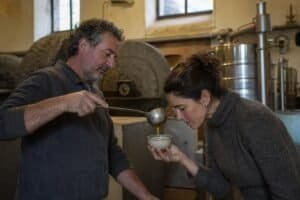
Harvest timing matters as much as variety. Olives are collected mainly by hand starting in October, then pressed within 24 hours to prevent oxidation. Cold-pressing at below 27°C preserves low acidity and a full aromatic profile.
On the palate, quality Tuscan EVOO typically shows:
- Fruity notes — fresh grass, green artichoke, almond
- A clean, pleasant bitterness that signals polyphenol content
- A peppery finish that lingers slightly at the back of the throat
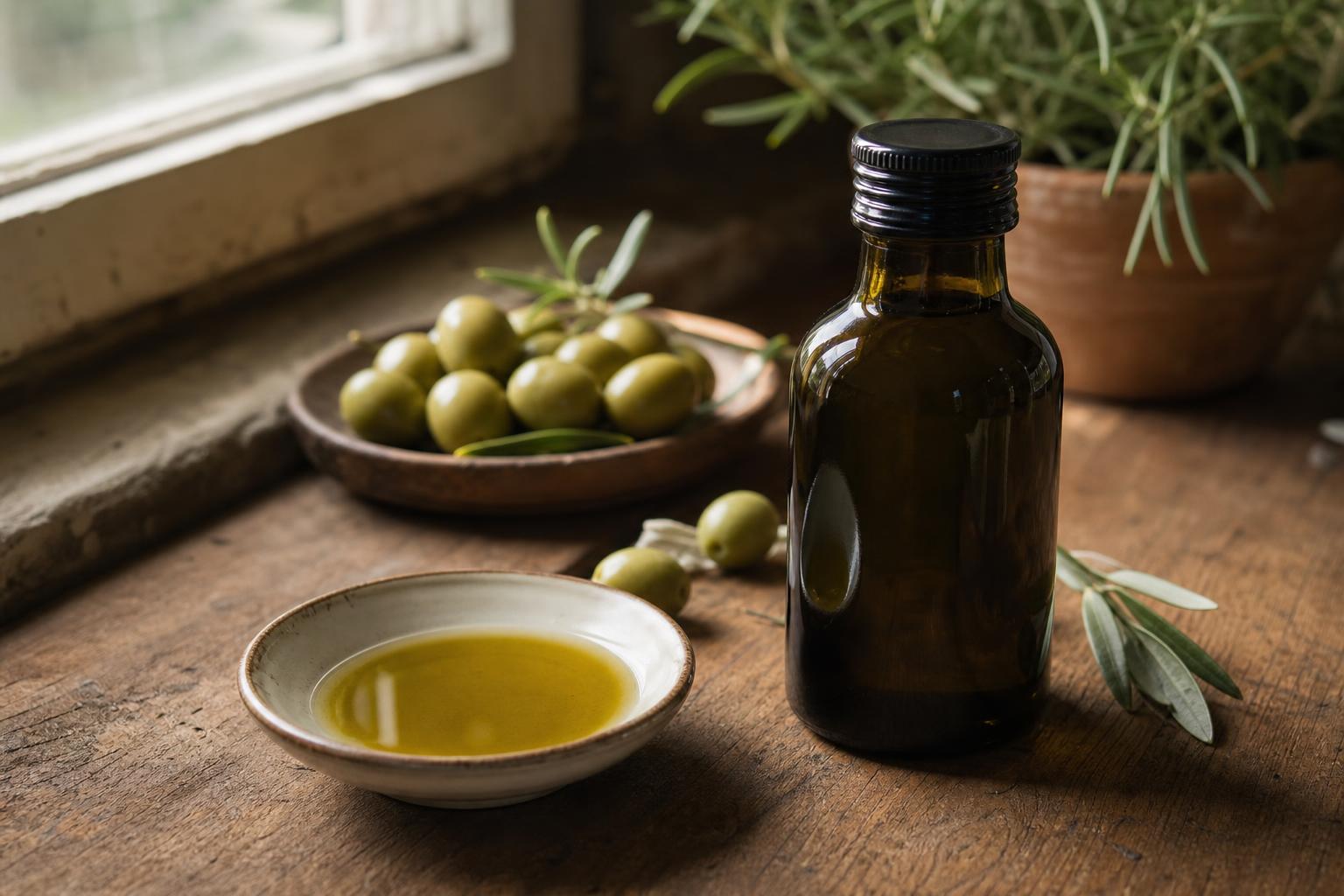
- A vibrant green hue that shifts to golden yellow as the oil ages
Certifications and Quality Markers
Tuscany is home to several protected designations worth knowing. As the Olio Toscano IGP Consortium explains, the Toscano IGP (Protected Geographical Indication) has certified authentic Tuscan olive oil since 1998 — requiring every stage from harvest to bottling to take place within the region.
Four PDO designations also exist: Chianti Classico DOP, Terre di Siena DOP, Lucca DOP, and Seggiano DOP — each tied to a specific sub-zone with its own flavour identity.
When reading a label, prioritise these signals:
- Harvest date — fresher is better; aim for oil pressed within the last 12–18 months
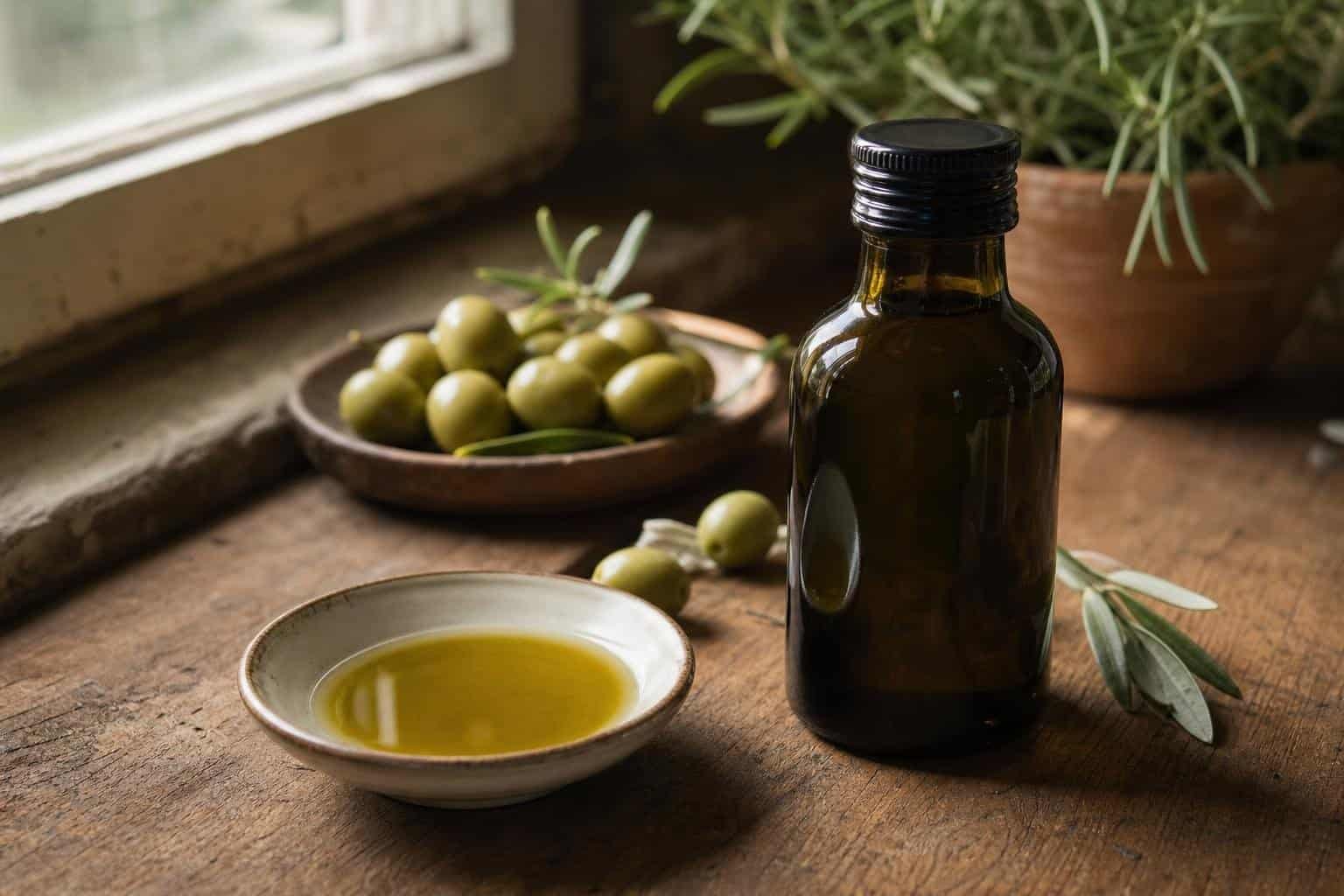
- Dark glass or tin packaging — protects against light degradation
- Declared origin — bottled vs. produced are not the same thing
- IGP or DOP certification — a reliable quality and traceability marker
- Acidity below 0.8% — quality oils often sit at 0.2–0.4%
A suspiciously low price is a reasonable red flag. Genuine extra virgin has real production costs — early harvest, hand-picking, and rapid cold-pressing are not cheap processes.
Pasquini Extra Virgin Olive Oil: From Tuscany to Your Table
Pasquini olive oil brings Tuscan character to everyday cooking in two practical formats. The 3-litre option suits households that use quality oil regularly — for dressings, finishing soups, and drizzling over pasta. The 5-litre format is well suited to those who cook frequently or want a longer-term supply without compromising on freshness.
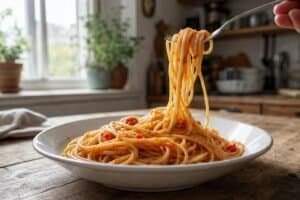
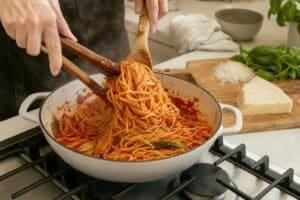
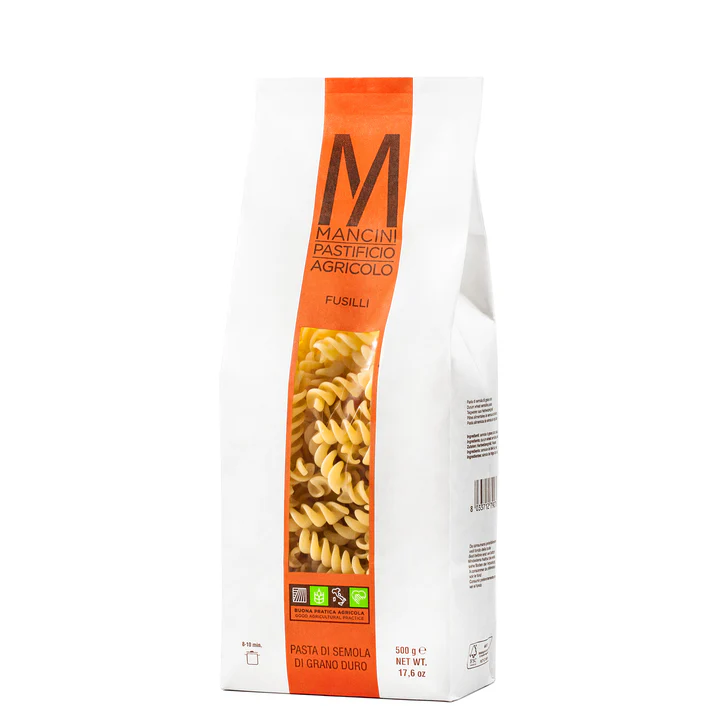
Both pair naturally with PASTA FUSILLI MANCINI — a short pasta made from Italian durum wheat that holds sauce well. A simple preparation: cook the fusilli al dente, finish with a generous pour of Pasquini extra virgin, a pinch of sea salt, and good parmesan. The oil’s fruity, slightly peppery character works particularly well when added off the heat, preserving its aroma.
If you use extra virgin olive oil as a daily kitchen staple, explore the full details below.
How to Use Tuscan Extra Virgin Olive Oil in the Kitchen
Tuscan EVOO is most expressive when used raw or added at the end of cooking — that’s when its aroma and polyphenol content are best preserved. A few practical applications worth knowing:
- Finishing soups and pasta — a thin drizzle just before serving adds depth without overwhelming
- Salad dressings — combine with lemon juice or white wine vinegar, salt, and pepper for a clean, Tuscan-style vinaigrette
- Bread dipping — classic fett’unta: toasted bread, raw garlic, olive oil, salt
- Marinades — helps distribute spices and herbs while protecting meat or vegetables during grilling
- Light sautéing — suitable at low to medium heat; avoid sustained high temperatures
For a broader look at pairing Italian oils with pasta dishes, the article on choosing the right pesto for pasta offers useful context on balancing bold flavours in Italian-style cooking.
Choosing and Storing Tuscan Extra Virgin Olive Oil
As It’s Tuscany notes, unlike wine, olive oil does not improve with age — freshness is the goal. Once opened, use within three to six months for optimal flavour. Store the bottle in a cool, dark place, away from the cooker and direct sunlight.
Tuscan extra virgin olive oil — whether used over a salad, stirred into a bean dish, or drizzled onto fresh pasta — rewards attention to origin and freshness. Those two factors, more than any marketing claim, are the honest indicators of what’s in the bottle.