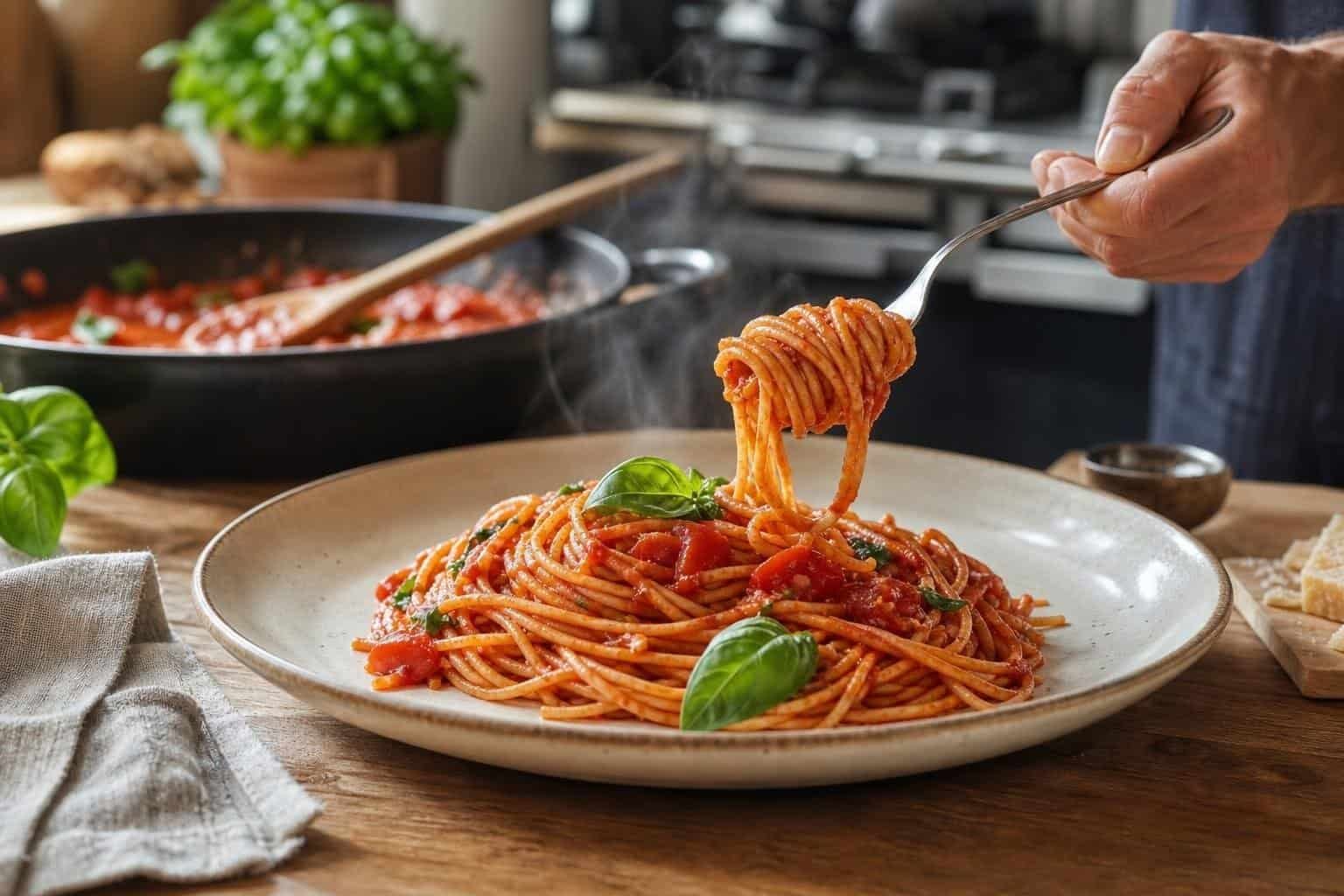
Italian Pasta Sauces in a Jar: The Real Rules Behind Choosing and Using Them
Italian pasta sauces are much more than a convenience — each one carries the history of a region, a climate, and a way of cooking that took centuries to develop. Whether you reach for a classic basil pomodoro or a pepper-laced arrabbiata, understanding what makes these sauces work can genuinely change how your pasta tastes. The editorial team at Reluctant Gourmet puts it well: sauces like Ligurian pesto or Roman cacio e pepe tell stories of place and people.
This guide walks you through the regional roots of the most-loved Italian pasta sauces, the Italian logic behind pairing sauce to pasta shape, the mistakes that quietly ruin an otherwise good bowl — and how a well-made jarred sauce fits naturally into the picture.
Where Italian Pasta Sauces Actually Come From
Italy’s culinary map is built on contrast. The north and south are practically different countries when it comes to pasta sauce. Northern Italian cooks lean toward butter, cream, and slow-cooked meat ragù — think tagliatelle al ragù Bolognese, a combination so embedded in tradition that the original recipe was formally registered by the Italian Academy of Cuisine in 1982. Southern Italy takes a different path: olive oil, tomatoes, chillies, and dry durum-wheat pasta dominate the table.
The north-south split explains a lot. In Emilia-Romagna and Lombardy, egg-based ribbon pasta pairs with rich, reduced sauces. Down in Puglia, Campania, and Sicily, sturdy dry pasta handles bold tomato sauces, olive oil-forward preparations, and sea-influenced flavours without flinching.
A few regional classics worth knowing:
- Pesto Genovese (Liguria) — fresh basil, pine nuts, Parmigiano Reggiano, garlic, and olive oil; the name comes from “pestare,” to pound
- Ragù alla Bolognese (Emilia-Romagna) — long-cooked meat sauce, best on tagliatelle, never on spaghetti according to Bologna locals
- Amatriciana (Lazio) — tomato, guanciale, pecorino; traditionally served on bucatini, not penne
- Arrabbiata (Lazio) — a punchy tomato and chilli sauce, simple and fast-cooking
- Salsa al Pomodoro e Basilico (Campania/Central Italy) — the classic tomato-basil base, a pillar of everyday cooking across the country
- Norma (Sicily) — roasted aubergine, tomato, salted ricotta; created as a tribute to composer Bellini’s opera
Tomato-based sauces feel like the default idea of “Italian food” outside Italy — but as the team at Tradita notes, tomatoes didn’t become a culinary staple in Italy until well after they arrived from the Americas in the sixteenth century, and their rise was concentrated heavily in the south.
Once you place a sauce in its region, everything about it starts making sense — the fat it uses, the pasta it suits, the season it belongs to.
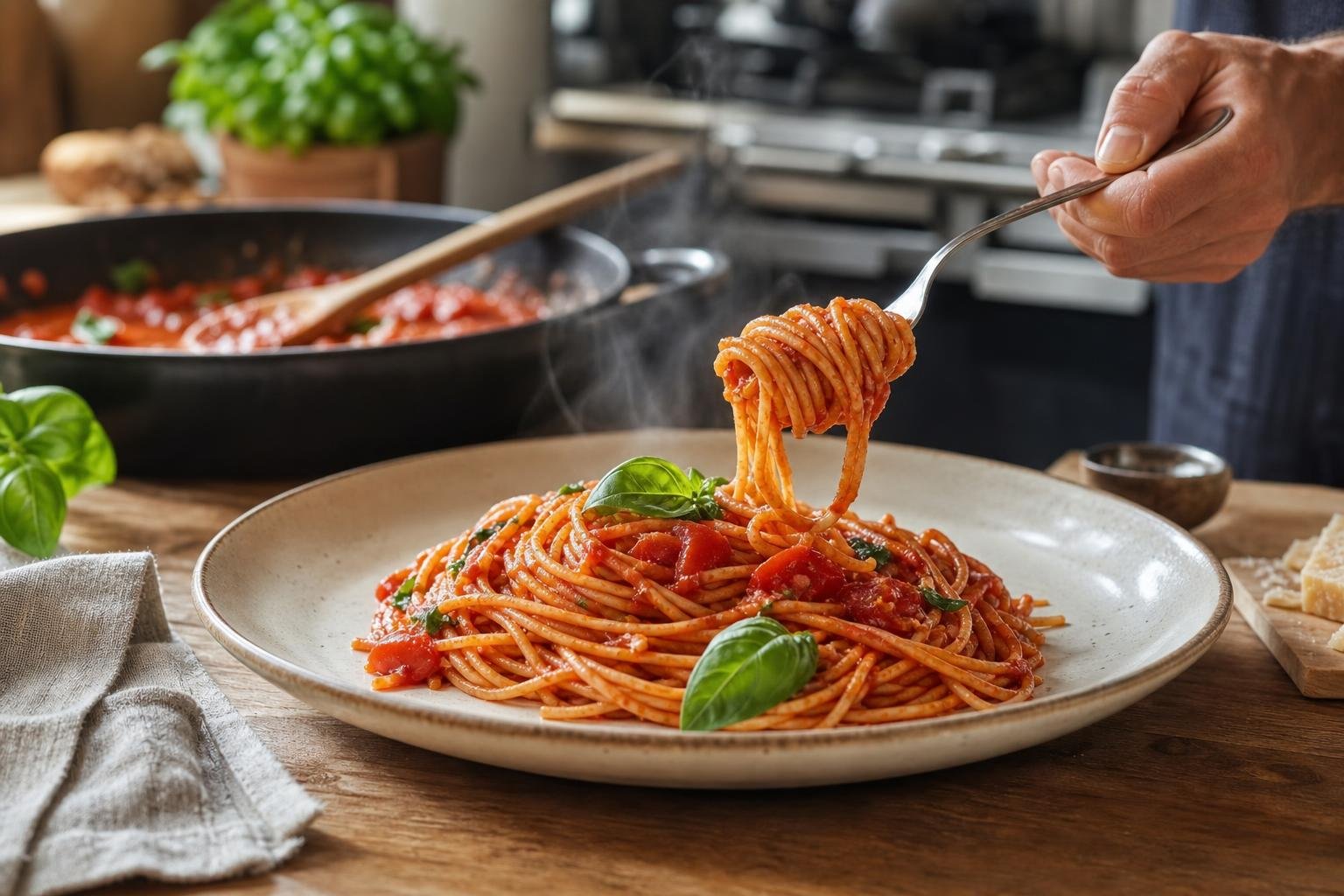
The Italian Rules for Matching Sauce to Pasta Shape
Italians treat the pasta-sauce pairing with real seriousness — not out of snobbery, but because the physics of it genuinely matters. The shape of pasta determines how sauce clings to it, and getting the combination wrong means your sauce pools at the bottom of the bowl instead of coating every bite.
The core logic, as explained by the culinary educators at Sos Italian, comes down to one principle: Italians pair pasta shapes with sauces based on how well the sauce actually clings to or fills the pasta. Long, smooth strands behave completely differently from short, ridged tubes.
Long pasta: light and coating sauces
Long strands — spaghetti, linguine, spaghettoni — work best with sauces that are thin enough to coat them evenly. Oil-based preparations, light tomato sauces, and seafood sauces are natural partners. A rich, chunky meat ragù tends to slide off thin strands entirely, which is exactly why a proper Bolognese sits on tagliatelle rather than spaghetti.
Spaghettoni — the thicker, square-cut version of spaghetti — handle slightly more body than regular spaghetti while still preferring sauces that coat rather than chunk. That makes them a particularly versatile long-pasta option for basil and tomato sauces.
Short and ridged pasta: chunky and hearty sauces
Ridged pasta like penne rigate or rigatoni grips sauce more effectively. The ridges catch bits of meat and vegetables; hollow centres trap chunky sauce inside. Tube pasta is designed for ragù, sausage, and vegetable sauces — the kind of preparations where you want something in every bite.
A few pairing rules that Italians rarely break:
- Spaghetti + aglio e olio, light tomato, or vongole — never a heavy ragù
- Tagliatelle or pappardelle + Bolognese ragù — the wide ribbon surface clings to the sauce
- Bucatini + Amatriciana — the hollow tube catches the sauce, a Roman non-negotiable
- Penne rigate + Arrabbiata — ridges hold the spiced tomato sauce in place
- Orecchiette + broccoli rabe or sausage — the little cups were literally designed to catch pieces of vegetable
- Fusilli or trofie + pesto — the twists grab and hold the thick green sauce
The bottom line: long pasta prefers smooth, coating sauces; short or ridged pasta welcomes chunky, hearty ones. Once that’s clear, you can choose your sauce with a lot more confidence — and the result genuinely tastes better.
Common Mistakes When Cooking Italian-Style Pasta Sauces
Even with a quality sauce and the right pasta shape, a few habits can quietly undermine the result. These are the most common ones — and the simplest to fix.
Adding cream to carbonara. This is probably the most widespread mistake outside Italy. True carbonara — a Roman creation — is an emulsion of egg yolks, cured pork (guanciale), pecorino, and pasta water. Cream is not traditional, and it changes the texture significantly. The egg-fat emulsion is what makes carbonara silky.
Over-saucing the pasta. Italian pasta should be coated, not swimming. A common instinct is to add more sauce, but less is almost always better — the pasta’s own starch and a splash of cooking water do the binding work.
Skipping the pasta water. The starchy water from the pot is one of the most useful tools in Italian cooking. A ladle added to the pan while finishing pasta helps the sauce emulsify and cling. Pouring it down the drain is a missed opportunity every time.
Matching the wrong shape to the sauce. As covered above, a chunky ragù on thin spaghetti, or a delicate oil-based sauce in rigatoni — both are technically edible, but neither is right. The shape-sauce relationship is practical, not arbitrary.
Rushing a slow sauce. Some sauces need time. A proper Neapolitan ragù can take three to five hours to develop properly. Basil-tomato is fast; ragù is not. Trying to speed up a slow sauce usually means less depth of flavour.
Not finishing the pasta in the sauce. In Italian kitchens, pasta is drained a minute or two before it’s fully done and then finished directly in the pan with the sauce. This technique — called mantecare — binds everything together and makes the sauce cling far better than simply plating pasta and spooning sauce on top.
Ready-Made Italian Sauces Worth Having in Your Kitchen
A well-made jarred sauce uses the same logic as a home-cooked one: quality tomatoes, good olive oil, real herbs, and nothing unnecessary. When those ingredients are there, a jarred sauce is a genuine shortcut — not a compromise. It’s particularly useful on weeknights when a proper soffritto from scratch isn’t realistic, but you still want a result that tastes like something.
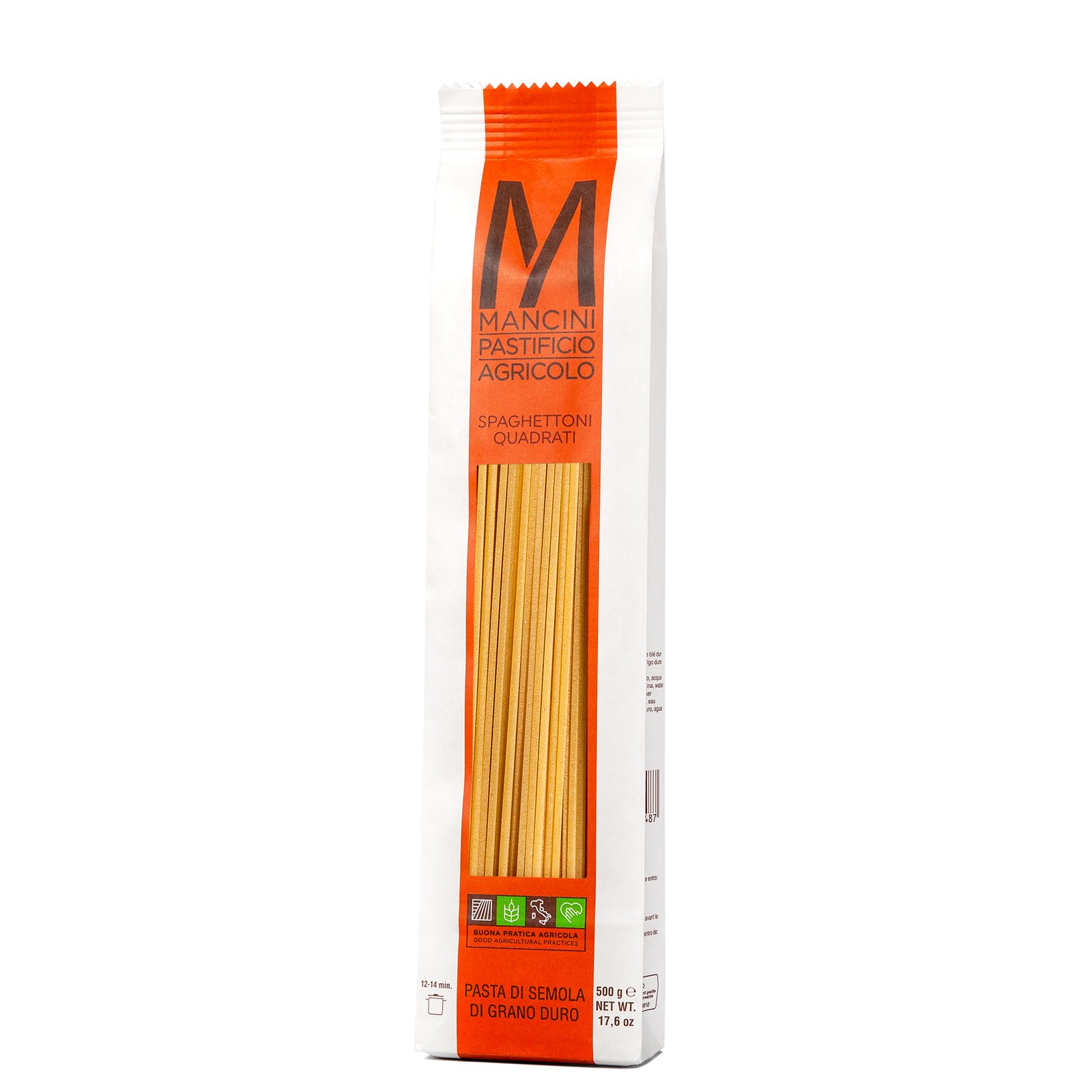
The pasta you pair it with matters just as much. A square-cut spaghettoni like the Mancini — bronze-die extruded, with a rougher surface than most — picks up sauce better than smoother supermarket alternatives, which means a basil tomato sauce actually coats every strand rather than sitting at the bottom of the bowl.
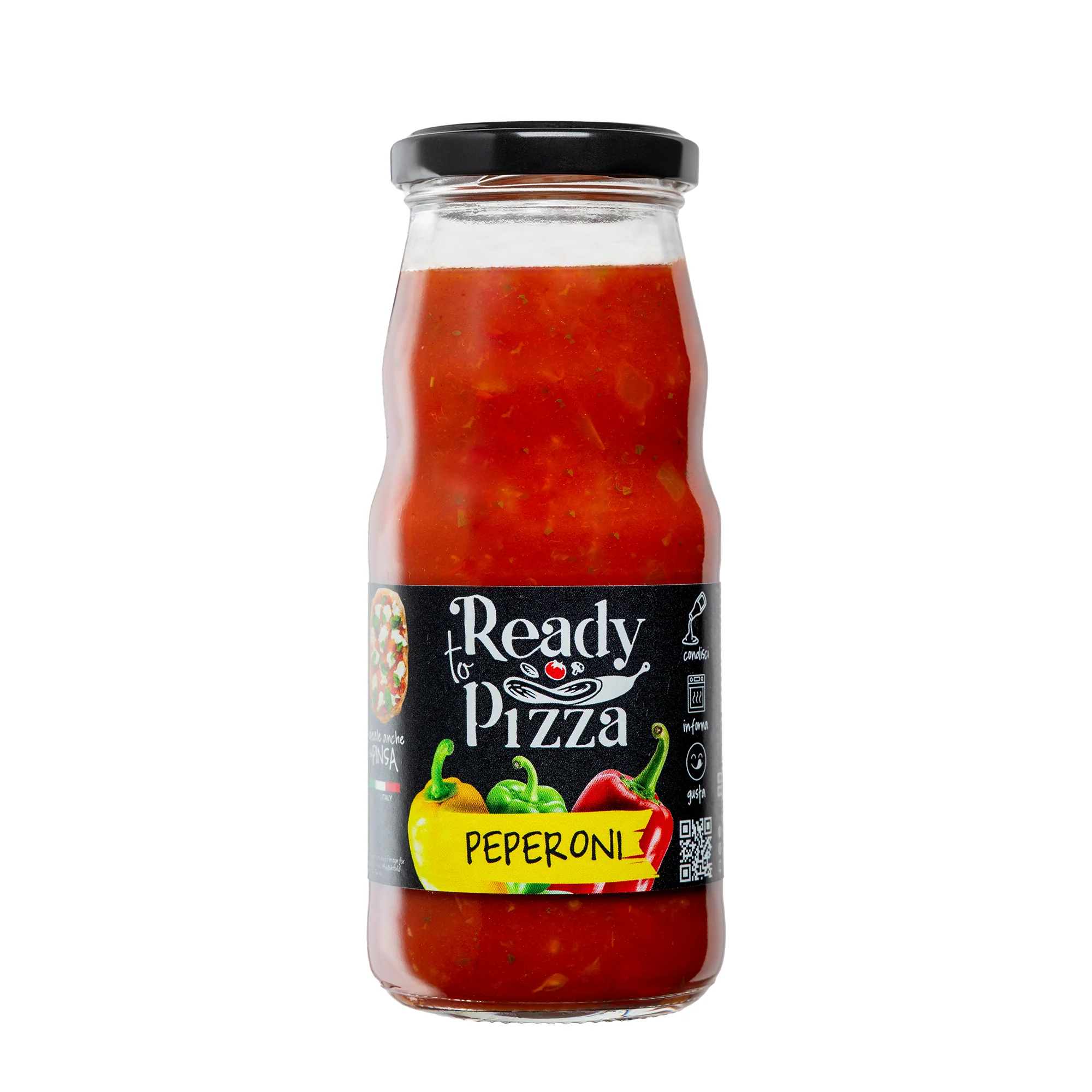
For the sauce side, a classic basil sauce made with real tomatoes and no added thickeners is versatile enough to work on spaghetti, linguine, and even short pasta. It’s the kind of sauce that benefits from a finish of good olive oil and a handful of grated Parmigiano once the pasta is in the bowl — simple, but noticeably better than a rushed version. And if you want something with a bit more character, a pepper-based pizza sauce doubles surprisingly well as a pasta sauce, particularly with penne or rigatoni where it has ridges to cling to.
Putting It All Together: A More Italian Approach to Pasta at Home
The appeal of Italian pasta sauces — both homemade and jarred — lies in how much a small amount of knowledge improves the result. Match the sauce to the pasta shape, finish the pasta in the pan with a splash of cooking water, don’t over-sauce, and use ingredients worth tasting. That’s really most of it.
Regional variety is also worth exploring. The difference between a Ligurian basil pesto and a Sicilian pomodoro isn’t just flavour — it’s geography, season, and centuries of habit. Italian pesto alone has dozens of regional variations that most people outside Italy never encounter.
If you’re building your pantry, a few well-chosen jarred sauces alongside a good pasta — extruded through bronze dies for better sauce adhesion — get you closer to an authentic plate than a trolley full of mediocre ingredients ever will. And the Amazing Food & Drink pasta guide sums up the underlying idea neatly: Italian pasta traditions grew from centuries of cooking experience across the country, where shape, sauce, and region evolved together — not separately.
Start with a sauce you understand, pair it with the right shape, and finish properly in the pan. That’s what makes pasta taste Italian — not a specific brand, but a way of thinking about it.
FAQ
Q: Can I use spaghetti with Bolognese sauce?
A: Traditionalists in Bologna would say no — authentic ragù Bolognese is paired with tagliatelle, because the wide ribbon pasta holds the chunky meat sauce far better than thin spaghetti strands, which tend to let it slide off.
Q: What makes a good jarred Italian pasta sauce?
A: Look for tomatoes (whole, crushed, or purée) as the primary ingredient, olive oil rather than seed oil, real herbs, and a short ingredient list with no added starch or artificial thickeners — those are the markers of a sauce that tastes like something rather than nothing.
Q: What is the mantecare technique and why does it matter?
A: Mantecare means finishing cooked pasta directly in the pan with the sauce — usually with a splash of pasta cooking water — for the final minute or two. The starch from the water helps bind the sauce to the pasta, giving you a creamy, cohesive result instead of pasta with sauce sitting on top.