How to Recognise Genuine Tuscan Extra Virgin Olive Oil — A Friendly Guide to Choosing the Real Thing
Genuine Tuscan extra virgin olive oil has a character you can smell before you even taste it — fresh, faintly grassy, with that gentle peppery catch in the throat that tells you the oil is alive. But with so many bottles claiming Tuscan origins, knowing what to look for matters. The European Commission’s DG Agriculture notes that the EU accounts for almost 72% of world olive production — which means there’s a lot of competition, and not all of it is honest.
What Actually Makes an Olive Oil «Extra Vergine»?
The term extra virgin isn’t just marketing. It’s a legally defined category with strict chemical and sensory requirements. Under EU law — aligned with International Olive Council (IOC) standards — extra virgin olive oil must have a free acidity of no more than 0.8%, zero sensory defects, and must be extracted by mechanical means only, with no heat or chemical solvents involved.
In plain terms: cold-pressed, no shortcuts, no blending with inferior oils. Cold extraction at temperatures below 27°C helps retain polyphenols and the fruity, peppery notes that make a good Tuscan oil worth seeking out.
Why Tuscan Olive Oil Tastes Different: Climate, Varieties, and Tradition Explained
Here’s what separates genuine extra virgin from the rest:
-
Free acidity ≤ 0.8% — lower is often better; quality Tuscan oils frequently come in well below this threshold
-
Zero sensory defects — no rancid, musty, or fermented notes allowed
-
Mechanical extraction only — no chemical refining, no heat above 27°C
-
Harvest within hours — olives pressed quickly after picking preserve the most flavour compounds
If a bottle doesn’t clearly state «extra virgin» in full — not «premium», not «pure», not «cold extracted» alone — that’s already a yellow flag worth noting.
The Tuscan Difference: Terroir, Cultivars, and Certification
Tuscany’s olive oil tradition runs deep. Visit Tuscany explains that since 1998, the region’s oil production has been protected by the Toscano PGI designation — meaning all stages of production, from olive growing and pressing to packaging, must take place within Tuscany’s administrative territory.
The native cultivars matter, too. PGI Tuscan EVOO is made from varieties like Frantoio, Leccino, Moraiolo, Pendolino, and others — each contributing to that distinctive profile of medium-to-high fruitiness, mild bitterness, and a pleasant peppery finish.
Research published on PubMed Central (NIH) confirms that the Tuscan PGI varietal platform includes 31 specific olive cultivars, which must account for at least 95% of the product. That level of specificity is exactly what keeps the character of these oils consistent and traceable.
Italy holds an impressive record here. According to data cited in the same NIH study, citing Coldiretti figures: Italy has 42 PDO and 4 PGI olive oil designations — the highest number in Europe. Tuscan PGI is among the best-known internationally.
What does this mean practically? A bottle carrying the Toscano IGP or a Tuscan DOP seal has been produced under audited conditions. One without any such mark may simply have been bottled in Tuscany — which tells you nothing about where the olives actually grew.
How to Read the Label Like a Pro
You don’t need to be a sommelier to pick a good bottle. A few label checks go a long way. For a deeper look at how Tuscan origin shapes flavour and kitchen performance, the guide onTuscan Extra Virgin Olive Oil: A Guide to Flavor and Kitchen Uses is a helpful companion read.
Start with these five things on any bottle:
-
«Extra Virgin» in full — the legal term, not a paraphrase
-
Harvest date or harvest year — not just a best-before stamp; freshness peaks within 12–18 months of harvest
-
Specific origin — «100% Tuscan olives» or a DOP/PGI designation beats a vague «product of Italy»
-
Named olive varieties — Frantoio, Leccino, Moraiolo are good signs of regional authenticity
-
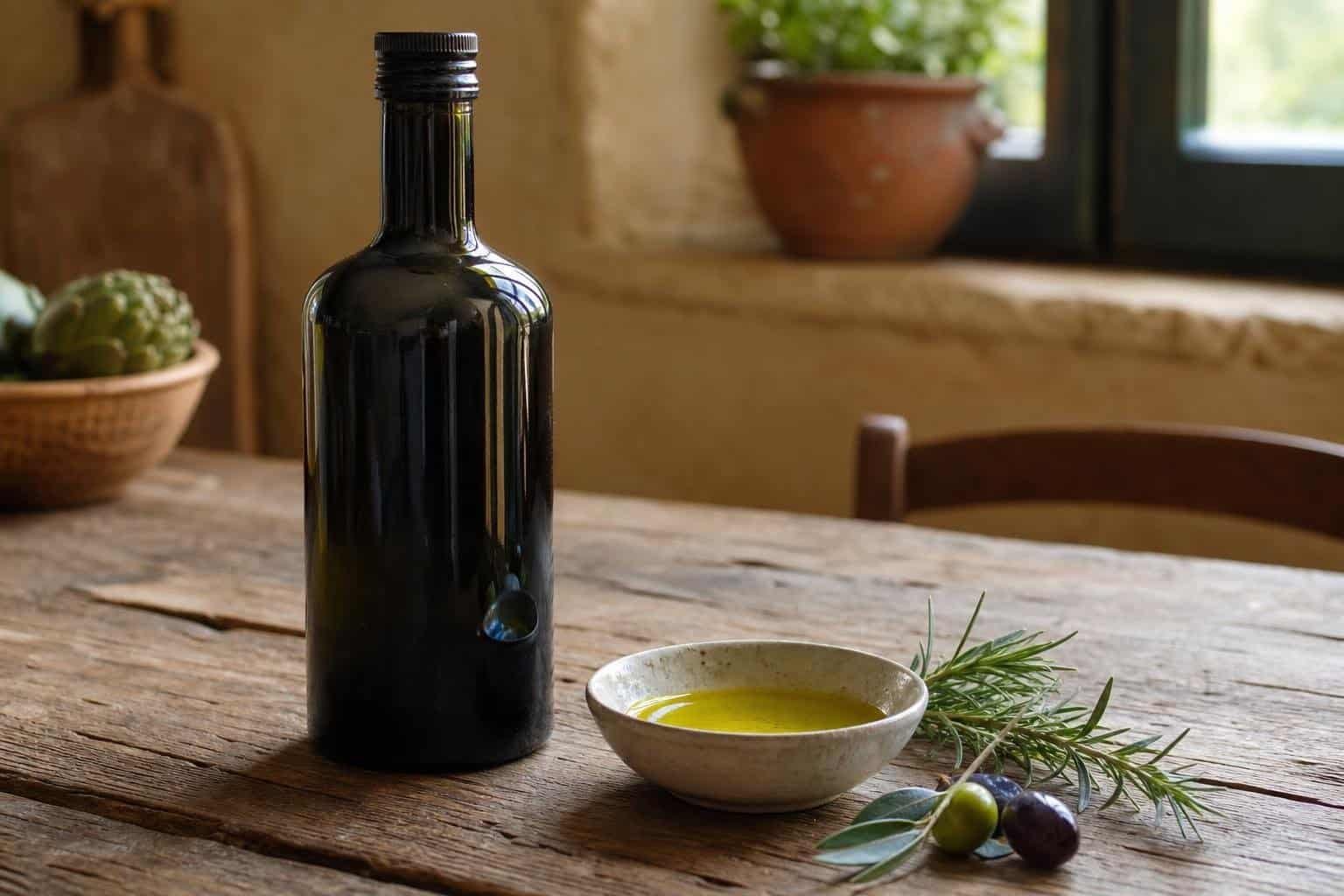
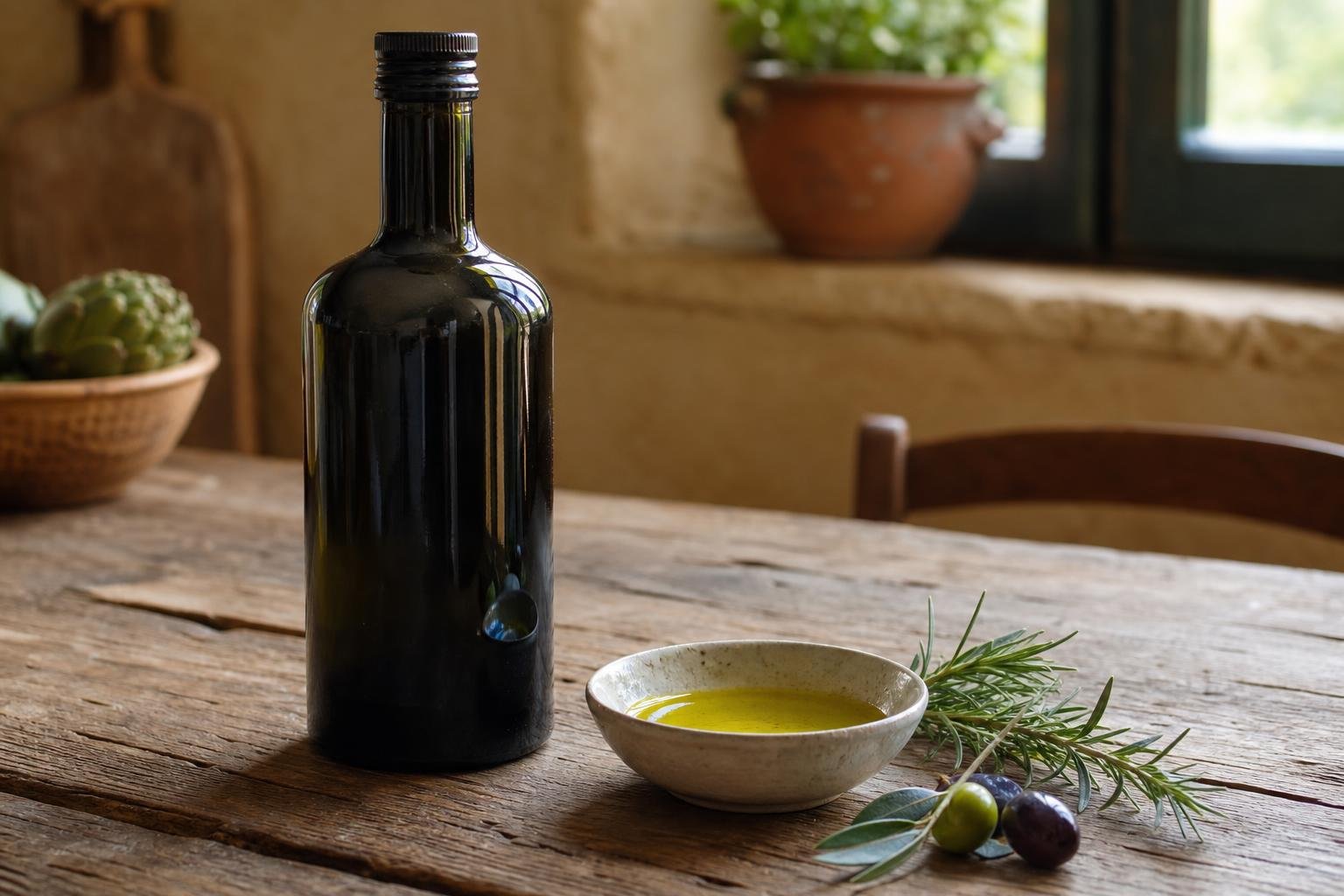
Dark glass or tin packaging — light degrades polyphenols and flavour compounds faster than almost anything else
Red flags are just as useful to know. No harvest date, an unusually low price, vague geographic claims, or a clear plastic bottle — any one of these should make you pause and look for a better option.
Sensory check: pour a small amount into a warmed glass. Quality Tuscan EVOO releases fresh, vegetal aromas — think fresh grass, almond, a hint of artichoke. On the palate, expect some bitterness and that characteristic peppery finish. A flat, odourless, or buttery-smooth oil is rarely the genuine article.
Pasquini Tuscan Olive Oil: Family Production, Tuscan Character
This is where the Pasquini range fits in naturally. Produced with the care typical of smaller family-run operations, Pasquini Tuscan extra virgin olive oil brings the region’s character to everyday cooking — from a morning bruschetta to finishing a bowl of pasta or dressing a simple salad.
How to Use Pasquini Olive Oil in the Kitchen: 10 Simple Ideas for Everyday Meals
If you regularly reach for olive oil in the kitchen — for pasta, for salads, for dipping good bread — having a reliable Tuscan EVOO on the counter makes a real difference. The fruity, slightly peppery profile works especially well as a finishing oil, drizzled just before serving to preserve the aroma and the oil’s natural compounds.
Why Does Pasquini Extra Virgin Olive Oil Taste Different from Supermarket Olive Oils?
Curious how it performs in your kitchen? The product page has all the details you need to decide.
Storing and Using Your Tuscan EVOO Well
Even the best olive oil needs a bit of care once it’s home. Store it away from heat and light — a cupboard away from the hob is ideal. Once opened, aim to use it within three to six months; the flavour softens noticeably after that.
Tuscan EVOO is wonderfully versatile. It works beautifully raw — over salads, on bruschetta, stirred into soups just before serving. It’s also a natural partner for pasta: drizzled over a finished dish, it adds a layer of depth that cooked-in oil simply can’t match. If you’re pairing it with pasta dishes, you might find the article on Basil, Red or Arugula Pesto: Which One to Choose for Pasta? a useful companion or here where you can find a useful article on Types of Italian Pesto: A Guide to Italy’s Best Sauces
In the end, choosing genuine Tuscan extra virgin olive oil is about knowing what to look for — and trusting that the extra few seconds spent reading a label are always worth it. The European Commission’s olive oil standards and Italy’s network of protected designations exist precisely to make that choice easier. Use them.
Frequently Asked Questions
Q: What does «cold-pressed» or «cold extraction» mean on an olive oil label?
A: It means the olives were processed at temperatures below 27°C, which helps preserve polyphenols, aroma, and the natural fruity-peppery flavour profile that defines quality extra virgin olive oil.
Q: Is a DOP or PGI seal on the label worth paying more for?
A: Generally, yes. These EU-protected designations — like Toscano PGI — mean all production stages have been audited and must meet regional standards. They also confirm the olives genuinely came from the stated region, which a simple «product of Italy» label does not.
Q: How long does Tuscan extra virgin olive oil keep once opened?
A: Most quality EVOOs are best used within three to six months of opening. Unopened, they typically stay at their best for 18–24 months from the harvest date — which is why a clearly marked harvest year matters more than just a best-before date.