Pasquini Extra Virgin Olive Oil: Quality, Taste and Everyday Use
Extra virgin olive oil is widely considered the gold standard of culinary oils — and Pasquini extra virgin olive oil represents that tradition at its most focused. According to the International Olive Council, EVOO must be extracted purely by mechanical means, with free acidity no higher than 0.8% and a flawless sensory profile.
Understanding what separates genuine extra virgin olive oil from lesser grades helps you make confident choices — both for your cooking and your table.
What Makes Extra Virgin the Highest Grade?
Not all olive oils are equal. The extra virgin classification is reserved for oils that meet strict chemical and sensory criteria — no heat, no solvents, no chemical refining during extraction.
The result is an oil that retains its natural polyphenols, vitamin E, and aromatic compounds in full. Polyphenols are the bioactive compounds linked to most of EVOO’s widely discussed health associations, including cardiovascular support and antioxidant activity.
Key quality markers to look for:
- Free acidity ≤ 0.8% — the lower, the better; premium oils often reach below 0.3%
- Harvest date on the label — freshness matters; EVOO is best within 12–18 months of harvest
- Dark glass or tin packaging — light degrades polyphenols rapidly
- Single-origin or estate sourcing — traceability signals authenticity
- Sensory profile — a slight peppery finish at the back of the throat indicates healthy oleocanthal content
Culinary Uses: Where Italian EVOO Truly Shines
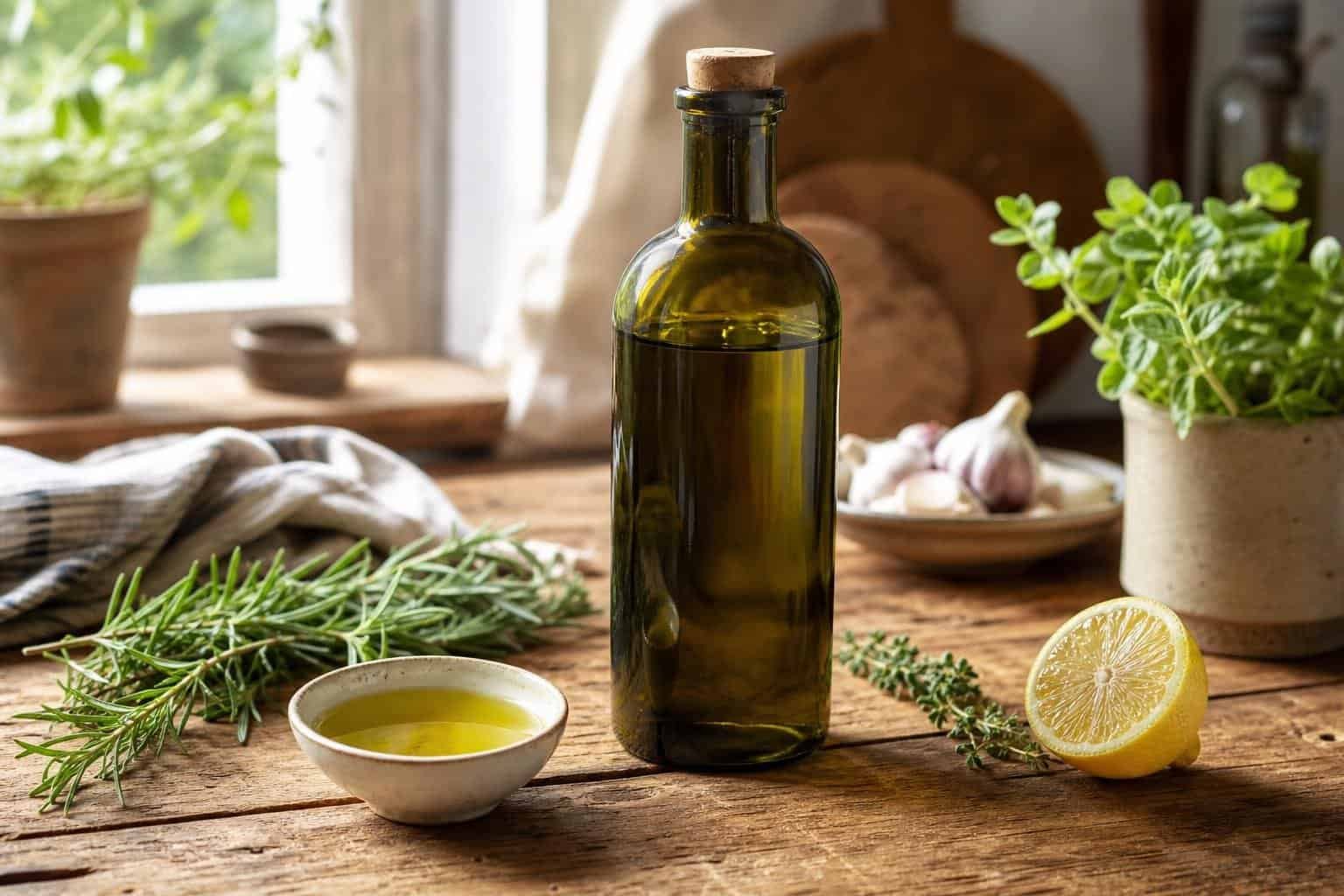
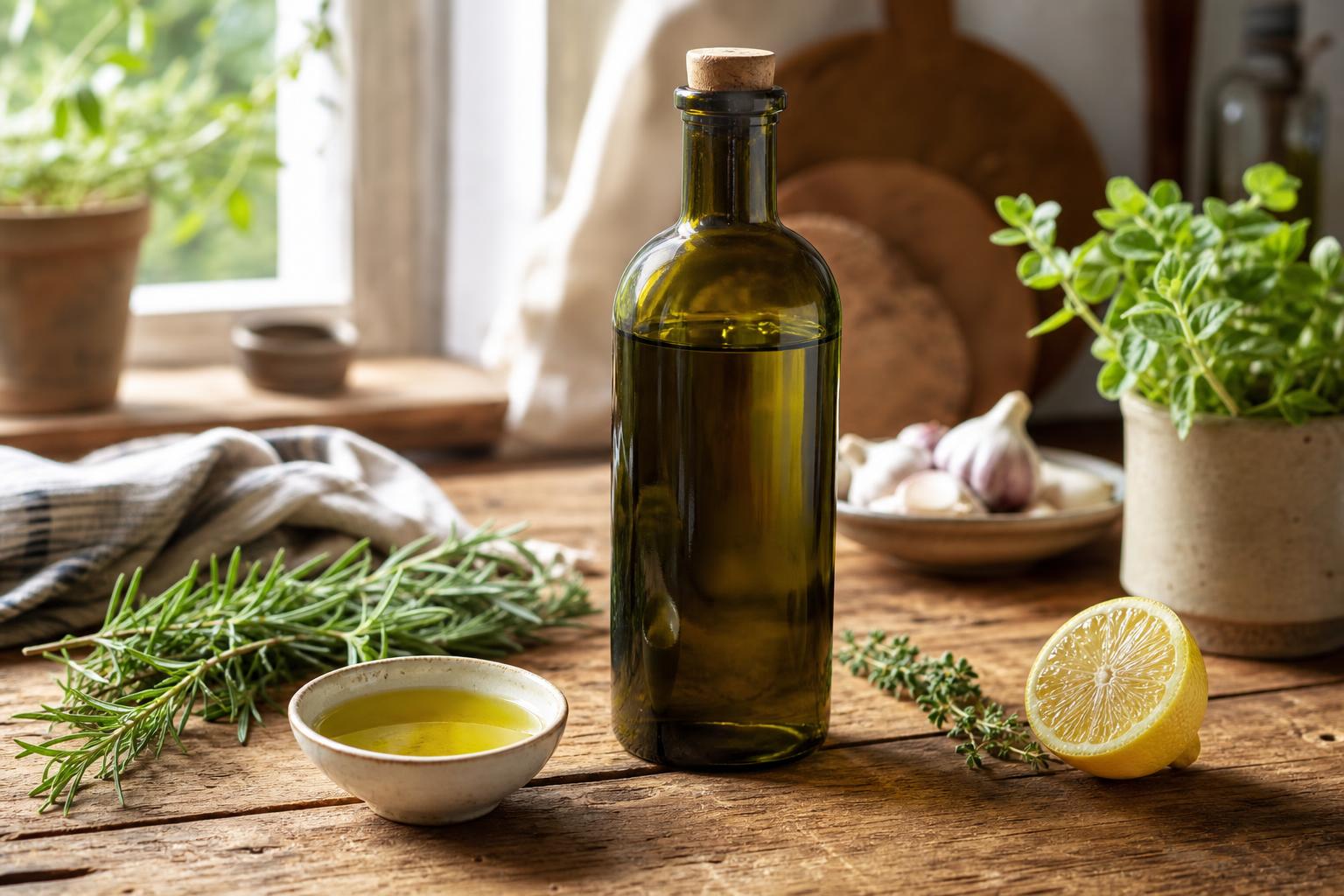
Italian extra virgin olive oil has an almost unmatched range in the kitchen. Its grassy, lightly peppery character works as a finishing oil on salads, grilled vegetables, soups, and bruschetta — where heat preservation is not a concern and every flavour note counts.
It also performs well under moderate heat: sautéing, light pan-frying, and roasting at temperatures up to around 180–190 °C. The myth that extra virgin oil cannot be used for cooking is simply that — a myth, as confirmed by nutritional sources including dietetycy.org.pl.
Practical everyday uses:
- Dressing for salads — drizzled raw to preserve polyphenols
- Base for pasta sauces, pesto, and marinades
- Finishing oil on soups and cream-based vegetable dishes
- Dipping oil for quality bread alongside herbs
- Light sautéing of vegetables and fish
A good Italian EVOO pairs naturally with simple ingredients — a well-made salad dressed in it needs very little else.
Health Associations: What the Research Suggests
Extra virgin olive oil is a cornerstone of the Mediterranean diet, which has been associated with lower risk of cardiovascular disease, oxidative stress, and several chronic conditions. Research compiled at the Kraków University of Economics confirms that olive oil’s high oleic acid content (56–83%) and phenolic compounds contribute to its recognised role in Mediterranean dietary patterns linked to heart and metabolic health.
Key findings from current research include:
- Regular EVOO consumption is associated with reduced LDL oxidation and improved cardiovascular markers
- Polyphenols in genuine extra virgin oil act as antioxidants, helping protect cells from oxidative damage
- Harvard researchers found that consuming around 7 g of olive oil daily may be associated with a reduced risk of dementia-related mortality — though further research is needed
- The Mediterranean diet pattern, with EVOO as its main fat source, is linked with reduced risk of type 2 diabetes and hypertension
These associations apply specifically to genuine extra virgin olive oil — not refined or blended grades. Quality matters.
Pasquini Olive Oil Extra Virgin 3L — For the Kitchen That Takes Olive Oil Seriously
The Pasquini Olive Oil Extra Virgin 3L format is designed for regular, generous use — the kind of cooking where olive oil is not an afterthought but a key ingredient. Whether dressing a salad, finishing a pasta, or simply drizzling over grilled vegetables, having quality Italian EVOO on hand in a practical 3-litre format means it is always within reach.
For those who cook with olive oil daily, the 3L format also means better value without compromising on the extra virgin standard. You can read more about what sets this oil apart in the article on Pasquini Extra Virgin Olive Oil — what to know before buying.
If you use extra virgin olive oil regularly and want a reliable Italian EVOO in a format that keeps up with daily cooking, take a closer look at the details below.
Choosing Well: A Few Final Thoughts on Extra Virgin Olive Oil
Extra virgin olive oil rewards attention. The difference between a well-sourced Italian EVOO and a generic shelf product is noticeable — in flavour, aroma, and in the range of bioactive compounds it retains.
Look for the harvest date, check the acidity level if listed, and prefer dark glass or tin. The International Olive Council’s quality framework, and the body of research it supports, make a clear case: when it comes to olive oil, extra virgin is not just a label — it is a meaningful standard.
Pasquini extra virgin olive oil brings that Italian tradition to everyday cooking in a format that works — whether it ends up on a salad, in a pan, or finishing a dish at the table.