Pralina Italian Pizza Sauce Pecorino: The Secret to a Better Homemade Pizza
If your homemade pizzas have ever tasted a little flat compared to the real thing, the sauce is usually where the answer lies. The Pralina Italian pizza sauce Pecorino addresses that gap directly — combining ripe tomatoes with aged sheep’s milk cheese to deliver a depth of flavour that’s hard to replicate from scratch. According to Great Italian Food Trade, Pecorino Romano DOP has a thousand-year production history shaped by strict specifications — and that character comes through in every spoonful.
What Makes Pecorino Romano Such a Game-Changer in Pizza Sauce?
Pecorino Romano is one of Italy’s oldest cheeses, with roots stretching back more than 2,000 years. Its name comes from the Italian word pecora — meaning sheep — because it is made exclusively from sheep’s milk. That single ingredient makes all the difference in flavour terms.
Unlike cow’s-milk cheeses, sheep’s milk gives Pecorino a naturally sharper, saltier, more intense profile. In younger versions the taste is milder and slightly milky; as it ages (typically around five to eight months for Pecorino Romano), it becomes increasingly salty, peppery, and complex. That depth is precisely what transforms a simple tomato base into something memorable.
The science behind it is straightforward. As viarosaitaly explains, Pecorino delivers a stronger flavour accent and clearer umami without the need for long sauce reductions or extra spices. When proteins in aged cheese break down during maturation, they release glutamates — the same compounds responsible for that satisfying savoury punch that keeps you going back for another slice.
Here is a quick summary of what Pecorino Romano brings to a pizza sauce:
-
Intense umami — aged sheep’s milk proteins create a deep, savoury base
-
Natural saltiness — seasons the sauce without relying on added salt
-
Subtle sharpness — cuts through the acidity of tomatoes and balances the palate
-
Creamy body — helps the sauce cling to the dough rather than pooling
-
Authenticity — ties the recipe directly to the Roman and Central Italian culinary tradition
Pralina Pizza Sauce: What Sets It Apart from Other Ready-Made Options
The market for ready-made pizza sauces is crowded — and most options prioritise convenience over character. The Pralina sos do pizzy (Pralina pizza sauce) takes a different approach by incorporating real Pecorino Romano into the tomato base rather than relying on herbs and sugar to do the heavy lifting.
Most competing products describe ingredients like “pizza sauce with spices” or “Italian-style tomato sauce” without specifying any cheese component. The Pralina formulation integrates Pecorino at the production stage, which means the flavours have time to meld — a bit like how pizza sauce specialists note that tomato sauces deepen noticeably when given time to rest and their components blend properly.
What that means practically:
-
The sauce is ready to spread straight from the jar — no extra seasoning needed
-
You get consistent flavour every time, without the variability of adding cheese yourself
-
The tomato-Pecorino balance is calibrated — neither element overpowers the other
-
It works well on thin-crust, Neapolitan-style, and pan pizzas alike
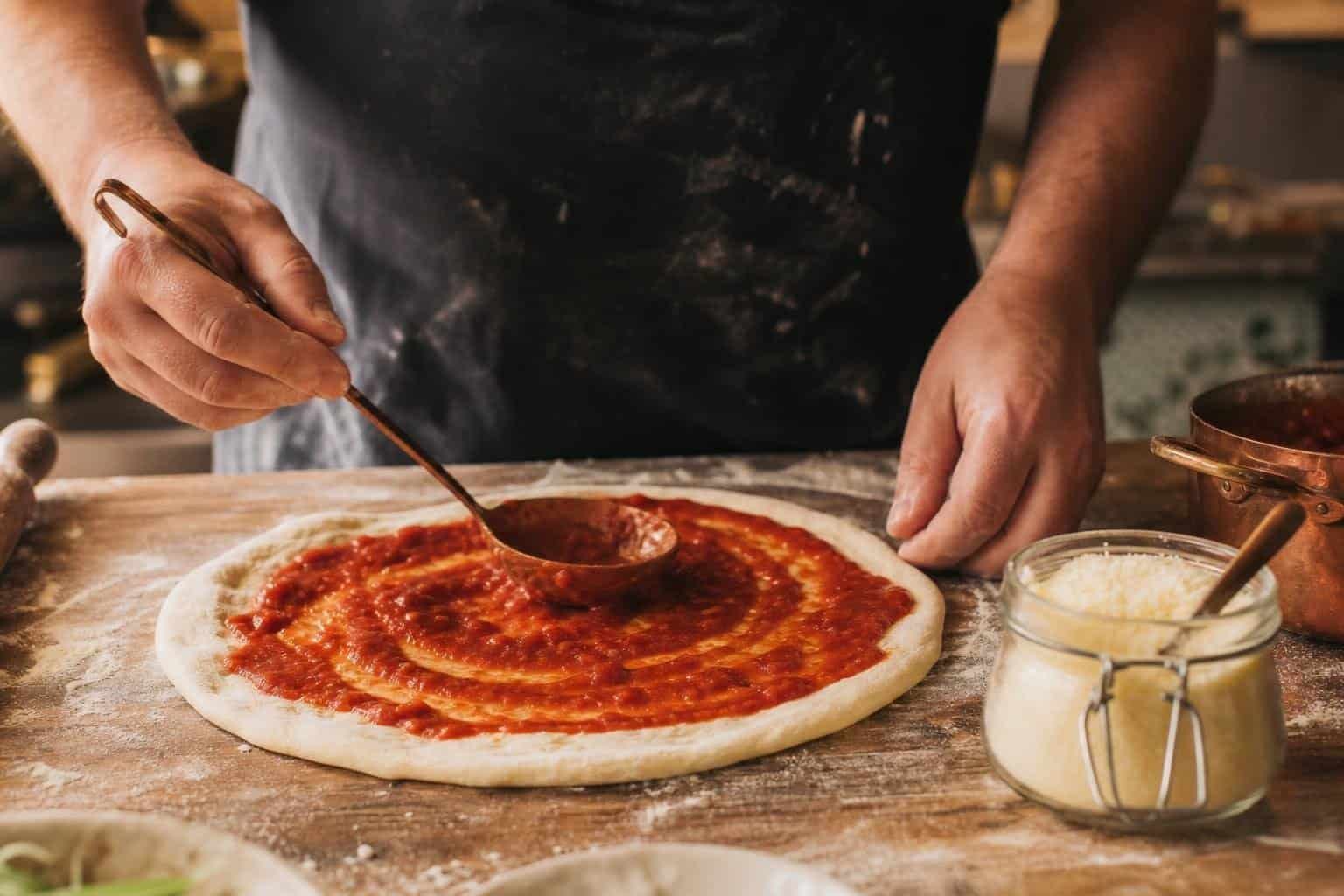
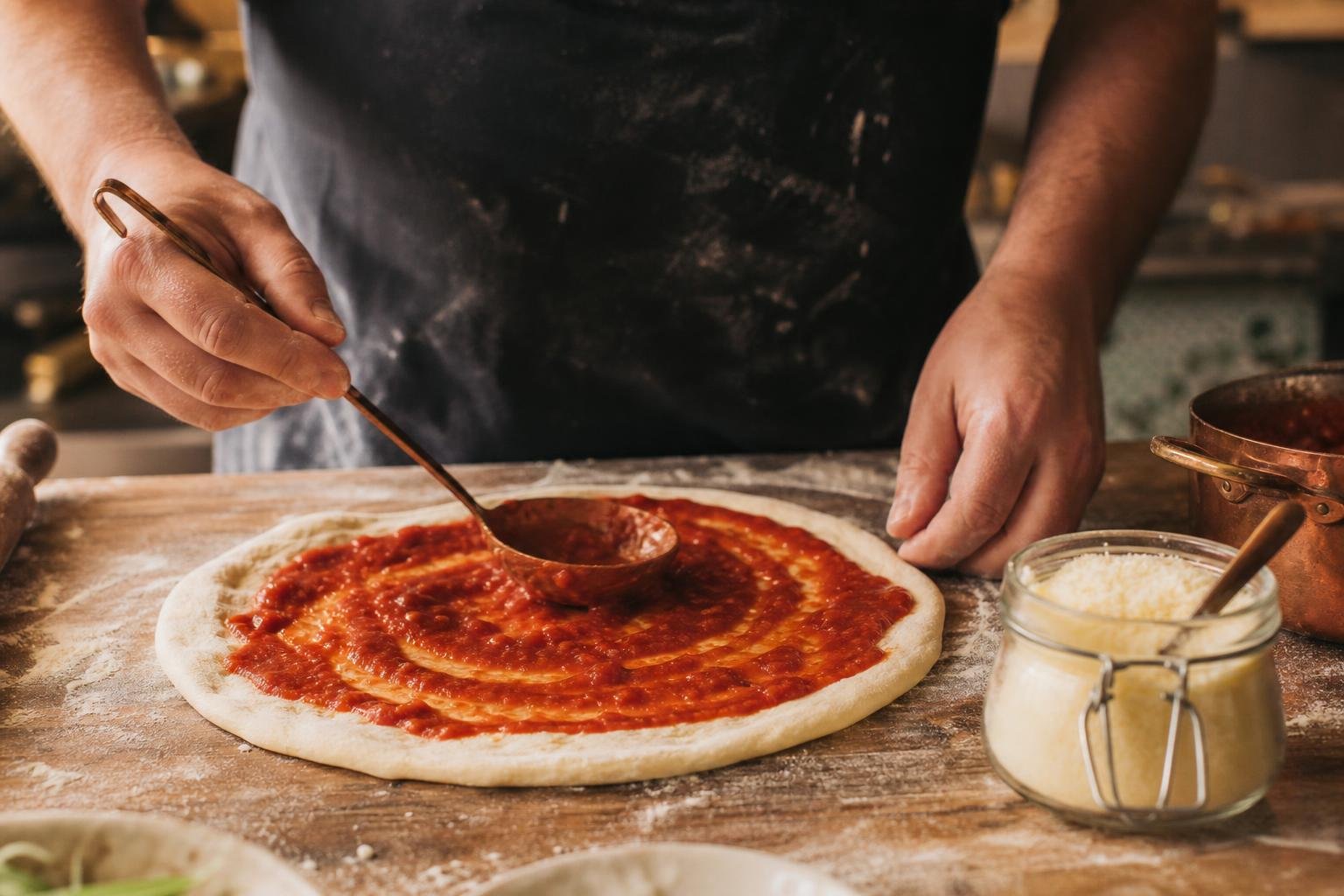
One practical note: once opened, store the Pralina pizza sauce in the fridge and use it within a few days. A standard jar covers two to three medium pizzas, depending on how generously you spread it. If you prefer a bolder flavour, a thin layer of sauce topped with extra grated Pecorino before baking amplifies the effect nicely.
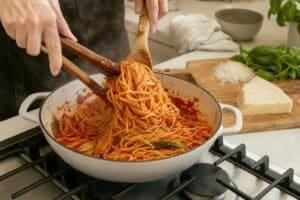
It also goes beyond pizza. The Pralina sos pomidorowy do pizzy works as a bruschetta base, a dipping sauce for focaccia, or a quick pasta sauce when you’re short on time — spread it on flatbreads, use it in baked pasta dishes, or stir it through Mancini pasta for a midweek dinner that tastes far more effort-intensive than it is.
How to Build a Great Pizza Night Around This Sauce
Having a great sauce is the starting point, but the whole pizza experience improves when the other components are chosen thoughtfully. Here are a few practical ways to get the most out of the Pralina sos do pizzy z pecorino:
-
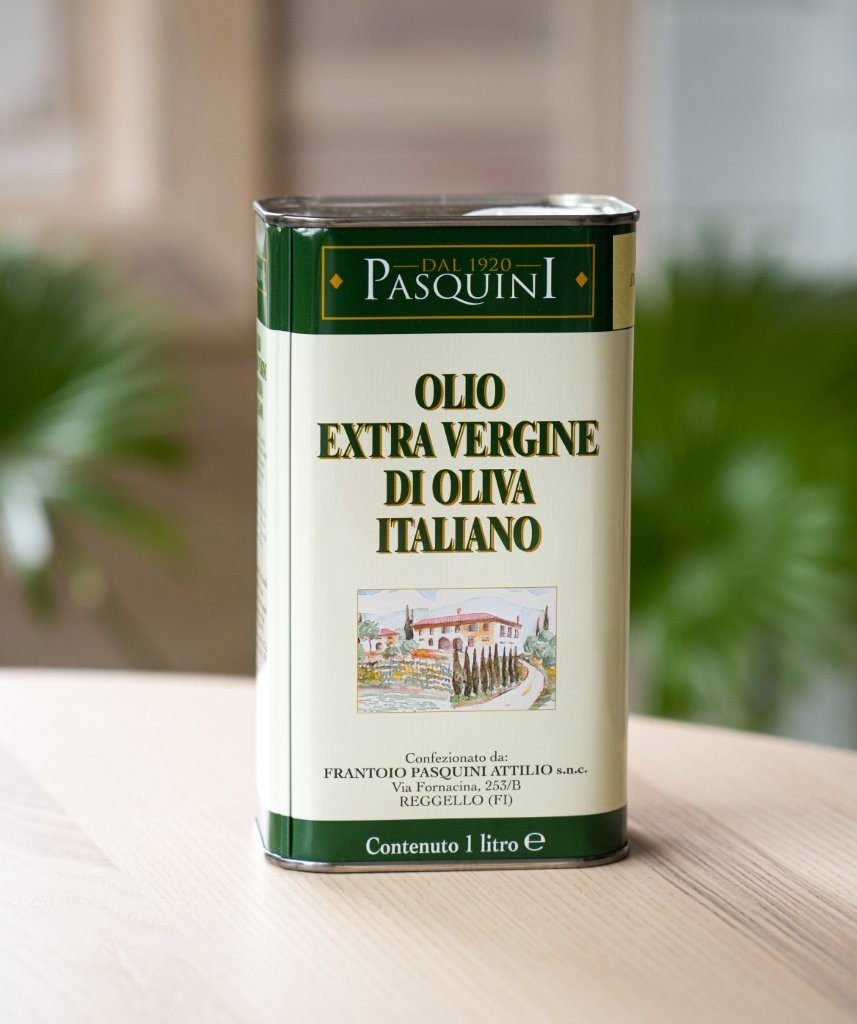
Use quality olive oil on the dough — a drizzle of extra virgin olive oil on the crust edge before baking adds flavour and helps it colour evenly. Not sure which olive oil to reach for? The guide on why Pasquini olive oil tastes different from supermarket brands is a useful starting point.
-
Don’t overload the sauce — a thin, even layer lets the Pecorino flavour come through without making the base soggy
-
Add fresh basil after baking — heat destroys the bright herbal notes; torn leaves added at the end keep the pizza feeling fresh
-
Finish with a light grating of extra Pecorino — if you enjoy a sharper finish, a small amount on top just before serving makes a real difference
-
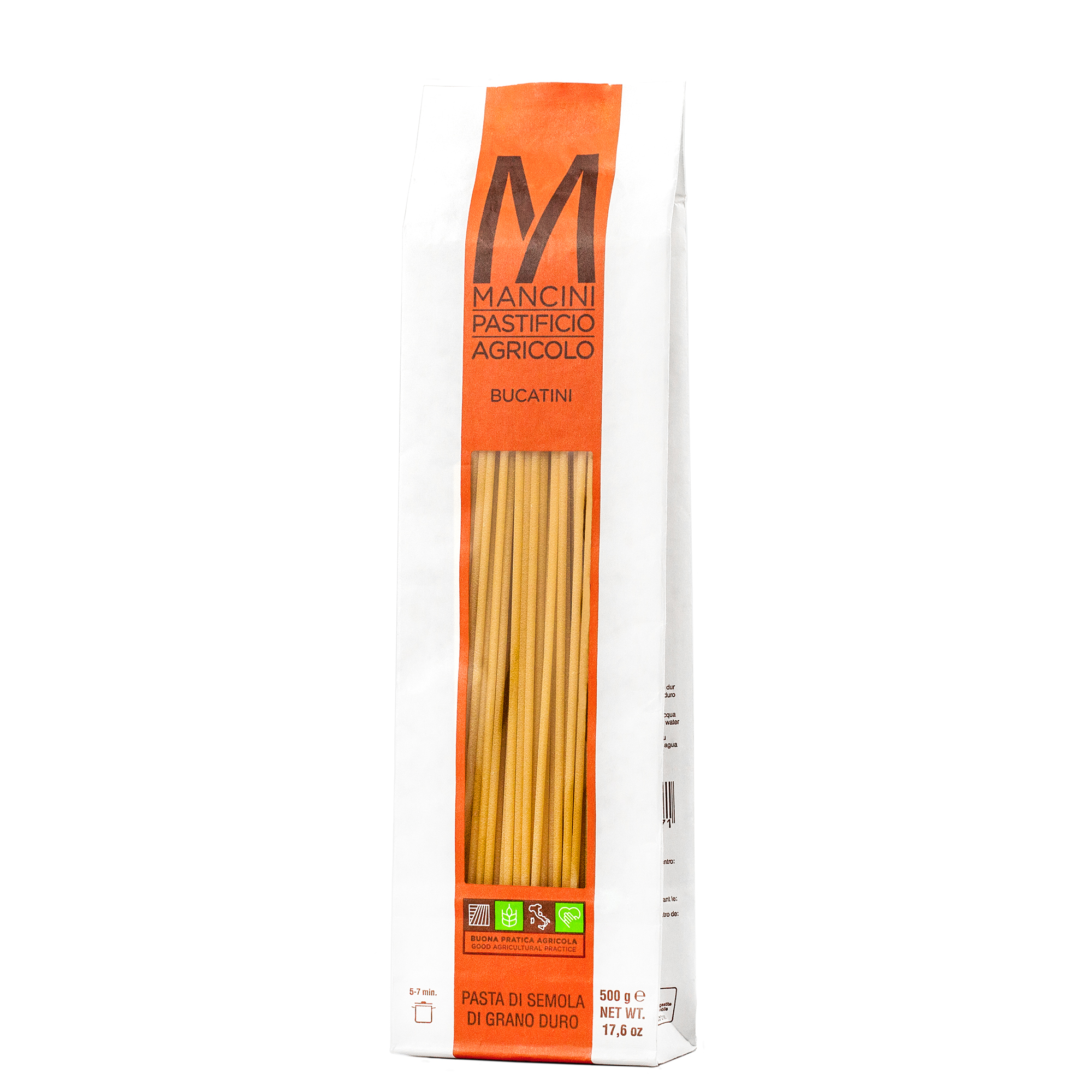
Try it on pasta — Mancini Bucatini is an excellent match; the thick hollow tubes hold the tomato-Pecorino sauce well and turn a simple midweek meal into something genuinely satisfying
Roman cooking has long understood this combination. As the food culture site Flavor of Italy notes, the four great Roman pasta dishes — Cacio e Pepe, Gricia, Carbonara, Amatriciana — all use aged Pecorino Romano as their primary cheese, and the tomato-based Amatriciana is essentially the direct ancestor of the flavour profile you find in this sauce.
The Pralina Range: Sauce, Pasta, and Olive Oil Together
The Pralina pizza sauce is a strong standalone product, but it works even better as part of an Italian larder that covers the essentials. Paired with a quality pasta and a well-sourced olive oil, you have the building blocks for a genuinely Italian-style meal — whether that’s a pizza night, a quick pasta dish, or something more involved at the weekend.
All three products below complement each other well and are worth keeping in the kitchen together.

A Sauce Worth Having in Your Kitchen Rotation
The Pralina italian sauce for pizza:
For anyone who enjoys making pizza at home, having a reliable tomato sauce on hand can make all the difference. Pralina’s Italian Pizza Sauce with Pecorino Romano is an interesting option for those looking to add a little more depth and character to homemade pizzas.
What makes this sauce stand out is the addition of Pecorino Romano, the traditional Italian sheep’s milk cheese known for its distinctive salty, sharp and aromatic profile. Pecorino Romano has a history stretching back more than 2,000 years, with references to its production and use in ancient Roman times
You don’t need to spend an afternoon making sauce from scratch every time you want a good pizza. The Pralina sauce handles the hard work — and leaves you free to focus on the dough, the toppings, and the people you’re cooking for.
Frequently Asked Questions
Q: What type of pizza suits Pralina pizza sauce with Pecorino best?
A: It works well across most styles — thin-crust, Neapolitan, and pan pizza all benefit from the sauce’s balanced tomato-Pecorino flavour. Its consistency suits both home ovens and pizza stones.
Q: Can Pralina pizza sauce be used for pasta dishes?
A: Yes — it makes a quick, flavourful base for pasta. Mancini Bucatini is a particularly good match, as the thick hollow tubes hold the sauce well and the Pecorino flavour holds up to boiling and tossing.
Q: How does Pecorino Romano differ from Parmesan in pizza sauce?
A: Pecorino Romano is made from sheep’s milk and tends to be saltier and sharper than Parmesan, which uses cow’s milk. That extra intensity means less cheese is needed to achieve a noticeable flavour impact in a tomato-based sauce.