10 Ways to Use Prickly Pear Jam in the Kitchen — Ideas for Every Meal
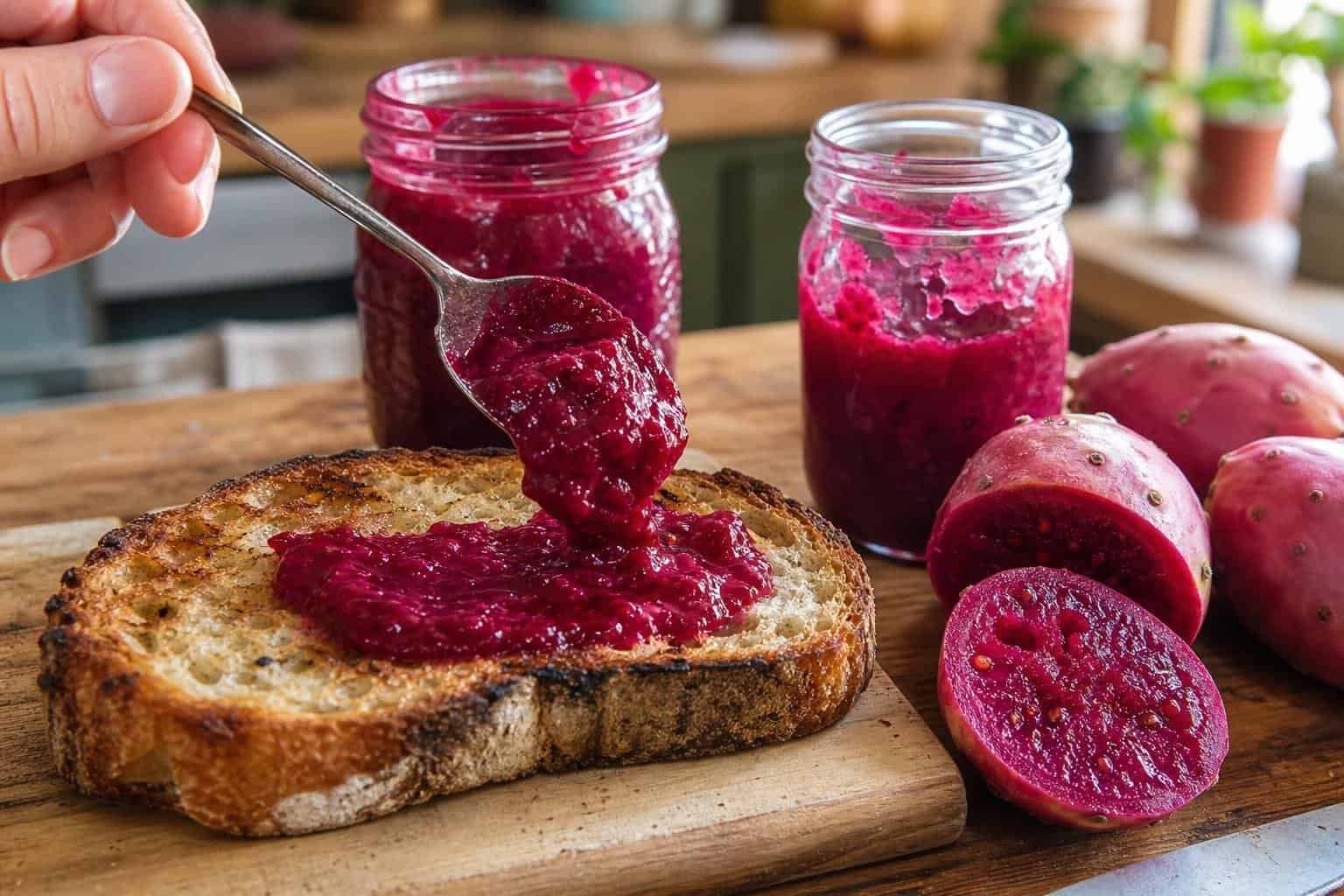
Prickly pear jam is one of those preserves that tends to surprise people the first time they open a jar. Its flavour — somewhere between honeydew melon, ripe pear, and watermelon, with occasional notes of kiwi or lychee — is genuinely distinctive. The deep fuchsia colour alone makes it a standout on any table. Yet for all its visual drama, it is also a remarkably versatile ingredient, and Healthline notes that prickly pear fruit is rich in fibre, antioxidants, and key minerals including magnesium, potassium, and calcium — qualities that carry through, to a degree, into a quality preserve.
This guide covers ten practical, tested ideas for working konfitura extra z opuncji figowej Parente — or any artisan-grade prickly pear jam — into your everyday and occasion cooking.
Understanding the Flavour Profile First
Before choosing how to use prickly pear jam, it helps to understand what you are working with. The fruit’s flavour sits at a gentle crossroads: subtly sweet, lightly tropical, and faintly earthy. It is not as sharp as redcurrant or as robust as fig. That makes it approachable — it bridges sweet and savoury applications without overwhelming either direction.
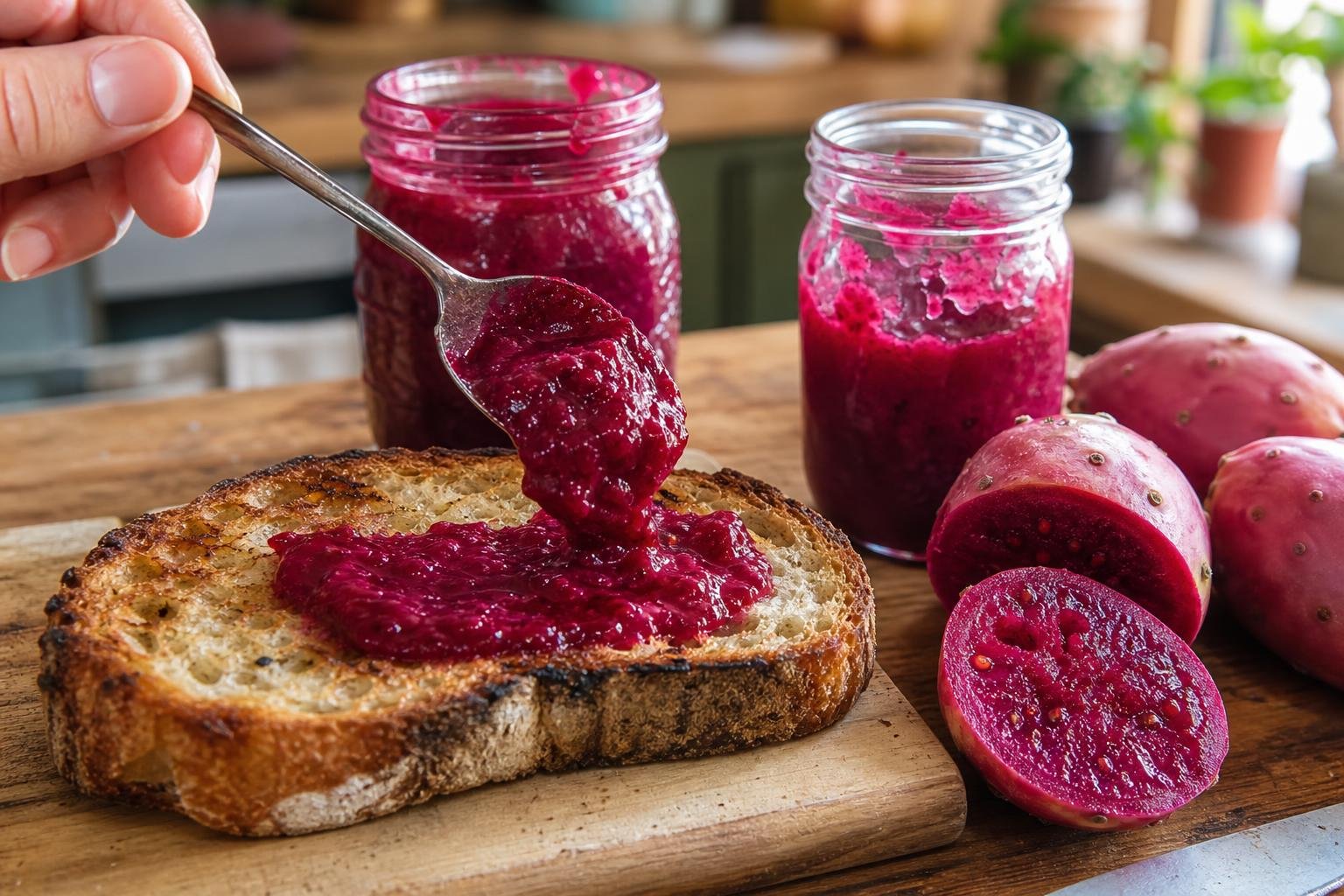
The colour is worth noting separately. The deep magenta comes from betalain pigments — the same antioxidant compounds found in beetroot. According to nutrition data compiled at Nutrition-and-You, fresh prickly pear provides around 24% of the daily recommended intake of vitamin C per 100 g, alongside meaningful amounts of magnesium (21% DV) and copper (10% DV). A well-made preserve retains some of this nutritional character.
That vivid colour also means it can do visual work on a plate. A smear or spoonful adds immediate visual contrast to anything pale — from cream cheese to pork loin.
- Sweet pairings: soft cheeses, yoghurt, oatmeal, pastry, dark chocolate
- Savoury pairings: grilled meats, game, charcuterie, blue cheese, mustard-based sauces
- Drinks and desserts: cocktails, vinaigrettes, glazes, sorbets
10 Kitchen Ideas — From Breakfast to the Dinner Table
The following applications move from the simplest to the more technique-driven. All of them require nothing more than a jar of good prickly pear jam and basic kitchen equipment.
1. Morning Toast and Pastry
The most direct use — spread on toasted sourdough, a warm croissant, or a soft brioche. The jam’s gentle sweetness works especially well alongside a layer of unsalted butter or a thin spread of mild goat’s cheese. For a slightly more composed breakfast, spoon it over a flaky croissant filled with soft chèvre.
2. Yoghurt, Granola, and Overnight Oats
Stir a tablespoon into thick Greek yoghurt with a handful of granola and toasted almonds. The jam adds colour and a tropical sweetness that complements the tartness of the yoghurt. It also works well swirled through overnight oats with chia seeds — a combination that balances textures and flavour without added sugar.
3. Cheeseboards and Antipasti
Prickly pear jam holds its own on a serious cheeseboard. It pairs well with blue cheeses, aged pecorino, and strong washed-rind varieties — the jam’s sweetness cuts through sharpness and salinity in the same way as quince paste or honey, but with a distinctly different aromatic register. Serve alongside walnuts or hazelnuts for textural contrast.
For a broader Italian table, pair with cured meats and place next to a good drizzle of extra virgin olive oil. You can read more about building that kind of composed Italian spread in this guide: How to Build an Authentic Italian Meal.
4. Meat Glaze — Pork, Chicken, and Duck
This is where prickly pear jam moves decisively into savoury territory. Brush a generous layer over pork tenderloin, duck breast, or chicken thighs 20 minutes before the end of roasting. The sugars caramelise into a lacquered finish; the fruity acidity balances the fat in the meat.
For a more complex glaze, combine the jam with Dijon mustard, a sprig of thyme, and a splash of white wine or apple cider vinegar. The result is close in spirit to a French-style fruit jus — without the reduction time.
5. Asian-Inspired Marinade
Mix prickly pear jam with garlic, soy sauce, and a small amount of fresh ginger. Use as a marinade for chicken thighs, pork ribs, or firm tofu before grilling. The jam’s tropical notes carry well in this context — the result is sweet-savoury with a slight umami depth. Sesame oil added at the finish rounds the marinade out.
6. Game and Venison Accompaniment
Strong-flavoured meats — venison, wild boar, hare — benefit from a fruit-based counterpoint. Prickly pear jam works here in the same way as redcurrant or lingonberry, but with a softer sweetness. Combine with juniper berries and cracked black pepper to make a quick pan sauce: deglaze the rested meat’s pan with a splash of red wine, add two tablespoons of jam, a few crushed juniper berries, and reduce briefly.
7. Burger and Sandwich Condiment
Used in place of ketchup or relish, prickly pear jam adds both flavour and colour to a gourmet burger. It pairs particularly well with blue cheese, rocket (arugula), and caramelised onion. A small jar on the table lets guests add it themselves — it tends to generate questions and conversation in equal measure.
8. Salad Dressing and Vinaigrette
Whisk one teaspoon of jam into a standard vinaigrette alongside white wine vinegar, olive oil, and a pinch of salt. The jam acts as both sweetener and emulsifier. This works particularly well over bitter greens — radicchio, frisée, endive — or a simple rocket and walnut salad. A quality extra virgin olive oil makes the dressing significantly better; the guide on using Pasquini olive oil in the kitchen covers the fundamentals of olive oil selection for everyday dressings.
9. Cocktails, Mocktails, and Drinks
Prickly pear jam dissolves readily into cold liquids when shaken or stirred. Stir a spoonful into sparkling water with a squeeze of lime for a quick non-alcoholic drink, or shake it with tequila, lime juice, and ice for a prickly pear margarita. The colour it lends to a glass is remarkable — a deep rose-to-magenta that requires no artificial enhancement. A small teaspoon also works well stirred into Prosecco or a light sparkling wine.
10. Tart and Pastry Filling
Spread prickly pear jam as a base layer in a shortcrust tart before adding a frangipane or custard filling. It can also be used as a filling between sponge cake layers — the colour contrast when the cake is sliced is striking. A simpler application: spread it over puff pastry, fold into turnovers, and bake. Dust with icing sugar to finish.
Selecting and Storing a Quality Prickly Pear Preserve
Not all prickly pear jams are equal. A confitura extra designation — the Italian equivalent of an extra-grade fruit preserve — typically indicates a higher fruit content and less added sugar than standard commercial jams. Look for a product where the fruit is listed as the primary ingredient, with a short and legible ingredient list.
Storage is straightforward. An unopened jar kept in a cool, dark place is stable for many months. Once opened, refrigerate and use within three to four weeks for the best flavour. The betalain pigments responsible for the colour can fade slightly over time once exposed to light and air — this is normal and does not affect taste or safety.
- Choose jams with high fruit content and minimal additives
- Prefer artisan producers with transparent sourcing — Sicilian and Southern Italian prickly pear (called ficodindia) is among the most established in Europe
- Store opened jars refrigerated and covered; use within 3–4 weeks
- Avoid prolonged exposure to direct light, which can fade the natural colour
Conclusion: A Jar Worth Keeping on Hand
Prickly pear jam rewards culinary curiosity. Its flavour is unusual enough to be interesting and gentle enough to be versatile — it fits as naturally alongside a morning bowl of yoghurt as it does brushed over a roasting duck. The key is approaching it as an ingredient rather than a simple spread.
Whether you reach for it as a glaze, a dressing component, a cheeseboard anchor, or the base of a quick pan sauce, konfitura extra z opuncji figowej Parente consistently brings both colour and a genuinely distinctive flavour to the table. Practical Self Reliance sums up the range neatly: spread it on toast or biscuits, melt it down as a glaze for pork or grilled chicken, or pair it with goat cheese and crackers — and that list barely scratches the surface.
Once you start experimenting, it tends to find its way into more places than you expected.
FAQ
Q: What does prickly pear jam taste like?
A: Prickly pear jam has a subtly sweet, lightly tropical flavour — often described as a cross between melon, watermelon, and kiwi, with a faint earthiness and no sharp acidity.
Q: Can prickly pear jam be used in savoury cooking?
A: Yes — it works well as a meat glaze, in marinades with soy sauce and ginger, as a component in vinaigrettes, and alongside game or cured meats on a cheeseboard. Its moderate sweetness bridges sweet and savoury applications effectively.
Q: What cheeses pair best with prickly pear jam?
A: Blue cheeses, aged pecorino, goat’s cheese, and washed-rind varieties are the strongest pairings. The jam’s sweetness contrasts well with salty or pungent cheeses, in a similar role to quince paste or honey.