Dlaczego oliwa z oliwek extra virgin Pasquini smakuje inaczej niż oliwy z supermarketu?
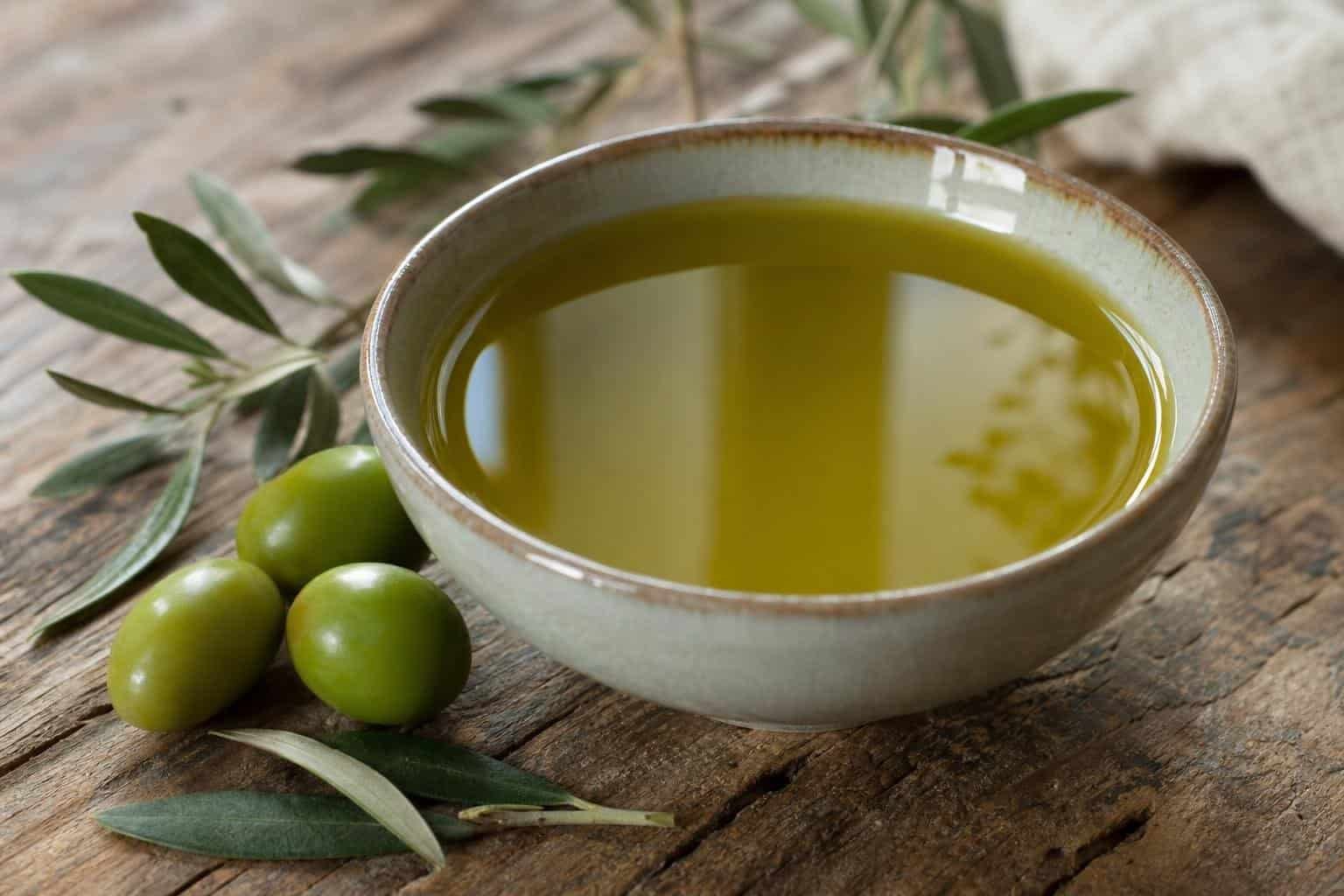
Oliwa z oliwek extra virgin Pasquini: Nalej łyżkę oliwy extra virgin Pasquini i porównaj ją z typową butelką z supermarketu — różnica jest natychmiastowa. Jedna jest żywa, trawiasta, z przyjemną pieprzną nutą w gardle. Druga jest płaska, niemal neutralna. Ta przepaść nie jest przypadkowa ani wynikiem samego marketingu. Consorzio Olio Toscano IGP — oficjalny organ nadzorujący toskańską oliwę PGI — opisuje autentyczną toskańską EVOO jako oferującą zielone, roślinne aromaty, okrągłe wykończenie i charakterystyczną gorzko-pikantną nutę, która zawsze jest obecna. Pasquini dostarcza dokładnie tego. Oto dlaczego.
Skąd pochodzi Pasquini — i dlaczego miejsce ma znaczenie
Pasquini to rodzinny olejarnia w Reggello, małym miasteczku w dolinie Valdarno w Toskanii, około 30 km na południe od Florencji. Młyn produkuje oliwę od 1920 roku — ponad stulecie praktycznej ekspertyzy w tym samym krajobrazie pagórków i gajów oliwnych.
Ten krajobraz odgrywa ogromną rolę. Toskania posiada ponad 80 rodzimych odmian oliwek sklasyfikowanych wzdłuż pasów przybrzeżnych i terenów wzgórzowych, każda ukształtowana przez własny mikroklimat i glebę. Ta bioróżnorodność, odnotowana przez toskański urząd turystyczny Visit Tuscany, jest właśnie powodem, dla którego oliwy z tej części Włoch mają tak wyrazisty charakter w porównaniu z mieszanymi oliwami z wielu krajów dostępnymi na sklepowej półce.
Większość dużych komercyjnych marek miesza oliwy z kilku krajów — Hiszpanii, Grecji, Tunezji, Włoch — aby uzyskać spójny, neutralny smak przy jak najniższych kosztach. Efekt jest często poprawny, ale niezapomniany. Włoska oliwa z oliwek Pasquini pochodzi z jednego miejsca, z rodzimych odmian, w tym Frantoio, Leccino i Moraiolo, i smakuje właśnie tak.
Toskańska EVOO posiada status Chronionego Oznaczenia Geograficznego (PGI) od 1998 roku. Oznacza to, że każdy etap — od zbioru przez tłoczenie po butelkowanie — musi odbywać się w Toskanii, zgodnie ze ścisłymi zasadami produkcji.
[IMAGE: rustic Tuscan hillside olive grove in soft morning light, rows of silver-green olive trees on gentle slopes, a small stone farmhouse in the background, candid travel photography feel, no text]
Co sprawia, że smak jest tak żywy — rola polifenoli
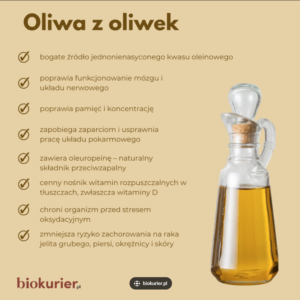
Najważniejsza różnica smakowa między oliwą rzemieślniczą a supermarketową wynika z polifenoli — naturalnie występujących związków antyoksydacyjnych, które nadają wysokiej jakości EVOO goryczkę, pieprzne wykończenie i złożoność. W oliwie z oliwek występuje ponad 30 różnych typów polifenoli; jeden kluczowy związek, oleuropeina, jest w dużej mierze odpowiedzialny za gorzką nutę i oferuje właściwości antyoksydacyjne oraz potencjalnie przeciwzapalne, zgodnie z badaniami opisanymi w przewodniku McEvoy Ranch po polifenolach w EVOO.
To pieprzne uczucie w gardle, gdy smakujesz dobrą EVOO? To oleokantal — kolejny polifenol i wiarygodny sygnał jakości. Europejski Urząd ds. Bezpieczeństwa Żywności uznaje korzyści sercowo-naczyniowe polifenoli oliwnych, gdy oliwa dostarcza co najmniej 5 mg hydroksytyrozolu na 20 ml.
Oliwa z zbiorów 2024/2025 Pasquini osiągnęła zawartość polifenoli na poziomie 502 mg/kg — wysoki wynik przekładający się bezpośrednio na śmiały, żywy profil smakowy. Dla porównania, wiele supermarketowych EVOO zawiera znacznie mniej, częściowo dlatego że:
Są często produkowane z oliwek zebranych późno, gdy poziom polifenoli jest niższy
Mieszanie z wielu źródeł rozcieńcza wyraziste związki smakowe
Długie łańcuchy dostaw i magazynowanie degradują polifenole w czasie
Ekspozycja na światło i ciepło dodatkowo zmniejsza zawartość antyoksydantów, zanim butelka do Ciebie dotrze
Wiele butelek nie ma daty zbioru, co uniemożliwia weryfikację świeżości
Oliwy z wczesnych zbiorów — oliwki zbierane przed pełną dojrzałością — zazwyczaj zawierają najwyższe poziomy polifenoli. Oliwki Pasquini są zbierane ręcznie w idealnym momencie i tłoczone na zimno w ciągu kilku godzin od zbioru, co pomaga zachować intensywność smaku i wartości odżywczych.
Tłoczenie na zimno, niska kwasowość i rzemiosło kryjące się za butelką
Sposób przetwarzania oliwek po zbiorze ma ogromne znaczenie. Tłoczenie na zimno w niskich temperaturach zachowuje lotne związki aromatyczne, które nadają oliwie trawiasty, ziołowy i owocowy charakter. Ciepło — stosowane w tańszych metodach ekstrakcji — niszczy te same związki, pozostawiając neutralną, mniej interesującą oliwę.
Kwasowość to kolejny wiarygodny wskaźnik jakości. Zbiory 2024/2025 Pasquini osiągnęły zaledwie 0,20% wolnej kwasowości — znacznie poniżej progu 0,8% wymaganego prawnie do klasyfikacji extra virgin i silny wskaźnik świeżych, starannie obsługiwanych oliwek. Niska kwasowość oznacza, że oliwki były zdrowe i szybko przetworzone po zbiorze. Wysoka kwasowość natomiast często sygnalizuje uszkodzone lub przejrzałe owoce lub oliwę, która zbyt długo czekała na przetworzenie.
Jeśli chcesz wiedzieć, czego szukać przy zakupie autentycznej toskańskiej EVOO — poza butelką Pasquini — nasz przewodnik o tym, jak rozpoznać prawdziwą toskańską oliwę extra virgin, omawia kluczowe sygnały na etykiecie i w kieliszku.
Krótkie podsumowanie tego, co odróżnia oliwę rzemieślniczą od typowej butelki z supermarketu:
Jedno pochodzenie — jeden region, jeden producent, możliwa do śledzenia proweniencja
Rodzime odmiany — Frantoio, Leccino, Moraiolo i inne toskańskie odmiany o wyrazistym smaku
Wczesny zbiór ręczny — wyższa zawartość polifenoli, bardziej żywy smak
Tłoczenie na zimno w ciągu kilku godzin — zachowane aromaty i składniki odżywcze
Niska kwasowość (<0,5%) — znak świeżych, nieuszkodzonych oliwek
Data zbioru na etykiecie — wiesz, co naprawdę kupujesz
Jak w pełni wykorzystać oliwę Pasquini
Oliwa o tak wyrazistym smaku zasługuje na zastosowanie tam, gdzie najlepiej błyszczy. Śmiały, ziołowy charakter oliwy Pasquini sprawdza się najlepiej jako oliwa wykończeniowa — skropiona na dania tuż przed podaniem, a nie gotowana intensywnie w wysokiej temperaturze.
Kilka prostych sposobów na jej wykorzystanie:
Skrop ciepłą miskę ribollity, minestrone lub fasolowej zupy — oliwa rozkwita w cieple
Użyj jako oliwy do maczania z dobrym chrupiącym pieczywem
Dopraw prostą sałatkę z pomidorów i bazylii — pieprzne wykończenie podnosi całość
Polej grillowane ryby, pieczone warzywa lub miękki ser
Wykończ talerz makaronu hojnym polejem tuż przed jedzeniem
Skoro mowa o makaronie — jeśli myślisz o łączeniu tej oliwy z czymś godnym uwagi, warto zajrzeć do przewodnika po rodzajach makaronu Mancini, gdzie znajdziesz pomysły na dopasowanie właściwego kształtu do odpowiedniego dania.
Praktyczna wskazówka: przechowuj butelkę z dala od bezpośredniego światła i ciepła. Polifenole degradują się pod wpływem światła i tlenu, więc ciemna szafka jest lepsza niż parapet. Używaj oliwy w ciągu kilku miesięcy od otwarcia, aby cieszyć się najlepszym smakiem.
Podsumowanie — co tak naprawdę smakujesz
Gdy oliwa extra virgin Pasquini smakuje inaczej niż butelka z supermarketu, nie ma w tym żadnej tajemnicy. To wynik konkretnego miejsca — wzgórz Valdarno w Toskanii — rodzimych odmian z wiekami lokalnej adaptacji, oliwek zbieranych ręcznie w odpowiednim momencie, tłoczenia na zimno w ciągu kilku godzin i starannej dbałości o każdy etap od gaju do butelki. Te 502 mg/kg polifenoli, 0,20% kwasowości, natychmiastowy zielono-złoty kolor — wszystko opowiada tę samą historię.
Supermarketowe oliwy są często projektowane z myślą o trwałości na półce i neutralnym smaku, który nikogo nie urazi. Włoska oliwa Pasquini jest stworzona, by smakować jak konkretne miejsce, zebrana w określonym momencie — i to naprawdę coś innego, co warto mieć w swojej kuchni. Przewodnik McEvoy Ranch po polifenolach ujmuje to trafnie: oliwy z wczesnych zbiorów w ochronnych opakowaniach zachowują więcej tego, co sprawia, że świeża oliwa z oliwek jest w ogóle warta używania. Pasquini spełnia oba warunki.
Często zadawane pytania
P: Dlaczego dobra oliwa extra virgin smakuje gorzko i pieprzno — czy to normalne?
O: Tak, całkowicie normalne i właściwie pozytywny znak. Ta goryczkę i łaskotanie w gardle wywołują polifenole, takie jak oleuropeina i oleokantal — oba związane z antyoksydacyjną jakością świeżej oliwy o wysokiej zawartości polifenoli.
P: Jak rozpoznać, czy oliwa jest naprawdę toskańska, a nie mieszanką?
O: Szukaj konkretnego miejsca pochodzenia na etykiecie (nie tylko „Produkt Włoch"), daty zbioru, niskiej kwasowości (najlepiej poniżej 0,5%) oraz certyfikatu PGI lub DOP, jeśli jest obecny. Oliwy single-estate od znanych producentów takich jak Pasquini to Twój najbezpieczniejszy wybór.
P: Czy najlepsza oliwa extra virgin musi być droga?
O: Niekoniecznie najdroższa na półce, ale rzemieślnicza oliwa z jednego źródła kosztuje więcej niż przemysłowe mieszanki — bo produkcja jest staranniejsza, a plony mniejsze. Pomyśl o tym jak o winie: pochodzenie, odmiana i rzemiosło mają ogromny wpływ na ostateczny smak.