True Tuscan Extra Virgin Olive Oil: How to Choose, Use, and Taste the Real Thing
Not all extra virgin olive oil is created equal — and once you taste a genuinely fresh Tuscan bottle, the difference is hard to ignore. Tuscan extra virgin olive oil is among the most prized in the world, known for its bold, peppery finish and high polyphenol content, and according to International Olive Council standards published by UC Agriculture and Natural Resources, true extra virgin must have zero taste defects, positive fruity attributes, and free acidity below 0.8% — the highest quality tier in olive oil classification.
What Makes Tuscan EVOO Different from the Rest?
Tuscany’s extra virgin olive oil has a character all its own. The region is home to around 363 farms pressing EVOO, and the dominant olive variety — Frantoio — appears in almost every authentic Tuscan blend. Alongside it you’ll typically find Moraiolo and Leccino, each bringing something distinct to the bottle.
Frantoio gives a fruity, medium-intensity base. Moraiolo cranks up the bitterness and spice — a sign of high polyphenol levels. Leccino softens the blend into something more approachable. Together, they create the layered, slightly grassy, throat-tingling profile that Tuscan oils are famous for.
That peppery finish isn’t a flaw. It’s oleocanthal — a naturally occurring polyphenol with anti-inflammatory properties studied at the molecular level. The more pronounced the tingle, the higher the phenolic content of the oil you’re tasting.
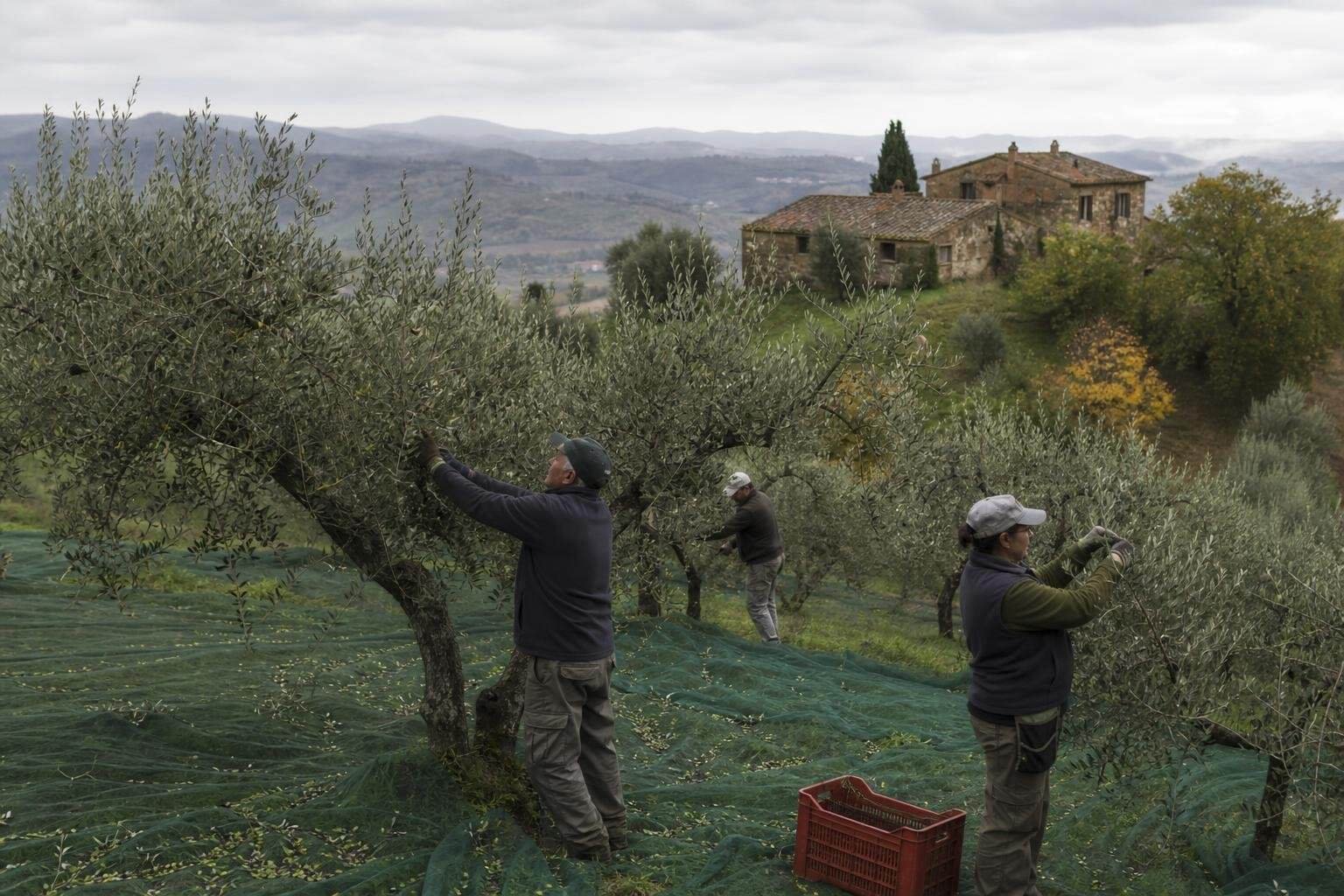
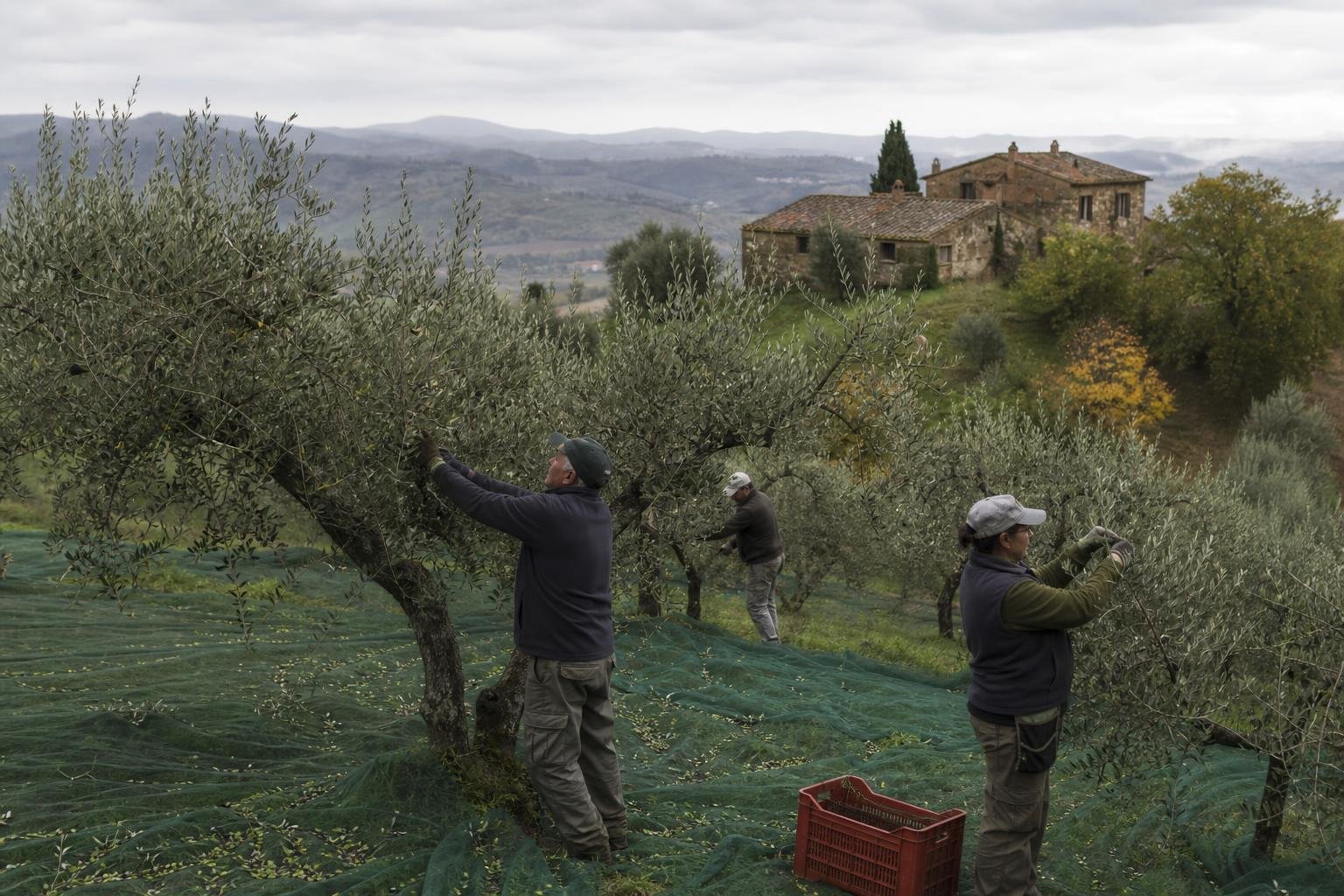
Early harvest matters too. Olives picked in late October, while still slightly underripe, yield oil with higher polyphenol concentrations than fruit left on the tree into November or December. This is why reputable Tuscan producers publish their harvest dates — it’s one of the most honest signals of quality.
- Frantoio: fruity, aromatic, medium bitterness — the Tuscan backbone
- Moraiolo: intensely bitter and peppery, very high in polyphenols
- Leccino: milder and more delicate, balances the blend
- Early harvest: greener olives, more polyphenols, longer shelf stability
- Cold extraction: no heat used during pressing, flavors and nutrients preserved
Polyphenol levels above 300 mg/kg are considered good; oils above 800 mg/kg, like some early-harvest Tuscan monocultivar expressions, sit firmly in premium territory. Some small-batch Tuscan estates publish lab-tested counts — worth looking for when you want to know exactly what’s in the bottle.
Reading the Label: IGP, DOP, and What They Actually Mean
Tuscan EVOO comes with two main quality certifications, and understanding them can save you from paying a premium for something that doesn’t quite deliver. The distinction matters more than most people realize.
IGP Toscano (Indicazione Geografica Protetta, or Protected Geographical Indication) has been in place since 1997. It requires that at least one stage of production — typically the pressing — takes place in Tuscany. However, the olives themselves can come from other regions or even other countries. It’s a real certification, but it doesn’t guarantee that everything in the bottle came from Tuscan soil.
DOP (Denominazione di Origine Protetta), or PDO in English, is the stricter standard. According to established EU food origin standards, a DOP designation means both the olives and every stage of production must originate in the defined geographic area. The most celebrated Tuscan DOP is Chianti Classico DOP, awarded to qualifying oils since 2000.
In practical terms: if you want an oil where the olives genuinely grew on Tuscan hillsides, look for a DOP label — not just IGP. Both are legitimate, but they answer different questions about provenance.
- IGP Toscano (since 1997): pressing in Tuscany required; olives may come from elsewhere
- Chianti Classico DOP (since 2000): olives and production fully within the designated zone
- No certification: may still be excellent — look for harvest date, producer transparency, and acidity data instead
- Harvest year on label: always check; EVOO is best consumed within 12–18 months of harvest
One more thing worth noting: many outstanding small producers don’t pursue certification simply because the administrative process is expensive. A bottle with a named estate, a visible harvest date, and a cold-extraction note can easily outperform a certified one that’s been sitting in a warehouse for two years.
Smoke Point, Cooking, and Why the Myths Need to Go
The idea that you shouldn’t cook with extra virgin olive oil is one of the most persistent myths in the kitchen — and it’s not well supported by evidence. The North American Olive Oil Association notes that EVOO’s smoke point typically ranges from 350°F to 410°F (177°C to 210°C), well above the temperatures used in most everyday sautéing and roasting.
What matters more than smoke point is stability. EVOO is rich in monounsaturated fatty acids and natural antioxidants, which make it remarkably resistant to oxidation under heat. The free fatty acid content (FFA) plays a key role here: a freshly pressed, low-acidity Tuscan oil — say, 0.2–0.3% FFA — will sit at the high end of that smoke point range and hold its structure better than an oil approaching the 0.8% legal maximum.
In practical terms, your standard home stovetop sauté runs at around 150–180°C. Gentle pan-frying sits at 160–190°C. EVOO handles both comfortably.
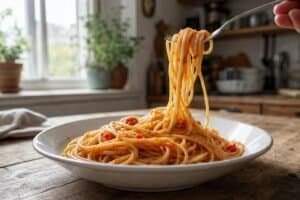
- Drizzling and finishing: where Tuscan EVOO really shines — raw over soups, grilled bread, white beans, pasta
- Sautéing at medium heat: perfectly safe; flavors infuse the dish beautifully
- Roasting below 200°C / 390°F: works well; polyphenols may reduce somewhat but oil remains stable
- High-heat frying above 210°C: better to use a refined oil; save your premium Tuscan bottle for finishing
The freshness factor is just as important for cooking as it is for tasting. An old or poorly stored EVOO will smoke sooner and taste bitter in an unpleasant way. This is why harvest date is the single most useful number on any label.
Freshly Pressed Tuscan EVOO: The Pasquini Range
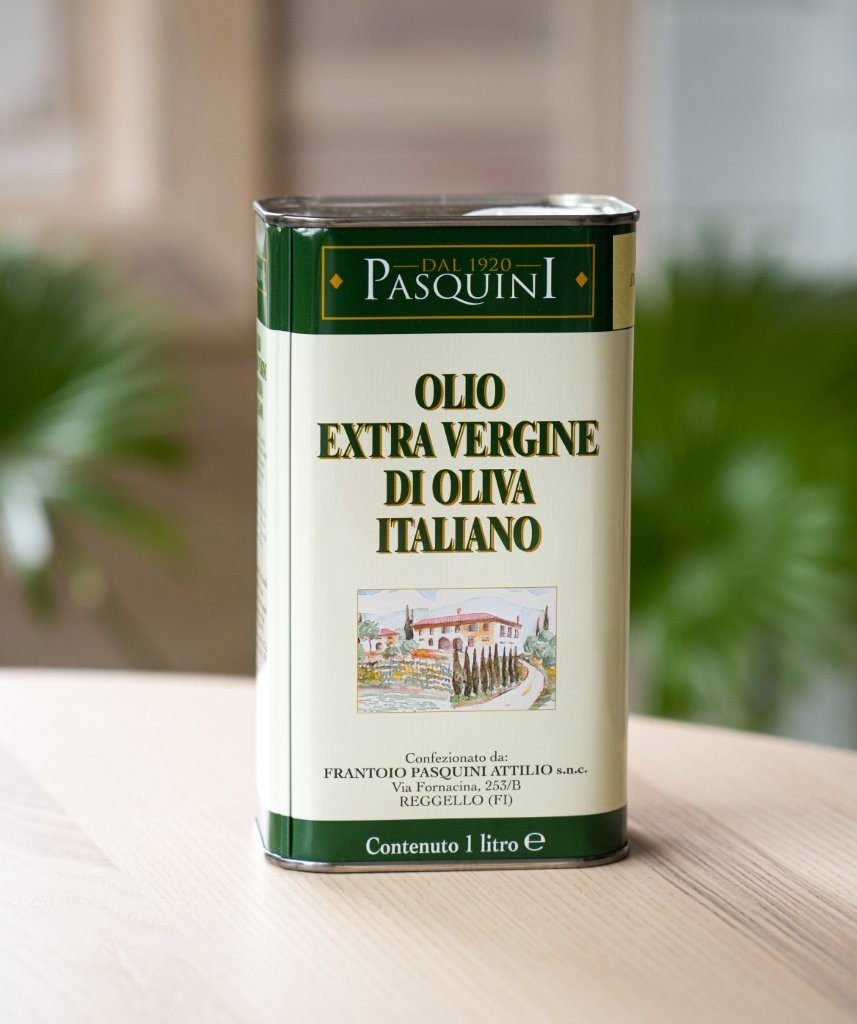
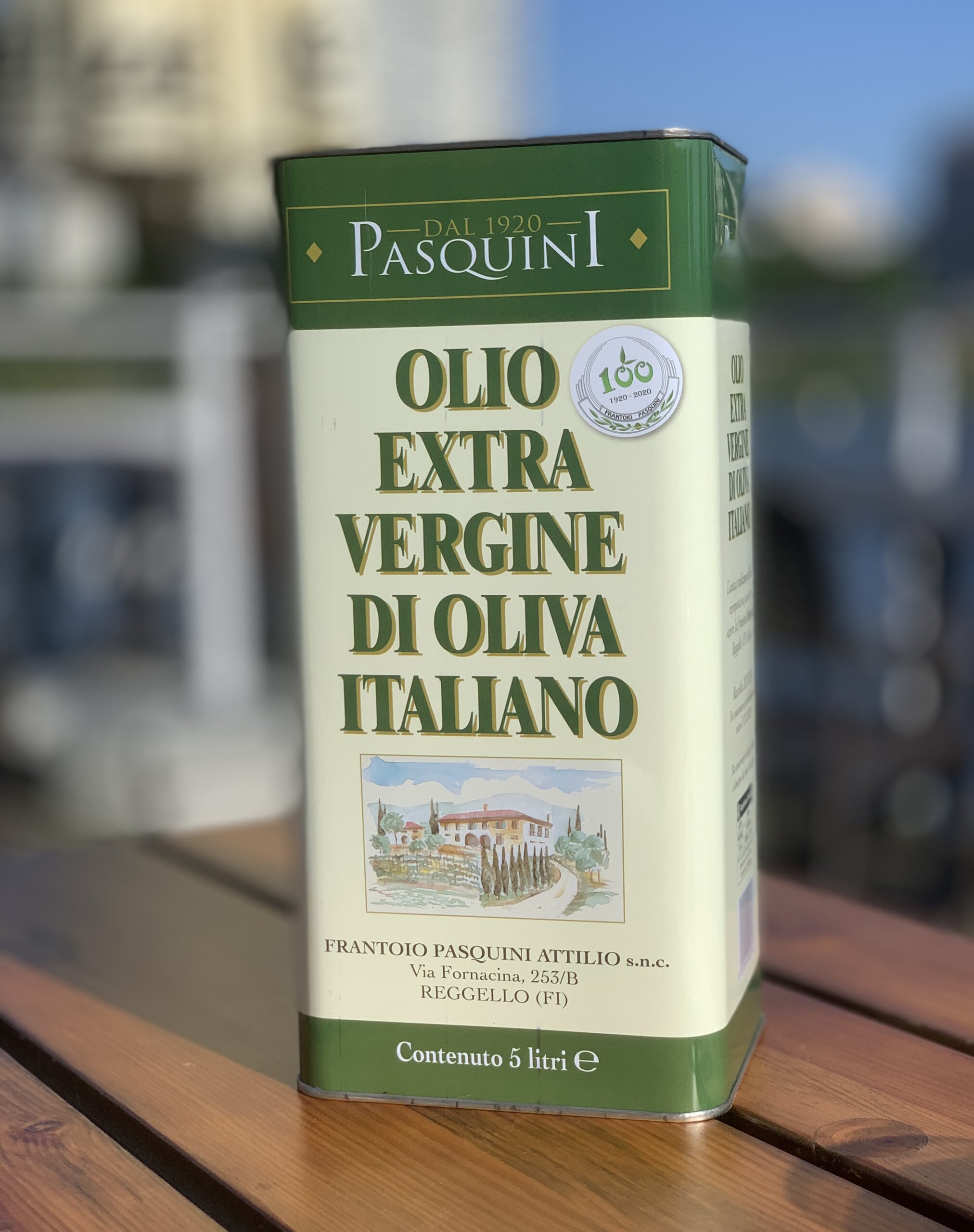
If you’re looking for a freshly pressed Tuscan extra virgin olive oil you can count on, the Pasquini range offers a straightforward answer. Each oil in the line is produced from the 2025 harvest — meaning you’re getting the newest season’s oil, at peak polyphenol content and flavor, before time has a chance to dull either.
For everyday use, the 1L bottle is a practical starting point. If you cook with olive oil regularly — and once you go Tuscan, you will — the 3L or 5L formats offer better value without compromising freshness.

How to Store EVOO and Get the Most from Every Drop
Tuscan extra virgin olive oil — like all high-quality EVOO — is at its best in the first year after harvest. After that, polyphenols decline, flavors flatten, and the health-supportive properties associated with compounds like oleocanthal and oleuropein gradually diminish. Buying freshly pressed oil is only half the equation; how you store it matters just as much.
The enemies are light, heat, and air. Dark glass or metal tins are the best containers — they block UV exposure that degrades polyphenols. Keep the bottle away from the stovetop (heat accelerates oxidation), and seal it tightly after each use. A cool, dark cupboard is ideal.
Polyphenol levels above 300 mg/kg are associated with cardiovascular benefits recognized by the European Food Safety Authority — and research published in Harvard-affiliated journals suggests that even modest daily olive oil consumption (around 7 grams) may support long-term cognitive health. These benefits are most reliably linked to genuine extra virgin olive oil, where phenolic compounds remain intact.
- Store away from light in a dark cupboard or pantry — not on the counter
- Keep the lid tightly closed; air triggers oxidation quickly
- Avoid storing near the oven or other heat sources
- Use within 12 months of the harvest date printed on the label
- Buy sizes you’ll realistically finish within a few months of opening
When it comes to choosing a genuinely good Tuscan extra virgin olive oil, the label is your most honest guide. Look for a harvest year, a low acidity figure, cold-extraction confirmation, and — ideally — a named estate or producer. Those four details together tell you more than any marketing claim on the front of the bottle. For a reliable option from the 2025 harvest, the IOC quality standards that define true EVOO are exactly what a freshly pressed, transparently labelled oil like Pasquini’s is built to meet.
Frequently Asked Questions
Q: Can I cook with Tuscan extra virgin olive oil, or is it only for drizzling?
A: You can absolutely cook with it — EVOO handles everyday sautéing and roasting comfortably, with a smoke point of 177–210°C. Save your best bottle for finishing dishes raw, where the flavor and polyphenols are most noticeable.
Q: What does “freshly pressed” mean on an olive oil label, and why does it matter?
A: It indicates the oil is from the most recent harvest season. Freshly pressed EVOO contains the highest levels of polyphenols and flavor compounds — both decline over time, which is why harvest year is the most important date on any quality olive oil label.
Q: What is the difference between IGP Toscano and DOP on a Tuscan olive oil?
A: IGP (since 1997) requires pressing in Tuscany but allows olives from other regions; DOP (such as Chianti Classico DOP, awarded since 2000) requires both the olives and the full production process to originate within the certified zone — a stricter and more transparent guarantee of origin.