
Pesto Pasta the Italian Way: Pesto alla Genovese, Pesto Calabrese, and How to Get It Right Every Time
A great pesto pasta Italian recipe starts long before the pot of water boils — it begins with understanding what pesto actually is, where it comes from, and why the small details make a real difference. According to Italia.it, Italy’s official tourism portal, the roots of pesto stretch all the way back to ancient Rome and a herb paste called moretum, though the recipe we recognise today took its definitive shape in 19th-century Genoa.
Whether you’re reaching for the fragrant green of pesto alla genovese or the bold, smoky heat of pesto calabrese, this guide covers everything — the history, the ingredients, the best pasta shapes, the mistakes to avoid, and how to store leftovers properly.
Pesto alla Genovese: The Green Original from Liguria
Pesto alla genovese is the one most people picture: vivid green, fragrant with fresh basil, silky with good olive oil. The classic recipe has its origins in Genoa, in the northern Italian region of Liguria, where gastronomist Giovanni Battista Ratto first documented it in writing in 1863 in La Cuciniera Genovese. It was not until the 18th century that trade routes introduced Liguria to basil widely, making pesto genovese a true regional staple.
In 2005 the Consortium of Pesto Genovese formally defined the official recipe, outlining a number of protected designations to safeguard traditional preparation. The seven required ingredients are: coarse salt, Basilico Genovese DOP (young Genovese basil), extra virgin olive oil (preferably from the Ligurian Riviera), Parmigiano Reggiano DOP or Grana Padano, Pecorino Sardo or Fiore Sardo, Italian pine nuts, and garlic — specifically mild local varieties like Vessalico.
Pesto alla genovese is DOP-protected, meaning that in Italy and Europe, only sauces made in this precise way, with these ingredients, can legally call themselves pesto genovese. That said, home cooks everywhere make wonderful versions with what’s available — and that’s absolutely fine.
Why the mortar still matters
The word “pesto” comes from the Italian verb pestare, meaning “to crush,” referencing the traditional method of preparation. Ingredients were pounded in a marble mortar with a wooden pestle, which releases oils and aromas more gently than a blade. A food processor works perfectly well for everyday use — just pulse in short bursts and keep everything cold to preserve the bright green colour.

Choosing the Right Pasta Shape — It Genuinely Matters
Most recipes will tell you to use any pasta you like. In practice, the shape changes how the sauce clings and how the dish feels in your mouth — so it’s worth thinking about before you open the cupboard.
In Liguria, the most traditional pairing for pesto alla genovese is trofie al pesto. Trofie originated in the small fishing village of Sori, east of Genoa, and is traditionally made by hand into a thin, twisted shape using semolina, water, and salt. The twisted surface catches the sauce beautifully.
Beyond trofie, here are the shapes that genuinely work well with pesto:
- Trofie — the classic Ligurian partner; every twist grabs the sauce
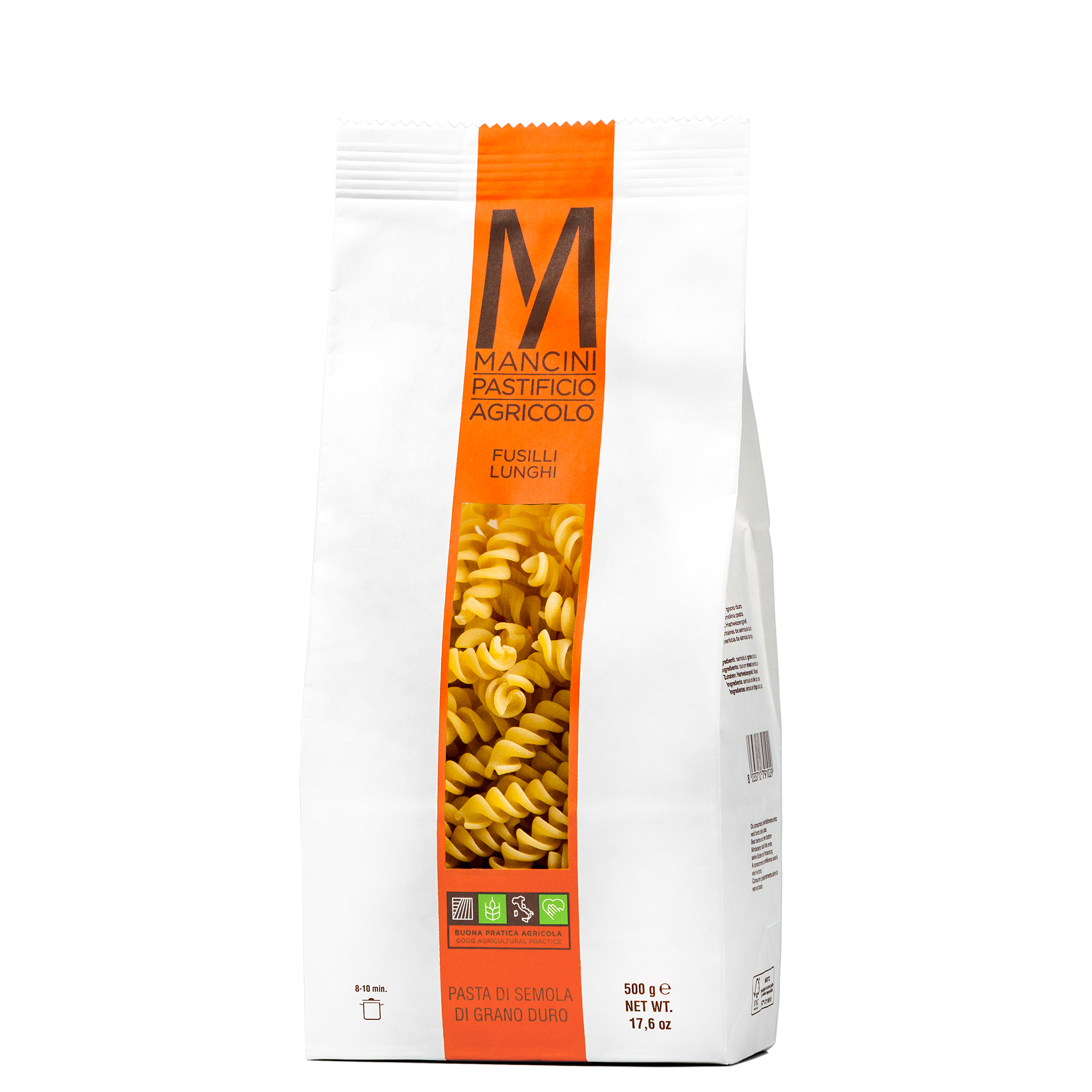
- Fusilli lunghi — long, spiralled pasta with excellent sauce-holding surface area
- Linguine or spaghetti — great with a slightly looser, more oily pesto
- Trofie-style short shapes (penne, rigatoni) — work especially well with red pesto calabrese
- Lasagne sheets — pesto alla genovese makes a stunning layered bake
For a deep dive into how different pasta shapes pair with Italian sauces, the guide on Italian pasta sauces and how to choose them is well worth a read before your next shopping trip.
Pesto Calabrese: The Spicy Red Sister from the South
If pesto alla genovese is the fresh, herb-forward classic, pesto alla calabrese is a rich, creamy, and slightly spicy red pepper pesto. Unlike the well-known green version from Genoa, this one is made with sweet red peppers, fresh basil, pecorino cheese, and a touch of Calabrian chili paste for its signature heat.
Pesto rosso calabrese is a thick, spicy red sauce made from sun-dried tomatoes, Calabrian chili peppers, toasted nuts, garlic, Pecorino or Parmesan cheese, and extra virgin olive oil — the fiery southern answer to Ligurian basil pesto. According to Wikipedia’s entry on pesto, pesto calabrese is distinctly characterised by its use of (grilled) peppers and black pepper, giving it an assertively spicy profile that sets it apart from every green variety.
Some variations include creamy ricotta cheese for a smooth texture, while others keep it sharper with just pecorino romano DOP. Both approaches are authentic — it comes down to whether you want something creamier or punchier on the plate.
A few things that make pesto calabrese especially versatile:
- Works equally well as a pasta sauce, bruschetta spread, or pizza base
- Pairs beautifully with grilled meats and vegetables
- Heat level is easy to dial up or down by adjusting the chili
- Keeps well refrigerated for up to a week, or frozen for up to 3 months
Curious about the full landscape of Italian pesto varieties? The article on Italian pesto pasta — a complete guide to styles and serving covers everything from Sicilian pesto trapanese to pesto di rucola.
Common mistakes — and how to avoid them
Even a great pesto can be let down by a few easy-to-avoid errors. Here are the ones that come up most often:
- Heating green pesto in the pan — it kills the colour and turns the basil bitter. Always mix pesto into warm pasta off the heat
- Skipping pasta water — a ladleful of starchy cooking water is what makes the sauce silky and creamy, not greasy
- Over-processing in a blender — too long at high speed warms the basil and oxidises it. Short pulses, cold bowl
- Using the wrong oil — a delicate, fruity extra virgin olive oil keeps green pesto bright; a heavy or bitter oil can overpower the basil
Great Products for Pesto Pasta at Home
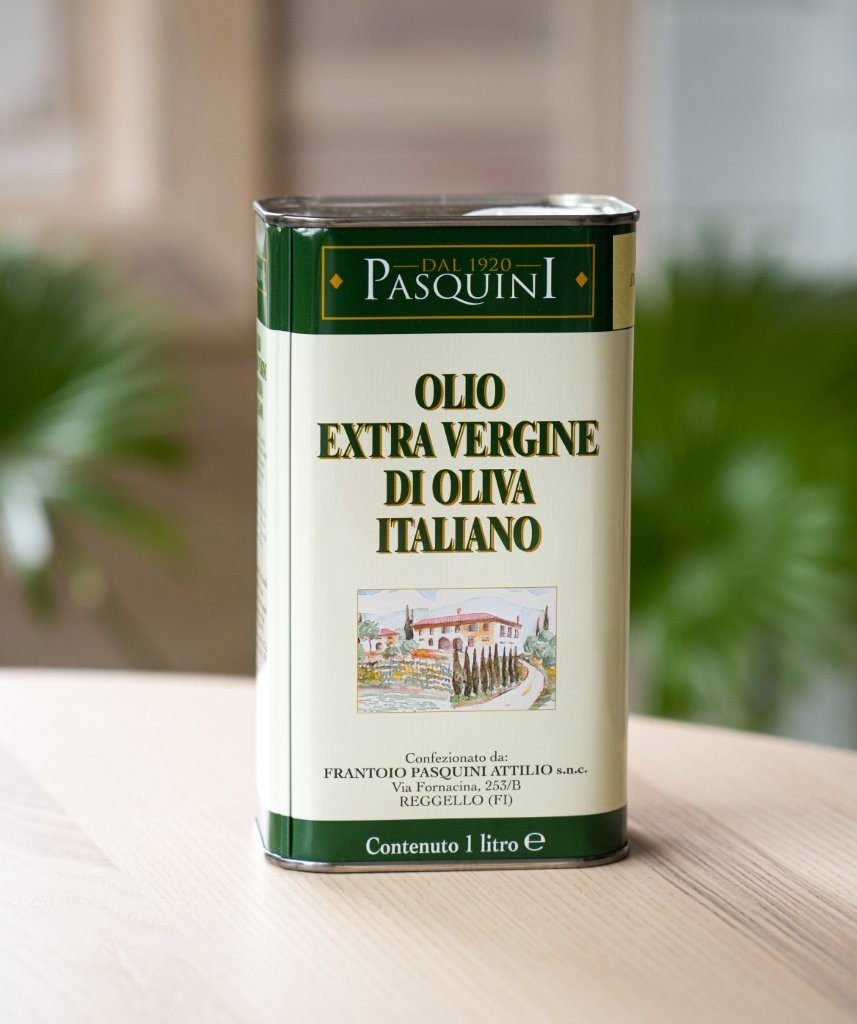
Getting the ingredients right makes a genuine difference. For pesto pasta, that means pasta with enough surface texture to hold the sauce, an olive oil that’s fresh and flavourful, and a red pesto worth opening.
Here are three products that work particularly well together for both green and red pesto pasta dishes:
Storing Pesto — and Making It Last
Pesto alla genovese is best made fresh, but it keeps well if you store it correctly. Pour a thin layer of extra virgin olive oil over the surface before refrigerating — this creates a seal that slows oxidation and keeps the green colour intact. Stored this way, it will last 4–5 days in the fridge.
For longer storage, freeze pesto in an ice cube tray, then transfer the cubes to a bag. Each cube is roughly one portion — drop one directly into your hot drained pasta with a splash of cooking water, and it loosens into a beautiful sauce in seconds. You can also freeze pesto calabrese in small portions so you have it ready for other meals.
Leftover pesto pasta is best eaten the same day, as pasta tends to absorb the oil overnight and the texture changes. If you do refrigerate it, add a little fresh olive oil when reheating and toss gently — never microwave green pesto pasta at high heat.
A good pesto pasta Italian recipe is really a system: the right pasta shape, a quality sauce (homemade or a well-chosen jar), a splash of pasta water, and the patience not to overheat the pesto. Get those four things right, and you’re already most of the way there. For more on the full range of Italian pesto types and how to use each one, this detailed guide to pesto alla genovese goes deep on the traditional technique and variations.
Najczęściej zadawane pytania
Q: What is the best pasta shape for pesto alla genovese?
A: Trofie is the traditional Ligurian choice, but fusilli lunghi and linguine also work very well — their surface texture holds the sauce without the pesto pooling at the bottom of the bowl.
Q: Can I heat pesto in the pan like a regular pasta sauce?
A: It’s best not to — especially with green pesto. High heat turns basil bitter and dull. Mix pesto into your drained pasta off the heat, using a little pasta cooking water to loosen it into a creamy sauce.
Q: How long does homemade pesto keep in the fridge?
A: Covered with a thin layer of extra virgin olive oil, homemade pesto alla genovese keeps for around 4–5 days. Pesto calabrese, with its cooked base, may keep slightly longer — up to a week refrigerated.